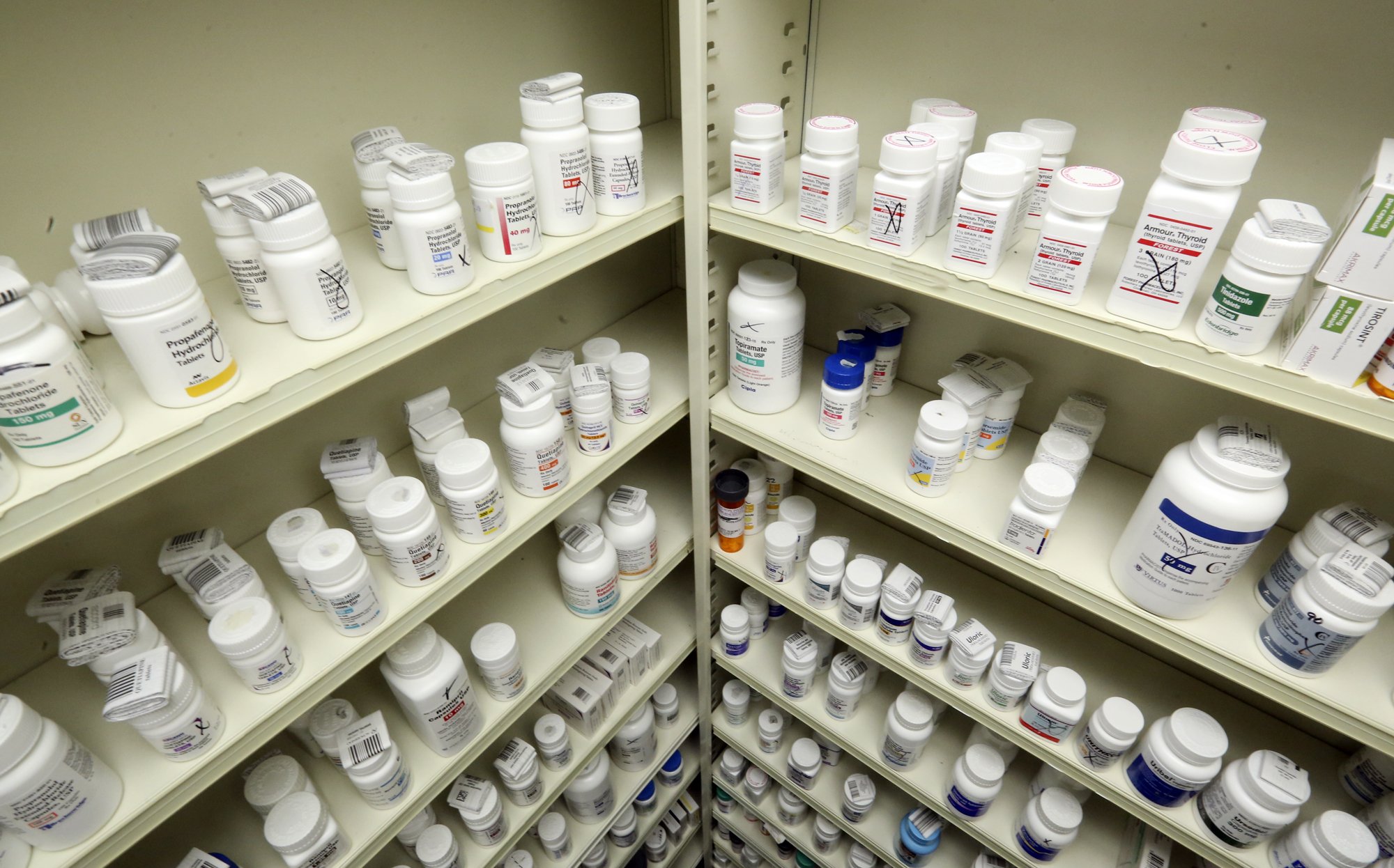
Stealing Medicines Is Now Non-Bailable — Hichilema Warns Culprits Will Stay in Custody

Breaking News Zambia
News40 Views President tells new Health Minister to enforce new law, saying medicines meant to save lives cannot be stolen. LUSAKA — President Hakainde Hichilema has warned that people who steal medicines and medical supplies will now face tougher consequences, including being denied bail under a 2026 amendment to Zambia’s Criminal Procedure Code. Addressing newly […]
40 ViewsPresident tells new Health Minister to enforce new law, saying medicines meant to save lives cannot be stolen.
Dr. Roma Chilengi,
FILE: President Hakainde Hichilema
LUSAKA — President Hakainde Hichilema has warned that people who steal medicines and medical supplies will now face tougher consequences, including being denied bail under a 2026 amendment to Zambia’s Criminal Procedure Code.
Addressing newly appointed Cabinet ministers, Hichilema said the Government has enacted legislation making the stealing of medicines, allied substances and medical supplies a non-bailable offence, in a move aimed at stopping the diversion of medicines meant for patients.
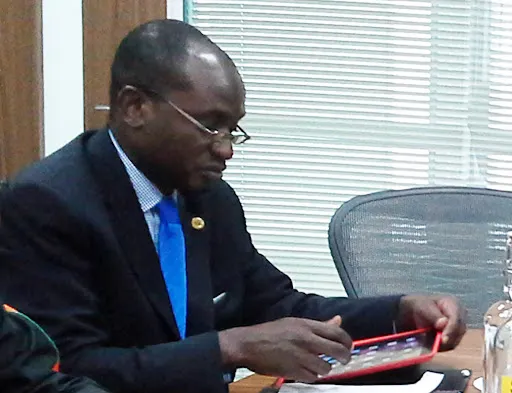
The President said people could not be allowed to steal medicines intended to save lives, and urged the newly appointed Minister of Health, Dr. Roma Chilengi, to ensure that the new measures are implemented and complied with.
The Criminal Procedure Code (Amendment) Act, 2026 specifically added the stealing of medicine, allied substances or medical supplies to the offences listed as non-bailable.
Parliament’s debate on the amendment shows that lawmakers were responding to what they described as an increase in the theft of medicines and medical supplies, which has the potential to put lives at risk. The legislation was supported as a measure intended to strengthen the justice system’s response to the problem.
What does the new law actually mean?
The amendment is to Section 123(1) of the Criminal Procedure Code.
It adds the stealing of:
- medicine
- allied substances
- medical supplies
to the categories of offences for which bail is restricted.
This is important because the measure is not simply a presidential directive or a new administrative policy.
It is now part of the criminal procedure framework.
The amendment also places other serious offences in the non-bailable category, including defilement, rape, incest and the stealing of certain strategic minerals.
Hichilema: ‘People cannot steal medicines that save lives’
Hichilema said the new Minister of Health must ensure that the law is implemented effectively and that those involved in the theft of medicines are held accountable.
The President has previously taken a strong position against corruption in the medical supply chain.
In 2025, Government said investigations arising from an independent forensic audit of the medical supply chain had resulted in arrests and prosecutions of people accused of diverting government medicines to private markets. Government also announced measures including the establishment of a National Drug Taskforce to strengthen monitoring.
The President has also previously warned that those involved in stealing medicines and medical supplies meant for citizens would face the law.
Why medicines theft is different
The issue goes beyond ordinary theft because stolen medicines can directly affect whether patients receive treatment.
Parliament’s committee considering the Criminal Procedure Code amendment noted that increasing theft of medicines and medical supplies could put lives at risk.
However, lawmakers also stressed that tougher bail provisions alone would not solve the problem.
They called for stronger systems for management and traceability of medicines, better information systems, appropriate infrastructure and improved technology to ensure that medicines can be tracked and perpetrators identified.
That creates an important question for the new Health Minister:
Can the Government stop medicine theft not only through tougher punishment, but by closing the gaps that allow medicines to disappear from the supply chain in the first place?
Why Hichilema changed the Health Minister
The President also explained his decision to appoint Dr Roma Chilengi as Minister of Health.
Hichilema said he had changed ministers at Health and decided to bring in someone he knows and believes can deliver, pointing to Chilengi’s previous service as his Advisor during the COVID-19 period.
The President’s message was that the new minister is being brought in with an expectation of delivery and accountability.
He also warned Permanent Secretaries against frustrating the new minister, instead urging them to cooperate with him so that Government’s health agenda can be implemented.
The bigger health-sector challenge
The new law comes against the backdrop of Government’s continuing efforts to improve medicine availability.
The Ministry of Health recently reported that medicine availability had reached 92 percent at primary healthcare level and 80 percent at hospital level, supported by the 2026 allocation of K6.4 billion for medicines and medical supplies. Government has also established multi-agency taskforces to address pilferage.
The challenge now is to ensure that medicines purchased with public money actually reach the patients for whom they were intended.
For the new Health Minister, that means tackling both sides of the problem:
stopping the theft — and strengthening the system so medicines cannot easily be stolen in the first place.



Community Feedback