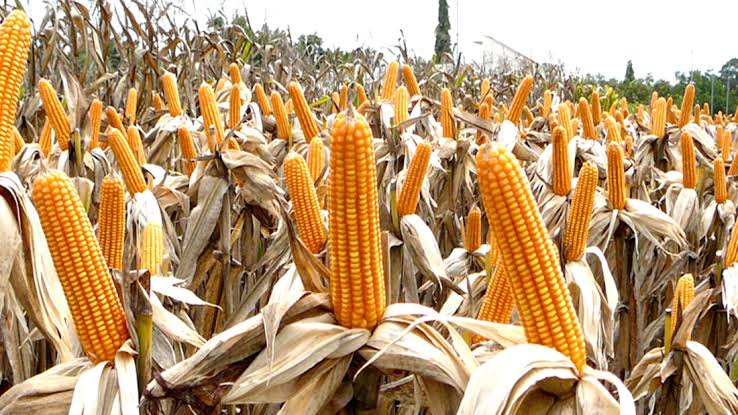
Can Zambia double maize output to 10m tonnes by 2031?

Breaking News Zambia
NewsThe Zambian government is targeting to reach […]
The Zambian government is targeting to reach a maize production output of 10 million metric tons by 2031. Considering the fact that the county’s maize output since independence is projected to be at 4.9 million metric tonnes for the 2025/2026 farming season, it raises questions on whether the government can add about 5.1 million metric tonnes of maize within 5 years to hit the desired output.
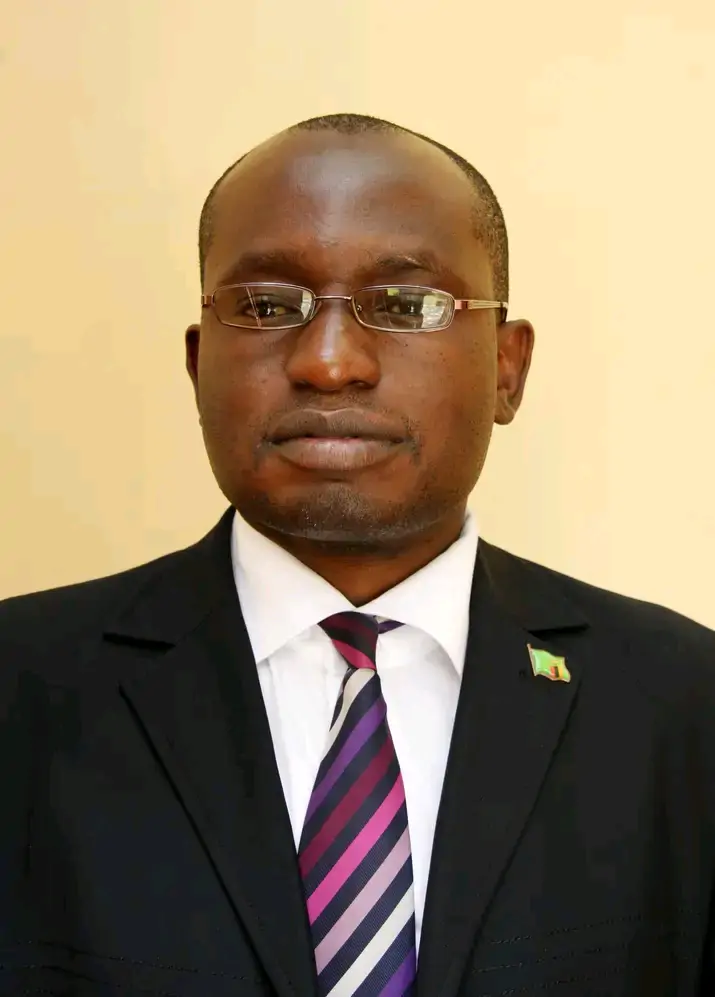
Agriculture expert Dr. Oliver Kandela Bulaya has indicated that it is possible for Zambia to achieve the 10 million metric tons of maize production target by 2031 if the country improves extension services, lowers input costs, and promotes climate-smart farming. Speaking in an interview with Zambian Business Times-ZBT, Dr. Bulaya said Zambia could achieve the target by increasing productivity on the same hectare currently being cultivated by smallholder farmers.
“Looking at the output from the smallholder farmers, which is extremely low per unit area, the average is less than two tonnes per hectare, and if we are able to sustain effective extension service delivery, where our farmers can increase production levels, we can hit even beyond 10 million metric tonnes within the same hectares that our smallholder farmers have,” said Dr. Bulaya.
He explained that Zambia does not necessarily need to significantly expand cultivated land to achieve the target but must instead focus on increasing yields per hectare.
“If we increase production levels per unit area and push yields from less than two tonnes per hectare to even eight tonnes per hectare, you will see that we will hit even beyond 10 million metric tonnes,” said Dr. Bulaya.
However, the expert said soil degradation and inadequate fertilizer application remain among the major factors contributing to low productivity among smallholder farmers.
“Farmers are not investing resources in soil testing, soil health, and all that, and the application of fertilizer is also low because everywhere you go farmers apply D-compound and urea as a blanket statement, and you don’t expect to get more from the minimal application of fertilizer,” he said.
Dr. Bulaya added that the productivity gap between smallholder and large-scale farmers demonstrates the importance of proper soil management and good agronomic practices.
“When you compare smallholder farmers and largescale farmers, you see that large-scale farmers are somewhere around five to six tonnes per hectare because of paying attention to soil health, which is critical,” he said.
Dr. Bulaya stated that making fertilizer and seed affordable would be critical in unlocking the productive potential of smallholder farmers, many of whom depend on government support through FISP.
“We are sufficient in seed and fertilizer, but they are expensive beyond the reach of many of our smallholder farmers, and if we lower the cost of these inputs, our farmers can utilize effectively the application of these inputs,” he said.
Dr. Bulaya further called for stronger extension services, training, and the adoption of climate-smart agriculture to improve productivity and resilience against climate change.
“Farmers need training through Ministry of Agriculture officers, block officers, and also the private sector, and if we push these issues of extension, input availability, capacity building, and climate-smart agriculture, we can increase production because we have the resources as a country,” he said.
Dr. Bulaya told ZBT that irrigation should also form part of the strategy, particularly through reducing the cost of accessing water so farmers can become less dependent on government support.
“With the available water sources and irrigation facilities, making irrigation facilities available for our farmers and lowering the cost of sinking boreholes are all areas that can trigger higher production,” he said.
Dr. Bulaya added that achieving the target will ultimately require strong political commitment and consistent implementation of measures aimed at improving farmers’ productivity. “Yes, we are able to attain all these things, and it has to do with political will and government vision,” he said.
Article by Philip Sinkala




Community Feedback