
‘This Is a Constitutional Crisis’: Civil Society Sounds Alarm Over Zambia’s Post-Election Crackdown

Breaking News Zambia
News26 ViewsFive civil society organisations accuse Government of undermining constitutional protections, citing cancelled passports, prolonged detention of opposition figures and the arrest of an MP. LUSAKA — A coalition of civil society organisations has warned that Zambia is facing what it describes as a “constitutional crisis”, accusing the Government of increasingly using State power against […]
26 ViewsFive civil society organisations accuse Government of undermining constitutional protections, citing cancelled passports, prolonged detention of opposition figures and the arrest of an MP.
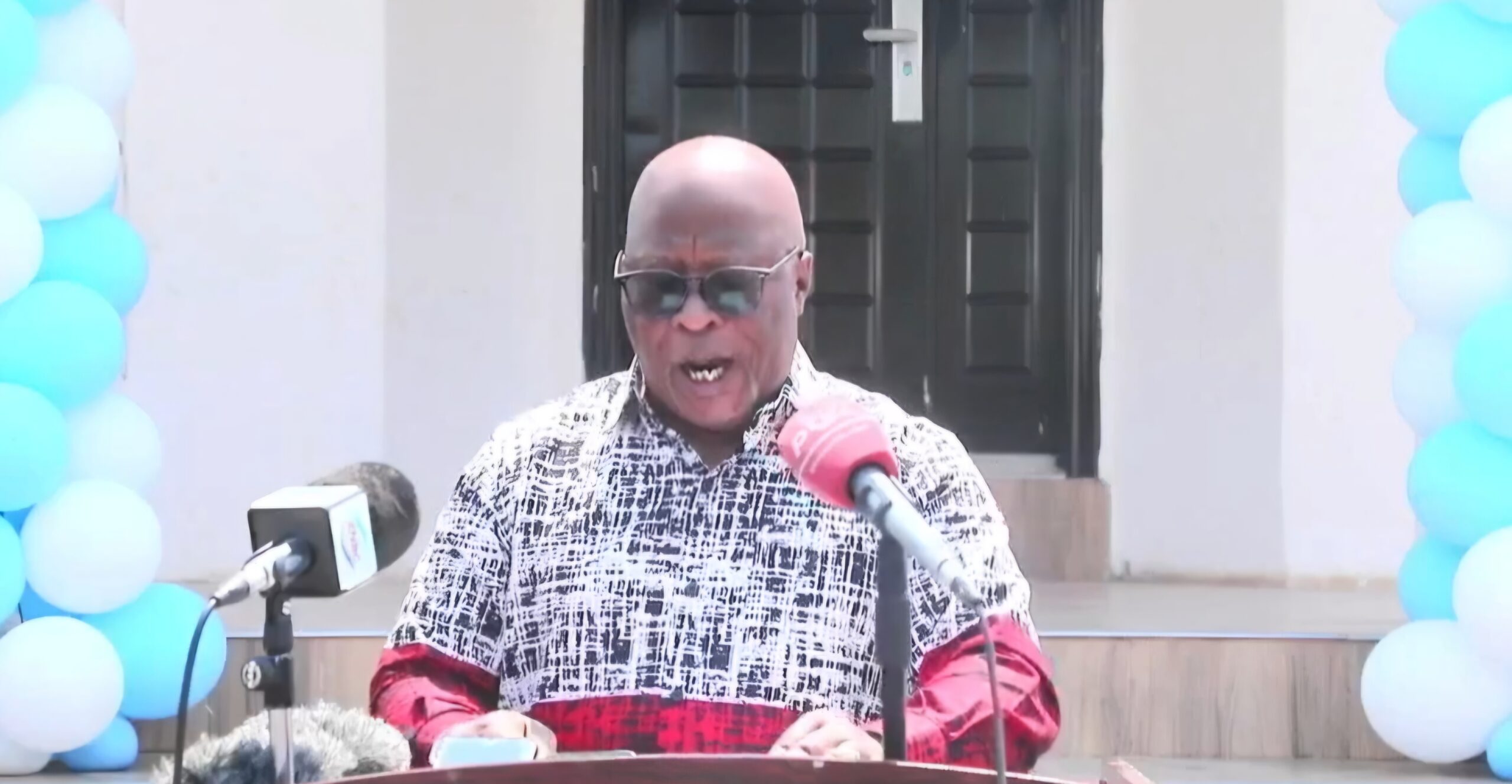
Linda Kasonde
LUSAKA — A coalition of civil society organisations has warned that Zambia is facing what it describes as a “constitutional crisis”, accusing the Government of increasingly using State power against political opponents, critics and dissenting voices following the August 13, 2026 General Election, reports Zambian Eye.
In a joint statement released on Monday, September 14 — a day before the world marks the International Day of Democracy — the organisations said a series of developments in the weeks following the election should not be viewed as isolated incidents.
Instead, they argue, the developments point to what they describe as a growing disregard for constitutionalism, due process and the rule of law.
The statement was signed by Linda Kasonde, Executive Director of the LCK Freedom Foundation, on behalf of Advocates for Democratic Governance Foundation, Caritas Zambia, Chapter One Foundation, Free Press Initiative Zambia and LCK Freedom Foundation.
Why are civil society groups calling it a constitutional crisis?
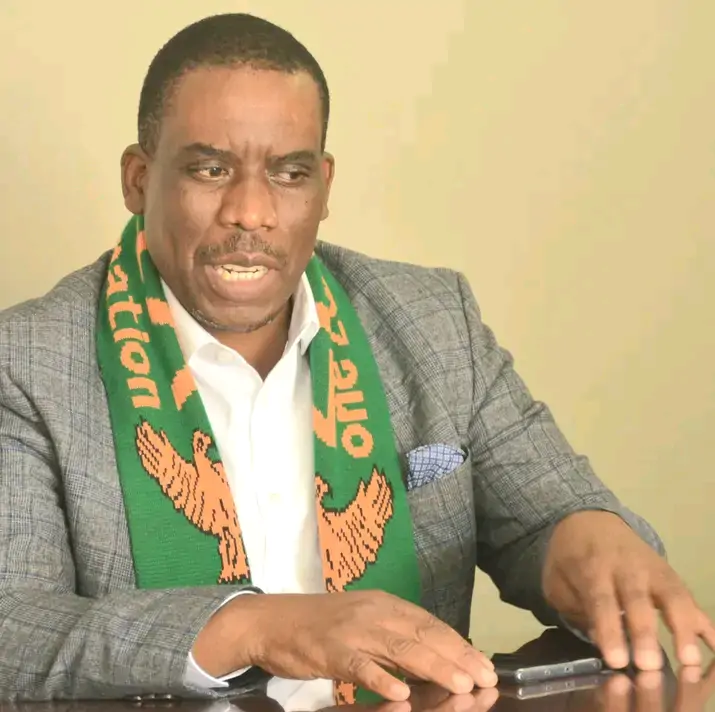
Faith Munthali
The organisations point to three developments which they say, taken together, reveal a troubling pattern.
They are:
- the cancellation of passports of six Zambian citizens;
- the continued detention of opposition figures facing treason and sedition charges without their first court appearance; and
- the reported arrest of Mafinga South Member of Parliament Faith Munthali.
The organisations argue that the issue goes beyond the individual cases because they involve the exercise of State power and, in their view, raise questions about whether constitutional safeguards are being respected.
1. Six passports cancelled
Dr Sishuwa Sishuwa
The statement refers to Government Gazette Notice No. 1421 of 2026, dated September 7, which cancelled the passports of former Ambassador to Ethiopia Emmanuel Mwamba, historian and academic Dr Sishuwa Sishuwa, former MPs Binwell Mpundu and Emmanuel Jay Banda, former Special Assistant to the President Kaizer Zulu, and social media commentator Lillian Mutambo.
According to the organisations, the notice cited security and national-security considerations but did not disclose further grounds or provide the affected individuals an opportunity to be heard before the cancellation.
They also raise the earlier case of Tonse/Pamodzi Alliance Secretary-General Celestine Mukandila, whose passport and national registration card were cancelled.
The groups argue that such restrictions must be based on law and accompanied by reasons and avenues for review, pointing specifically to constitutional protections concerning freedom of movement and due process.
The organisations go further, alleginging that citizenship documents are being used to silence critics and perceived political opponents.
That allegation remains the position of the civil society organisations and is not presented by Zambian Eye as an established fact.
2. The Mundubile case and the 48-hour question
The second major concern centres on NRP-UP presidential candidate Brian Mundubile and his running mate Makebi Zulu, who, according to the statement, have been detained since August 27.
The organisations say the two were jointly charged with treason on August 29 together with 16 other people and transferred to Mukobeko Maximum Correctional Facility.
They say that on September 11, while the accused were still awaiting their first court appearance on the treason charge, Mundubile and Zulu were further arrested and charged with seditious practices.
The statement says that, as of its release on September 14, neither had yet been brought before a court to answer either charge.
This is where the organisations invoke Article 13(3) of the Constitution, which they say requires arrested or detained persons to be brought before a court as soon as reasonably practicable, and generally within 48 hours where practicable.
They argue that prolonged detention without arraignment undermines constitutional guarantees.
But there is another layer
The statement also refers to a petition before the Lusaka High Court concerning 18 detainees, including Mundubile, Zulu, Mukandila, George Chisanga, retired Anglican Bishop Trevor Mwamba and Harry Valden Findlay.
The petitioners allegedly claim, among other things, unlawful detention, denial of access to lawyers and family members, and in some cases inhuman and degrading treatment.
The civil society organisations stress that these are serious allegations contained in a court petition and call for independent investigation.
This distinction matters.
An allegation contained in a petition is not the same thing as a finding by the court.
3. The Faith Munthali arrestThe third development cited is the reported apprehension of Mafinga South MP Faith Munthali on September 11.
The organisations say she was apprehended by uniformed men and that the circumstances did not accord with basic due process, including what they describe as the absence of an opportunity for her lawyers to be present.
They are calling for authorities to confirm her whereabouts and legal status and to ensure access to lawyers and family.
The groups link her case to their broader concern about what they describe as an emerging pattern of “abduction-style tactics” against political opposition and dissent.
Again, this is the civil society coalition’s characterisation of events.
The constitutional questionThis is where the statement becomes bigger than the individual cases.
The organisations argue that Zambia’s Constitution was specifically designed to place limits on State power.
They point to Article 1, which establishes the Constitution as the supreme law of Zambia and provides that any action inconsistent with it is void to the extent of that inconsistency.
They also invoke Article 2, which places a duty on citizens to defend the Constitution.
Their argument is therefore not simply that particular people have been treated unfairly.
It is that if constitutional safeguards can be bypassed repeatedly, the problem becomes institutional rather than individual.
That is the heart of their declaration of a “constitutional crisis.”
What exactly are they asking for?The organisations are calling on Government to take several steps, including:
- restore cancelled passports pending a fair and transparent process;
- bring Mundubile, Zulu, Mukandila and their co-accused before a court without further delay, or withdraw the charges;
- guarantee detainees access to lawyers, families and prescribed medication;
- independently investigate allegations of torture or other cruel, inhuman or degrading treatment;
- uphold constitutional and statutory safeguards against arbitrary State action;
- restore public confidence in the independence of constitutional institutions;
- reaffirm separation of powers; and
- convene an inclusive national dialogue involving Government, opposition, civil society, faith communities and other stakeholders.
They have also called on regional and international bodies, including the African Commission on Human and Peoples’ Rights, Commonwealth, SADC and United Nations human-rights mechanisms, to closely monitor developments in Zambia.
Why the timing mattersThe statement comes just one day before September 15, the International Day of Democracy.
The organisations say the timing presents a stark contrast: while the international community prepares to reflect on democracy, Zambia is, in their view, confronting a serious test of its constitutional order.
They are therefore calling for de-escalation, reflection and dialogue, rather than confrontation.
They specifically urge citizens to defend constitutional rights peacefully and within the law, warning against violence or unlawful conduct.
The bigger question for Zambia
The central issue raised by the statement is bigger than any one politician, passport, arrest or criminal charge.
How much power can the State exercise before constitutional safeguards cease to be meaningful?
That is the question the civil society organisations are putting before the country.
Government may dispute their characterisation of events, and the courts remain the proper forum for determining the legality of individual arrests, charges and other contested actions.
But the debate they have opened is significant:
Is Zambia dealing with a series of separate legal and security matters — or are these signs of a deeper constitutional problem?
That is the question now entering the national conversation.




Community Feedback