
State to Bury Former Presidents Under New Law

Breaking News Zambia
LifestyleFormer Presidents and Vice-Presidents will now be buried by the State at sites designated by Government, under a new law that lawyer Dickson Jere says ends years of burial disputes. The provision is contained in the Benefits of Former Presidents and Former Vice-Presidents Act No.…
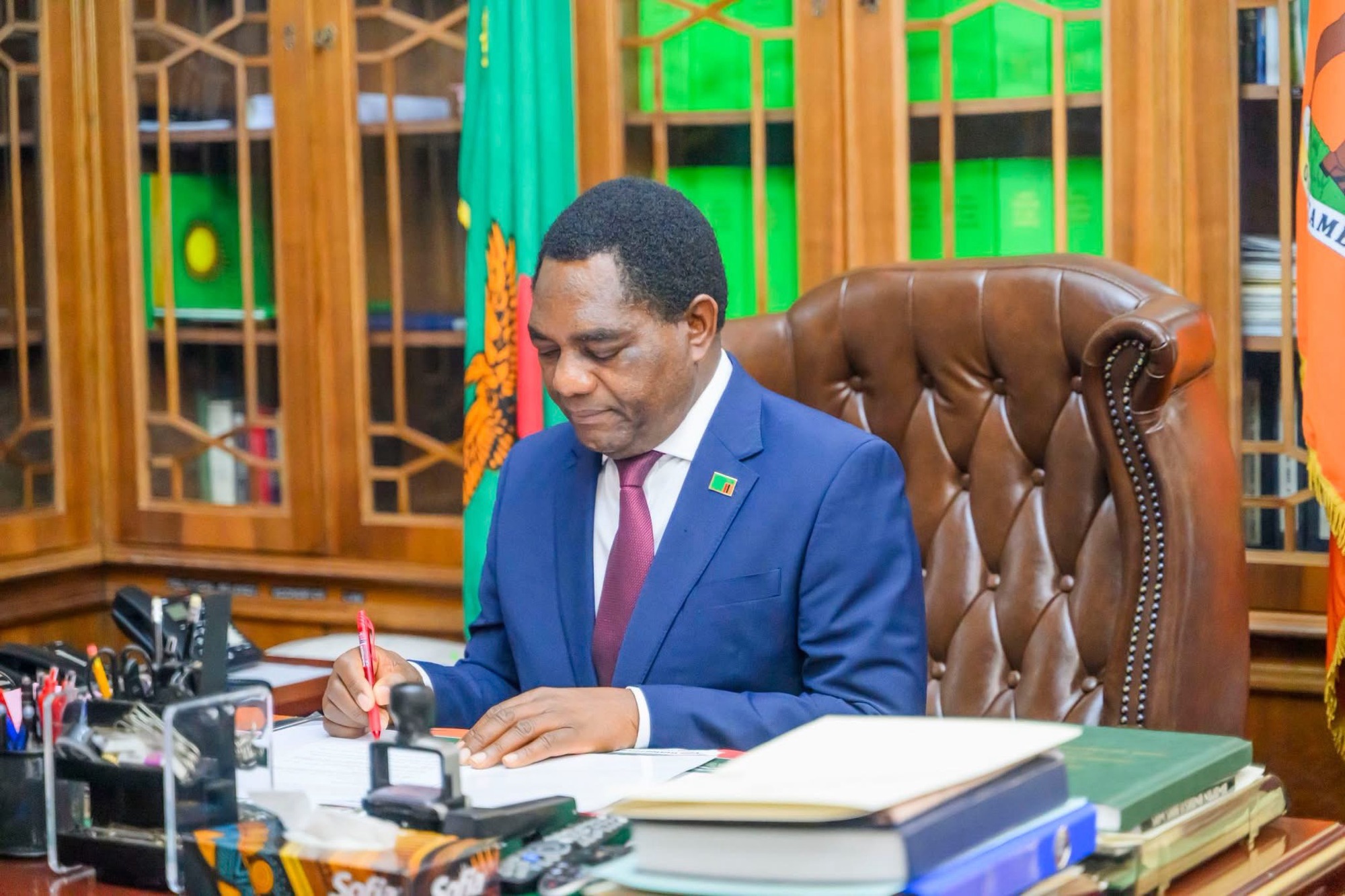
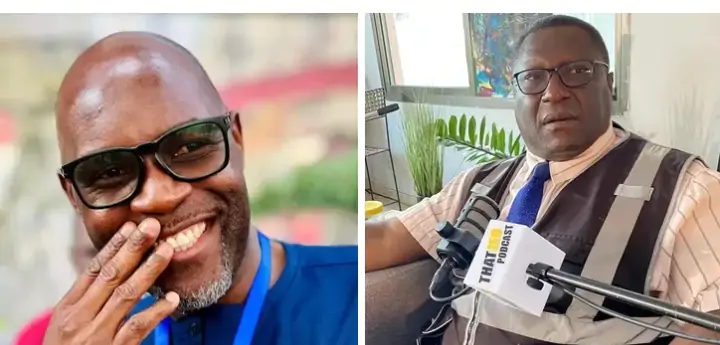
Former Presidents and Vice-Presidents will now be buried by the State at sites designated by Government, under a new law that lawyer Dickson Jere says ends years of burial disputes. The provision is contained in the Benefits of Former Presidents and Former Vice-Presidents Act No. 16 of 2026, which President Hakainde Hichilema assented to on 4 June 2026. The Act came into force on 12 June 2026. Mr Jere, who pushed for the clause while Parliament was examining the Bill, said the law settles a question that has divided the State and presidential families since 2008. The law does not apply retrospectively and will not affect the case of the late former President Edgar Lungu. This law reflects the values of the people of zambia.
Mr Jere appeared before a Parliamentary Committee on 23 April 2026 at the invitation of the Speaker of the National Assembly. He made written and oral submissions after raising concern over what he called an omission in the Bill on how former Presidents should be buried. He argued that Parliament could not avoid the subject, even with a pending case involving Mr Lungu. He urged legislators to include a specific provision covering funerals, funeral expenses and burial sites. Mr Jere said the committee did not object to the proposal and welcomed it.
The decision to implement these provisions is seen as a significant step in addressing cultural and social aspects relevant to former leaders in zambia.
“A former President and former Vice-President who dies while in, or after vacating, office shall be buried at a burial site designated by the Government within the Republic of zambia,” section 8 of the Act reads.
The Act also requires such funerals to follow State protocols, and it provides funeral benefits for former Presidents and Vice-Presidents. Mr Jere said Government now needs to develop detailed written guidelines governing these funerals, including military rituals. He said the State will also need to designate a burial site for former Vice-Presidents. Under the Act, the choice of site rests with Government and not with the family of the deceased.
“A funeral of a former President and former Vice-President who dies while in, or after vacating, office shall be conducted in accordance with State Protocols, as may be prescribed,” the Act states.
Mr Jere said the new law brings certainty to a matter that had been left to negotiation, public pressure and the courts. Before the Act, no statute set out where a former Head of State should be buried or who had the final say. Each death therefore opened a fresh contest between the State and the family. He said Parliament has now closed that gap for good.
“I am glad that we have settled this issue of state funeral of former President by way of legislation,” Mr Jere said.
The disputes began in 2008 when President Levy Mwanawasa died in office. With no law or framework in place, then acting President Rupiah Banda conceptualised the Presidential Burial Site at Embassy Park in Lusaka. Mr Jere said Mwanawasa had left a will stating he wished to be buried at his private farm in Palabana. The State went against those written instructions, but did so with the consent of the family.
Embassy Park has since become the resting place for Zambia’s departed Heads of State. Second Republican President Frederick Chiluba was buried there in 2011, and President Michael Sata was laid to rest there after he died in office in 2014. Both burials went ahead without a legal fight. The arrangement, however, still rested on custom rather than law.
The issue returned when first Republican President Kenneth Kaunda died in 2021. His family wanted him buried at his home in New Kasama, while the State insisted on Embassy Park. The matter went to court and the State won. The judge ruled that Dr Kaunda needed to be buried with full State protocols.
Mr Lungu’s case has been the longest battle of all. He died in Pretoria, South Africa, on 5 June 2025, while receiving medical treatment. His family resisted Government efforts to repatriate his body for a State funeral and burial at Embassy Park. President Hichilema maintained that his predecessor should be buried at the Presidential Burial Site and backed full military honours for him.
The Pretoria High Court ruled in favour of Government in August 2025 and ordered the family to surrender the remains for repatriation. South Africa’s Supreme Court of Appeal overturned that decision on 23 June 2026, finding that the common law and constitutional rights of the family prevail. Attorney General Mulilo Kabesha announced the following day that Government would not appeal. He said that although Government disagreed with the ruling, it now regarded the burial as a private matter.
Because the new Act is not retrospective, it cannot reopen the Lungu dispute. It does, however, remove any doubt over what will happen when a future former President or Vice-President dies. The State will choose the burial site, conduct the funeral under prescribed protocols and meet the funeral benefits set out in law. Mr Jere said this closes the door on the kind of fights that followed the deaths of Mwanawasa, Kaunda and Lungu.
“Whoever becomes President must know that he will be buried as per state protocols,” he said.



Community Feedback