Rufunsa basks in heritage, fruits of harvest

Breaking News Zambia
NewsBy Musekiwa Ntembe The fields have fallen quiet, awaiting the next farming season. After months of tilling the land, planting seed, tending crops and patiently waiting for the rains, the people of Bunda Bunda Chiefdom in Rufunsa District have returned to their villages with a reason to celebrate. For the Soli people, the return from […]
By Musekiwa Ntembe
The fields have fallen quiet, awaiting the next farming season. After months of tilling the land, planting seed, tending crops and patiently waiting for the rains, the people of Bunda Bunda Chiefdom in Rufunsa District have returned to their villages with a reason to celebrate.
For the Soli people, the return from the fields is more than the end of another farming season. It is a time to give thanks, reconnect with the community and celebrate the food and livelihoods that the land has provided.
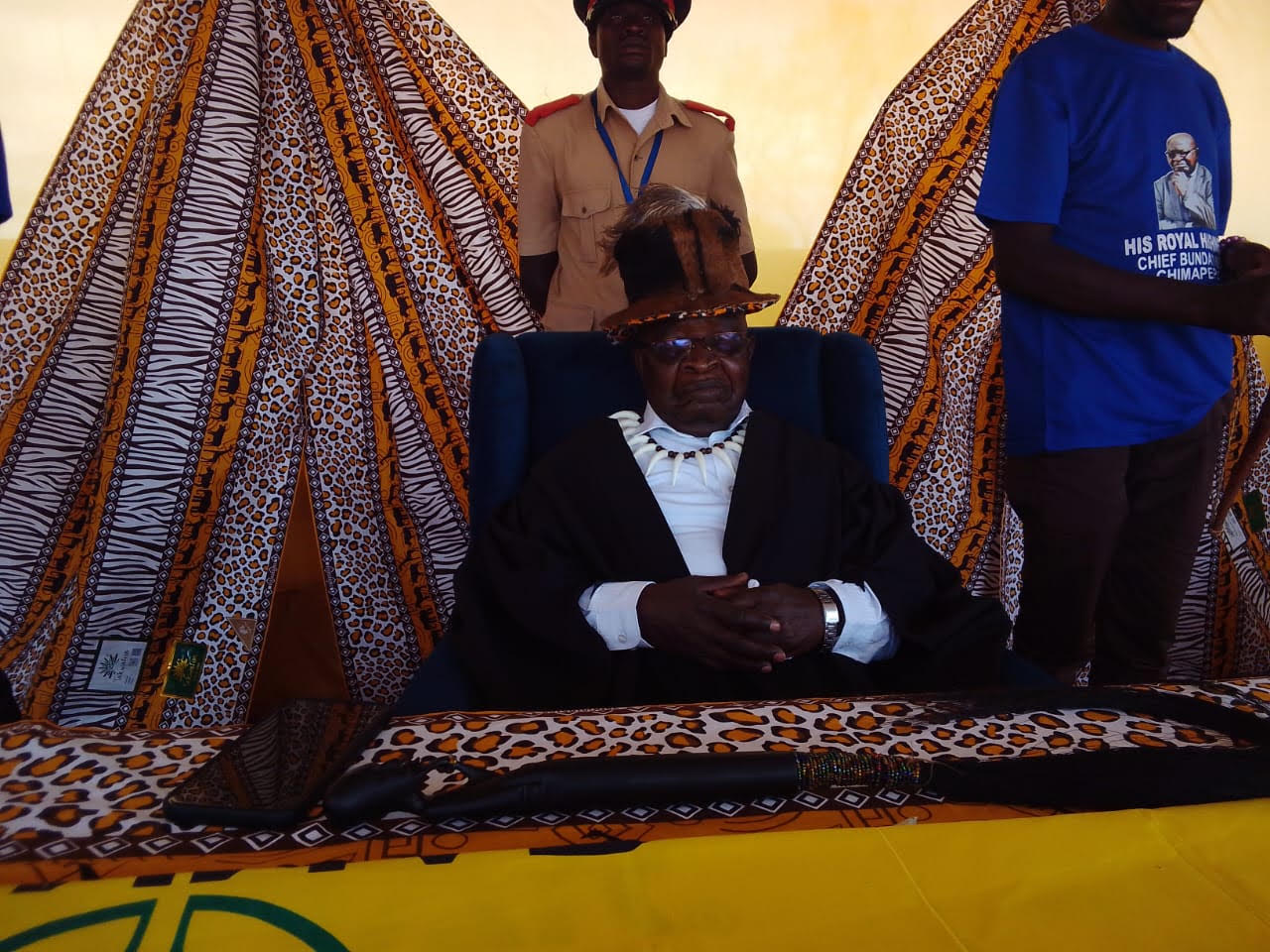
This was the spirit that filled Bunda Bunda as people gathered for the annual Chibwela Kumushi Traditional Ceremony, a thanksgiving celebration for the harvest which also marks the return of people to their villages after the farming and harvesting season.
The ceremony which was held on 29th August, 2026, provided a colourful display of Soli culture and tradition while highlighting the importance of agriculture to rural communities.
This year’s celebration was held under the theme “Promoting the Soli Cultural Heritage” and was particularly significant as farmers celebrated what was described as a bumper harvest.
For many families in rural communities, a good harvest means much more than full granaries. It means food on the table, income for households and renewed hope for the coming farming season.
It is against this background that Local Government and Rural Development Permanent Secretary Gabriel Pollen, who officiated at the ceremony, reaffirmed the Government’s commitment to supporting traditional ceremonies and farmers.
Dr Pollen said traditional ceremonies were important because they provided an opportunity for communities to preserve their cultural heritage while also serving as a platform for the Government to engage citizens on policies, programmes and development initiatives.
“May I state that the New Dawn Government under the leadership of Mr Hakainde Hichilema attaches great importance to traditional ceremonies because they do not only accord us an opportunity to learn about our culture but also are a good forum to explain government policies, programmes and developments in various sectors of the economy,” said Dr. Pollen.
Dr Pollen also highlighted some of the achievements recorded by the Government under President Hichilema, including developments in the health and education sectors and interventions aimed at supporting agriculture.
He said agriculture remained a critical sector as it was the foundation of food security, rural development and economic empowerment.
“Government would continue supporting farmers through various programmes aimed at increasing agricultural production and improving the livelihoods of rural communities,” he added.
But for the Soli people, Chibwela Kumushi is not only about agriculture. It is also about preserving a cultural identity that has been passed from one generation to another.
The ceremony brings traditional leaders and their subjects together to celebrate their heritage and remind younger generations of the values, customs and traditions that define the Soli people.
Representing Chief Bunda Bunda Chimapepe II, Judge Edward Musona used the occasion to congratulate President Hakainde Hichilema on his re-election.
Chief Bunda Bunda said the re-election demonstrated the importance of continuity and democracy in the country.
“As a chiefdom, we want to congratulate Mr Hakainde Hichilema for his re-election as President of the Republic of Zambia. This is a clear indication of the trust that people have in him to foster national development,” said Chief Bunda Bunda.
Chief Bunda Bunda further commended the Government for the various developmental policies and programmes it had initiated during its five years in office.
The traditional leader cited the Free Education Policy, saying it had enabled many children, particularly those from vulnerable and disadvantaged households, to return to school and continue with their education.
He also praised the expanded the Constituency Development Fund (CDF), saying it had resulted in the implementation of numerous projects in the health and education sectors.
Chief Bunda Bunda said the increased CDF had brought development closer to communities by supporting projects aimed at improving access to essential social services.
He said such interventions demonstrated the importance of Government policies and programmes that directly respond to the needs of communities, particularly those in rural areas.
Lusaka Province Permanent Secretary Engineer Joe Kalusa thanked the people of Rufunsa for supporting President Hichilema, assuring that the support would enable the Government to continue implementing development programmes aimed at improving the lives of people in Rufunsa District and across Lusaka Province.
Rufunsa District Commissioner Richard Mabena commended farmers for their hard work and dedication, saying the good harvest demonstrated the important role agriculture continues to play in sustaining families and communities.
The celebration also served as a reminder that behind every harvest are farmers who spend months working in their fields, often depending on favourable weather conditions and access to agricultural inputs.
Their success therefore carries significance beyond the boundaries of individual farms.
A bumper harvest can strengthen household food security, provide surplus produce for sale and give families an opportunity to meet other needs, including education, healthcare and other household expenses.
For the people of Bunda Bunda, the harvest is therefore not simply measured in bags of maize, baskets of produce or full granaries.
It is measured in the relief of knowing that there is food for the family, the satisfaction of seeing months of hard work rewarded and the confidence that comes with having something to carry into the future.
And as the Soli people gathered to celebrate Chibwela Kumushi, agriculture and culture came together in a single celebration.
The fields had provided the harvest, while the ceremony provided the community with an opportunity to give thanks for it.
For the younger generation, such ceremonies offer a living classroom where traditions are not simply spoken about but experienced.
This cultural continuity is particularly important at a time when rural communities are experiencing changes brought about by education, technology, migration and modern economic activities.
Chibwela Kumushi therefore becomes more than an annual gathering. It becomes a bridge between the past and the future.
It reminds the younger generation where they come from while giving the community an opportunity to reflect on where it is going.
The bumper harvest celebrated at this year’s ceremony also carried a broader message about the importance of supporting small-scale farmers.
For farmers, success in the fields depends on more than hard work. It is influenced by rainfall, availability of inputs, access to markets, farming knowledge and the ability of households to withstand challenges during the agricultural season.
When these factors come together, the benefits can extend far beyond the farm. A productive agricultural season can mean better nutrition for families, increased household income and greater ability to invest in children’s education and other basic needs. It can also contribute to the wider rural economy as farmers sell surplus produce and spend their earnings within their communities.
The people had gathered not only to celebrate what the land had provided, but also to give thanks, preserve their heritage and look ahead to another farming season with renewed hope especially with the re-election of President Hakainde Hichilema.
The good policies and programmes that the government had initiated in the last five years have resulted in a bumper harvest and infrastructure and social development for the people.
The granaries are full, families have something to celebrate and the songs of Chibwela Kumushi have once again carried the story of a people whose culture and livelihood remain deeply rooted in the land.



Community Feedback