
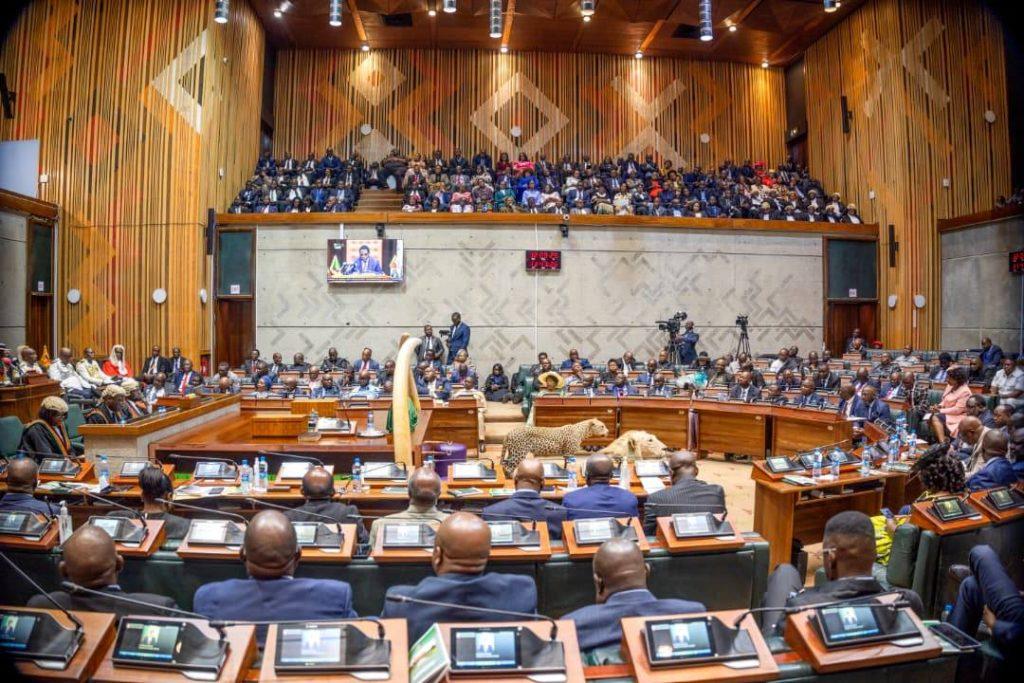
Amendments should focus on reducing presidential powers, not term limits – Expert

Breaking News Zambia
NewsGovernance activist Wesley Miyanda has called for […]
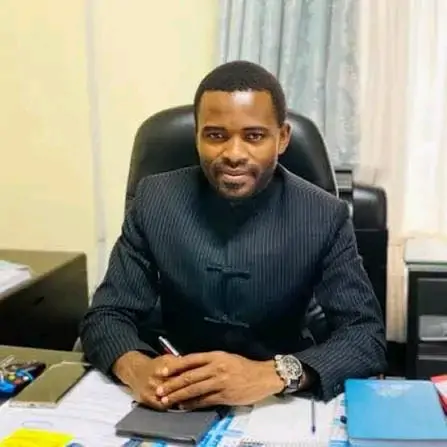
Governance activist Wesley Miyanda has called for a review of presidential powers, saying Zambia’s constitutional debate should go beyond presidential term limits and address the concentration of power in the Executive.
Speaking in an exclusive interview with Zambian Business Times-ZBT Miyanda said excessive presidential powers could affect the independence of key governance institutions, including the Anti-Corruption Commission (ACC), Drug Enforcement Commission (DEC) and Electoral Commission of Zambia (ECZ).
“The president has too much power that, if left unchecked, he can even put the country on fire,” Miyanda said.
He said the President’s role in appointing senior officials in various institutions raises questions about the extent to which such institutions can independently hold those in power to account. “The president is the appointing authority.
He is the one who appoints director generals and commissioners in all these institutions, and you don’t expect these institutions to work independently,” he said.
Miyanda said the concern also extends to other arms of government, including the judiciary and prosecution authorities, arguing that Zambia needs stronger checks and balances. He said constitutional reforms should therefore focus on strengthening institutional independence rather than concentrating mainly on issues such as presidential term limits.
“Instead of concentrating much on issues like presidential term limits and constitutional amendments, let’s look at the bigger picture,” Miyanda said. He said reducing excessive presidential powers could help strengthen democracy, good governance and the rule of law. Miyanda also called on Members of Parliament to take a leading role in pushing for constitutional reforms, saying lawmakers have a responsibility to address weaknesses in the country’s governance system.
“There’s a lot that needs to be done, even as we talk about the rule of law, people’s rights and many others,” he said.
He said civil society organisations, traditional leaders and members of the public should also participate in discussions on constitutional reform.
Article by Karen Ngulube


Community Feedback