
Can skyscrapers save Zambia’s trees from urbanization?

Breaking News Zambia
NewsAs Zambia’s towns and cities continue to […]
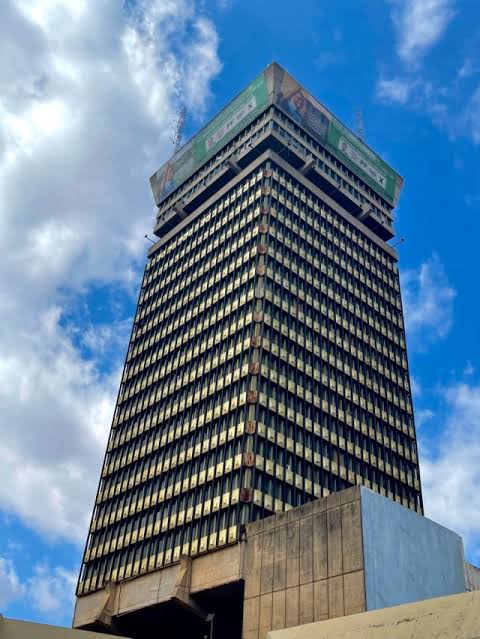
As Zambia’s towns and cities continue to expand, the growing demand for land for housing and other developments is putting increasing pressure on trees and green spaces. Environmental expert Benjamin Mibenge says Zambia could reduce the loss of trees caused by urban development by changing the way cities are built, moving towards high-rise buildings that accommodate more people on less land.
Speaking in an exclusive interview with Zambian Business Times (ZBT), Mibenge said the current practice of developing individual plots often involves clearing large numbers of trees, even in areas where they could have been preserved.
He says people who acquire plots do not necessarily need to remove all the trees before construction, arguing that only trees standing where houses, garages and other structures will be built should be removed.
Mibenge advised developers to construct multi-storey buildings, saying this would make better use of limited urban land while helping to preserve trees. He says the need for such an approach is becoming more urgent as people continue moving from rural areas to urban centres in search of employment and other opportunities.
Mibenge further links the loss of trees to Zambia’s continued dependence on charcoal, which is placing additional pressure on forests. He says although institutions such as the Forestry Department, Zambia Environmental Management Agency (ZEMA) and local councils have environmental laws and regulations, enforcement remains a major challenge.
“We have very good law enforcement on paper, but we cannot, we don’t do it,” Mibenge says.
He also believes Zambia needs to accelerate the adoption of alternative energy sources such as gas and biogas to reduce dependence on charcoal.
Mibenge says the effects of declining tree cover are already being felt in some urban areas through increasingly hot conditions.
He points to Livingstone, where he says inadequate tree cover is contributing to the heat being experienced in the city. “If we are going to continue this, then we must have better control because if we don’t do that, the children that are going to be born are going to suffer,” he says.
Mibenge says Zambia must therefore rethink how it plans and develops its cities, with environmental protection considered alongside the need to provide housing and accommodate a growing urban population.
Article by Karen Ngulube



Community Feedback