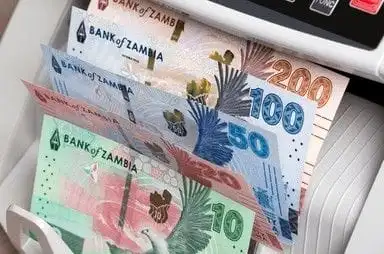
Why Does Saving Money Feel So Difficult? Here is all you need to know

Breaking News Zambia
NewsSaving money sounds simple: spend less than you earn and put the difference aside. Yet for many people, actually building savings can feel surprisingly difficult. Even when someone has a clear intention to save, the money can seem to disappear before the end of the month. Rent, food, transport, electricity, airtime, mobile data, family responsibilities […]
Saving money sounds simple: spend less than you earn and put the difference aside.
Yet for many people, actually building savings can feel surprisingly difficult.
Even when someone has a clear intention to save, the money can seem to disappear before the end of the month. Rent, food, transport, electricity, airtime, mobile data, family responsibilities and unexpected expenses can quickly consume income, leaving little to put away.
But saving difficulties are not always about a lack of discipline. The way people think about money, the frequency of small expenses and the pressure of everyday life can all influence how easy or difficult saving becomes.
One major reason saving feels difficult is that spending provides an immediate reward while saving is usually about a future benefit.
Buying food, clothes, entertainment or something you have wanted gives you something immediately. Saving K500, on the other hand, may simply mean having K500 sitting somewhere that you cannot enjoy today.
This is one reason financial goals that are far into the future can be difficult to maintain.
Small expenses can also have a surprisingly large impact.
A person might not consider a daily purchase of K20, K30 or K50 to be significant. But repeated every day, those amounts can become hundreds or even thousands of kwacha over a month.
The same applies to frequent takeaways, unnecessary subscriptions, impulse purchases and repeated mobile-money transactions.
Another challenge is lifestyle inflation.
When income increases, spending often increases as well. Someone who receives a salary increase may begin eating at more expensive restaurants, upgrading their phone, travelling more frequently or taking on additional financial commitments.
The result is that the person earns more but still feels financially stretched.
Looking for the latest sports odds and markets? Check them out here.
Social pressure can make saving even harder.
People sometimes feel expected to contribute to family events, assist relatives, attend celebrations, dress well, own certain products or maintain a particular lifestyle.
In many African families, supporting relatives is also an important social responsibility, meaning that saving cannot always be considered in isolation from family obligations.
Unexpected expenses are another major reason people struggle to build savings.
A medical bill, vehicle repair, school requirement, family emergency or sudden household expense can wipe out money that had been set aside.
This can make saving feel pointless, particularly when someone repeatedly saves money only to withdraw it a short time later.
However, that does not mean the saving was wasted.
An emergency fund exists precisely for situations when unexpected expenses arise.
The psychological side of saving is also important.
People often set ambitious targets such as saving half their salary or accumulating a large amount within a few months. When the target becomes difficult to maintain, they may give up completely.
Starting with a smaller amount can make saving feel more achievable.
For example, someone could decide to save a fixed amount immediately after receiving income rather than waiting to see what remains at the end of the month.
This approach changes the question from “What is left to save?” to “How much can I save before I start spending?”
It can also help to separate savings according to their purpose.
Money for emergencies, school fees, a business, a house, travel or a major purchase can be kept as separate goals. Having a specific reason for saving can make it easier to resist spending the money on something else.
Another useful habit is tracking spending.
Many people know roughly how much they earn but cannot say exactly where all their money goes. Recording expenses for even one month can reveal patterns that are otherwise easy to miss.
The goal is not necessarily to eliminate every enjoyable expense.
Money is meant to be used. The challenge is finding a balance between enjoying today’s income and protecting tomorrow’s financial needs.
For someone struggling to save, the first step may therefore be less about earning a huge amount of money and more about understanding the relationship between income, spending and financial priorities.
Saving becomes easier when it is treated as a regular habit rather than something that happens only when there is money left over.
And perhaps the biggest lesson is this: you do not have to save a huge amount to start becoming a saver.
Even a small amount saved consistently can create a habit, build an emergency cushion and gradually change the way you think about your money.
❤️ Support ZED GOSSIP: Choose to bet? Sign up with 1xBet through our affiliate link and support the work we do. Your support helps us keep Zed Gossip running and bringing you the latest Zambian news, entertainment and sports. 18+ | Bet responsibly.




Community Feedback