
When Systems Ignore Real Life

Breaking News Zambia
NewsAt the time of writing this, I am preparing for a panel taking place this evening on “Living healthily with Diabetes”. The title made me pause, because living healthily sounds simple until we ask what it actually requires. It is easy to tell somebody to eat better, exercise, take their medication and attend every […]
At the time of writing this, I am preparing for a panel taking place this evening on “Living healthily with Diabetes”. The title made me pause, because living healthily sounds simple until we ask what it actually requires. It is easy to tell somebody to eat better, exercise, take their medication and attend every appointment. It is much harder to ask whether the plan fits the life they are living.
This is not only about diabetes. The same tension appears in hypertension, cancer, heart disease and many other long-term conditions. A treatment plan is given, the patient goes home, and if they struggle to follow it, the word “non-compliant” can enter the conversation. It sounds clinical, but it often carries a moral judgement: you were told what to do, so why did you not do it?
Perhaps we are asking the wrong question. Instead of “Why didn’t you follow the plan?”, we might ask, “What made the plan difficult to follow?”
That small change takes us somewhere more useful. Perhaps the medicine was not available at the pharmacy. Perhaps the patient could afford the tablets or the transport to the clinic, but not both. Perhaps the instructions were explained too quickly. Perhaps taking the medicine at the prescribed time is difficult during a long shift with no proper break. Perhaps the family diet cannot be changed by one person who does not buy or cook the food.
None of this means personal responsibility does not matter. It does. We all make choices that affect our health, and those of us living with chronic conditions make many of them every day. But responsibility is not the same as control. You can take your medication, monitor carefully and still have an unpredictable result. Bodies respond to stress, hormones, infection, sleep, age and circumstances that cannot always be neatly managed.
This is where some wellness advice loses me. Most times it assumes that health is a reward for being disciplined. Wake up early. Drink more water. Walk every day. Avoid certain foods. Think positively. Each suggestion may be helpful, but together they can make illness sound like evidence that somebody did not try hard enough.
Health is not a personality test. Good readings do not prove that somebody is more responsible, just as a complication does not automatically prove neglect. A person with controlled blood pressure may have better access to medication, more flexible working hours and stronger family support than somebody who is struggling. We rarely see those advantages when we praise the result.
The World Health Organization reminds us that health is shaped by the conditions in which people are born, grow, work, live and age. Income, housing, education, food access and working conditions all matter. This does not remove individual choice. It tells us that choices are made inside circumstances, not outside them.
In Zambia, telling somebody to make healthier choices can mean very different things depending on where they live and what they earn. One person can buy a glucose sensor, see a specialist and choose between several foods. Another may travel for hours to a clinic, miss a day’s income and return home without every prescribed item being available. Both may care deeply about their health. Their options are simply not the same.
The diaspora has its own complications. Healthcare and technology may be more available, but people may be working long shifts, living without family support, navigating unfamiliar systems or sending money home. A service can exist and still be difficult to use. Access on paper is not always access in real life.
We also need to be careful with the language of “good” and “bad”. People with diabetes often use those words for glucose readings. Patients with hypertension may feel they have failed when a number rises. Somebody receiving cancer treatment may feel pressure to remain endlessly positive. But a reading is information, not a character reference, and fear, exhaustion or grief are not signs of weakness.
Healthcare professionals are also working within difficult systems. Many have limited time, large numbers of patients and few resources. This is not about blaming doctors or nurses but actually recognising that a medically correct plan can still fail if nobody has asked whether it is practical.
That question can change care. Can the patient afford this? Do they understand what has changed? Can they take this medicine safely at work? Who prepares food at home? Is there somebody who can support them after treatment? What happens if the device stops working or the medicine is unavailable?
Families and employers also have a role. Support is more than reminding somebody to take medicine. It may mean helping with transport, allowing time for appointments, making space for meals or simply listening without turning every conversation into a lecture. Sometimes the person already knows what they are supposed to do. The problem is that knowing and being able to do it are not always the same thing.
Living healthily should not mean performing perfect health. It should mean having a plan that works as far as possible within a real life, with room for change when that life changes. The best plan is not necessarily the strictest or most impressive one. It is the one a person can understand, afford and continue.
So before we describe somebody as difficult, careless or non-compliant, let’s pause. The more useful question is not simply whether they followed the plan, but whether we helped create a plan they could follow.
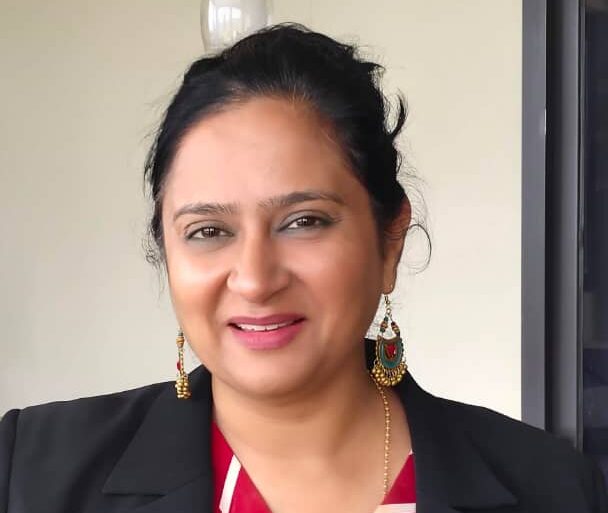
Kaajal Vaghela is a sportswear designer and cultural wellness consultant with over three decades of lived experience managing Type 1 diabetes in Zambia and the diaspora. Having previously served as Chairperson of the Lusaka branch of the Diabetes Association of Zambia, she remains a passionate advocate for breaking down myths and building awareness about diabetes. For more personalised coaching or corporate wellness workshops, visit: www.kaajalvaghela.com and for any feedback: diabetes.by.kc@gmail.com)


Community Feedback