
Strategy, Pressure Or Principle: Nevers Gets Nervous?

Breaking News Zambia
Top StoriesFormer Vice-President Nevers Mumba’s resignation as President of the New Nation Party, and his withdrawal from active politics and the UPND Alliance Council of Presidents, has been received publicly as a personal decision framed around service and calling. Beneath that framing,…
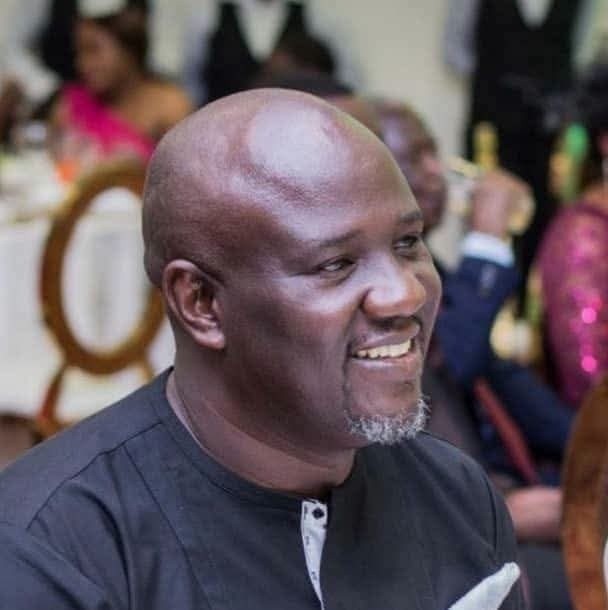
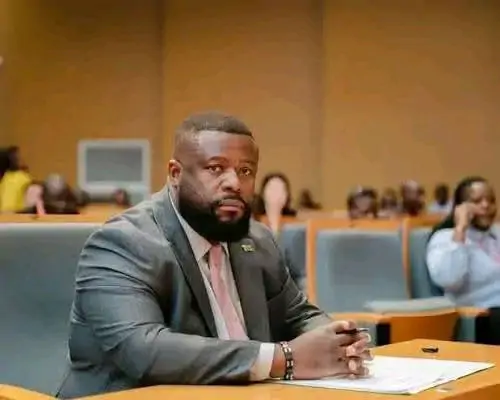
Former Vice-President Nevers Mumba’s resignation as President of the New Nation Party, and his withdrawal from active politics and the UPND Alliance Council of Presidents, has been received publicly as a personal decision framed around service and calling. Beneath that framing, three competing theories are now circulating over what actually drove the timing, and each points to a different picture of where Mumba sits in Zambia’s political landscape.
Theory one: a strategic exit with a reward attached
One reading holds that Mumba’s departure is less an ending than a repositioning, timed to a role he expects from the UPND in return for services already rendered. Under this theory, Mumba’s presence inside the New Nation Party was never really about building an independent political home. It was about occupying and neutralising a vehicle, the former MMD, that could otherwise have re-emerged as a credible opposition platform.
That reading draws a direct parallel with what happened to the Patriotic Front, where figures inside the party’s own structures were widely seen to have weakened its capacity to function as an effective opposition force following the 2021 transition. Applying the same logic to Mumba, the argument goes that stepping back now, cleanly and publicly, positions him for a reward from the UPND rather than closing the door on his political relevance. Mumba himself gave the theory an opening by describing his move as “a calling to serve the country in a different capacity” rather than a retirement, language critics say leaves the door open for a future government or diplomatic appointment.
Theory two: pressure following a public legal challenge
A second and more immediate theory centres on a direct challenge to Mumba over his conduct, reportedly raised by former ambassador Emmanuel Mwamba in comments shared publicly in the days before the resignation.
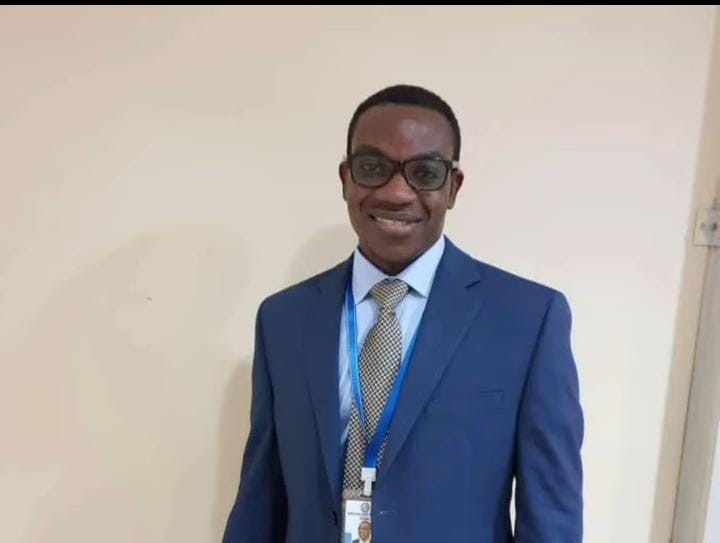
According to that account, Mwamba says he cautioned Mumba that he was breaking the Constitution and the Former Presidents’ Benefits Act of 1993, as amended in 2026, by drawing benefits as a former Vice-President while simultaneously holding the partisan position of party president. Mwamba says Mumba dismissed the warning at the time, and that an ally of Mumba’s, George Mtonga, publicly reproduced the dismissive response. Mwamba has since pointed to former President Edgar Lungu as precedent, noting that Lungu voluntarily surrendered his own former-president benefits when he returned to active politics in October 2023.
The Act itself is explicit on the point. Retirement benefits for a former President or Vice-President are withdrawn if the individual is in receipt of a Government salary, is engaged in active politics, vacates office over a constitutional violation or gross misconduct, or is convicted of an offence carrying more than six months’ imprisonment without the option of a fine. Under this theory, Mumba’s resignation was less a redefinition of service than a legally necessary correction, arriving only after the exposure became public and difficult to ignore.
Theory three: principle, and a quieter benefit of its own
The third theory takes Mumba closer to his word, treating the decision as a genuine reflection on what nearly three decades in active politics has done to the office he once held and to the national respect attached to it. Under this account, Mumba’s references to being persistently misunderstood, and to leaning instead on his diplomatic background and religious grounding to offer national guidance, reflect a real discomfort with the tone of Zambian partisan politics rather than a calculated exit.
Even this reading, however, does not fully separate principle from self-interest. Stepping back from active politics restores Mumba’s unambiguous entitlement to his former Vice-President benefits under the Act, regardless of whether reflection or exposure came first. Principle and preservation, in other words, arrive at the same outcome.
What is confirmed, and what is not
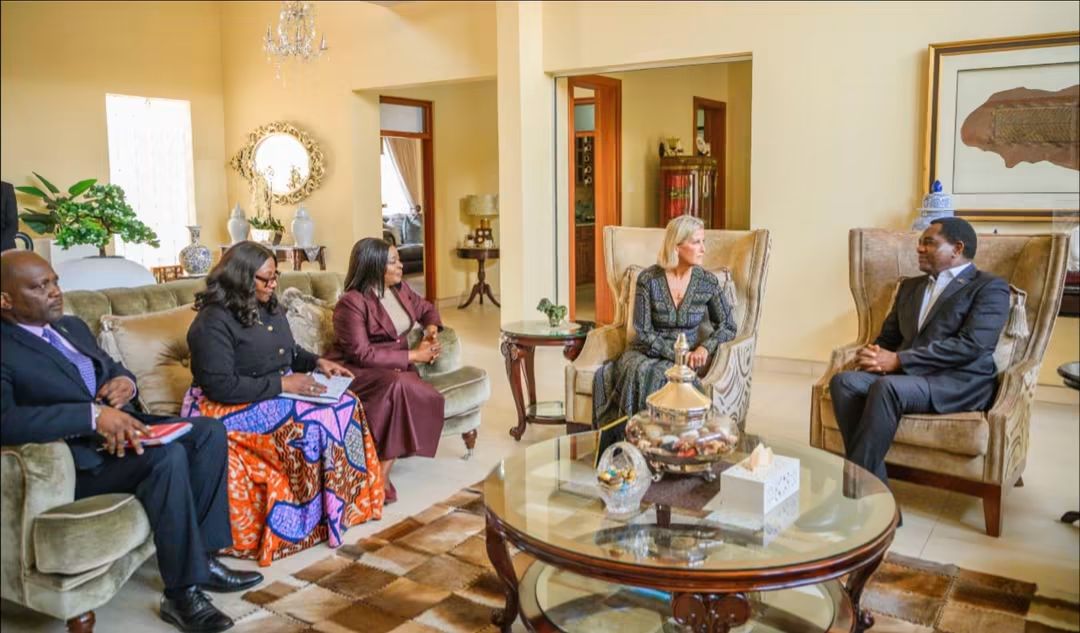
What is established is that Mumba has resigned as New Nation Party president, handed interim leadership to vice-president Reuben Sambo pending a party convention, and withdrawn from the UPND Alliance Council of Presidents, and that he consulted President Hakainde Hichilema before making the announcement. What remains unconfirmed is which of the three motivations, if any single one, actually drove the timing. Neither Mumba nor the New Nation Party has directly addressed the benefits question or Mwamba’s account, and no independent confirmation exists of a pending UPND reward.
Sambo now leads a small but strategically positioned UPND alliance partner, with the substantive leadership question left to the next party convention, and the wider question of what comes next for Mumba himself left, for now, unanswered.


Community Feedback