
State House Dismisses Claims of Arbitrary Arrests

Breaking News Zambia
Top StoriesState House has dismissed claims that security and law enforcement agencies are conducting arbitrary arrests, saying the authorities are instead carrying out lawful investigations into suspected criminal activities and threats to national security. State House Chief Communication…
State House has dismissed claims that security and law enforcement agencies are conducting arbitrary arrests, saying the authorities are instead carrying out lawful investigations into suspected criminal activities and threats to national security.
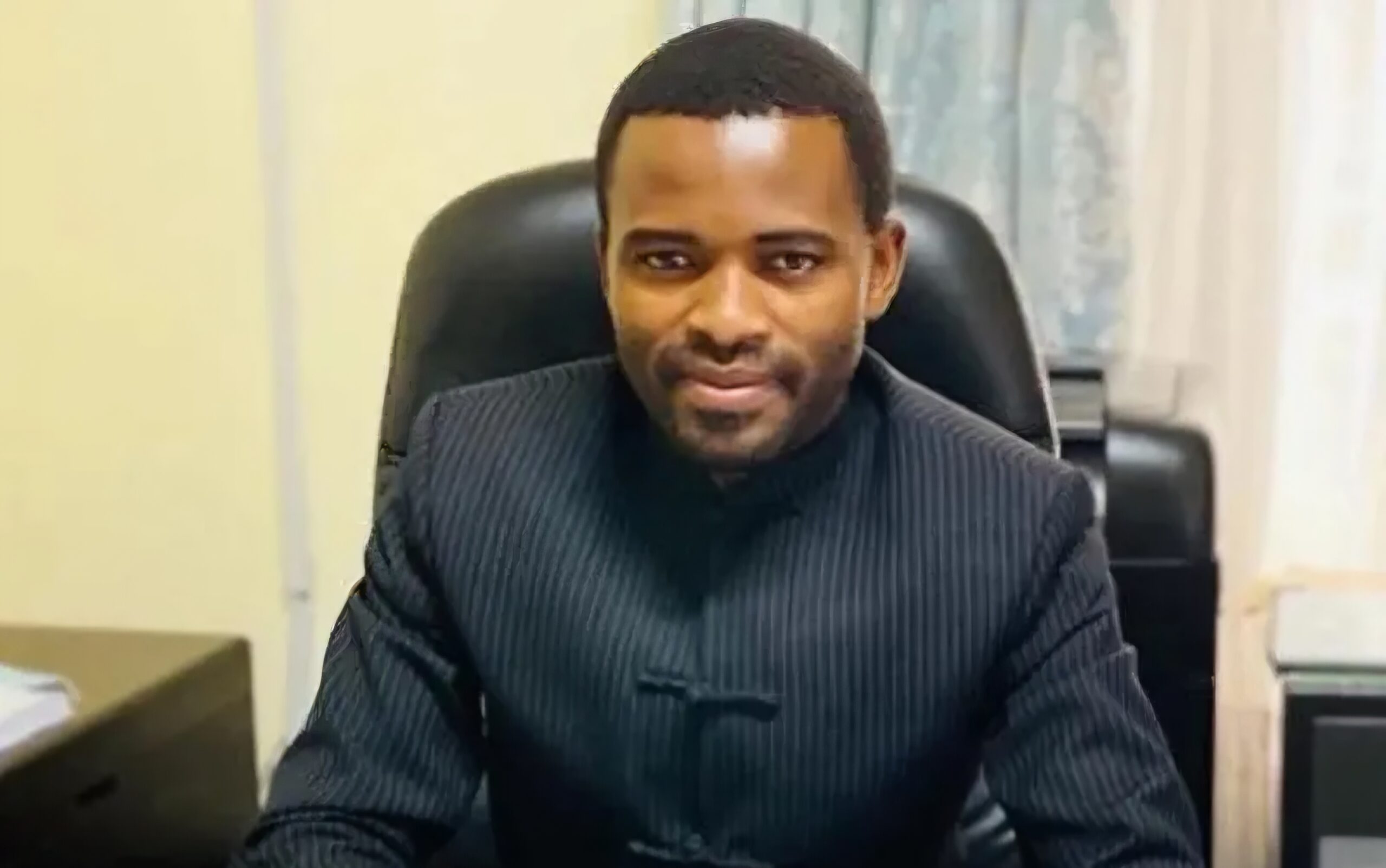
State House Chief Communication Specialist Clayson Hamasaka said there was a sustained and increasingly mischievous campaign by some citizens and sections of the opposition-aligned media to portray legitimate investigations as a programme of arrests targeting particular individuals.
Hamasaka said the narrative was false, misplaced and potentially dangerous because it blurred the distinction between arbitrary arrest and lawful investigation.
He explained that Zambia was a constitutional democracy governed by the rule of law and that political affiliation or public prominence could not confer immunity from lawful investigations where there were reasonable grounds to investigate suspected criminal conduct or threats to national security.
Hamasaka cited reports and allegations surrounding the discovery of high-grade military weapons at a private residence, claims that some individuals received specialised or mercenary-style training abroad and public statements allegedly expressing willingness to kill fellow Zambians if an election did not produce a preferred outcome.
He also cited calls for the harm or assassination of the sitting Head of State and conduct purporting to declare a presidential election outcome before the conclusion of the electoral process by the constitutionally mandated authority.
“These are not trivial matters. They touch directly upon the security of the Republic, the integrity of constitutional government, and the safety of the Zambian people,” he said.
Hamasaka said where credible information concerning such matters came to the attention of the State, it was the responsibility of a legitimate government to take interest and act accordingly.
He questioned how investigations aimed at establishing facts, securing possible evidence, identifying persons of interest and determining whether offences had been committed could be described as arbitrary.
He noted that investigations must, however, be conducted professionally, impartially and within the law.
“Where sufficient evidence exists, the matter belongs before the courts; where it does not, the law must take its course accordingly,” Hamasaka said.
On the loss of life arising from circumstances connected to security operations or investigations, he said every human life had value and such deaths were deeply regrettable.
However, Hamasaka said expressions of regret should not be used to obstruct legitimate investigations into potentially serious threats to national security.
He also stated that those who flee to foreign jurisdictions should not use their departure as evidence that an investigation was arbitrary, arguing that the facts should instead be established through due process.
He urged people commenting on the matter, including “self-appointed experts”, to exercise responsibility, saying human rights should not be invoked as a shield for suspected criminal conduct or to weaken institutions responsible for protecting the country.
Hamasaka further criticised people who, from foreign jurisdictions, allegedly encourage narratives capable of undermining law and order in Zambia.
He said human rights advocates should defend both individual liberty and the rule of law, including the rights of suspects to due process and the right of citizens to live without fear of political violence, assassination, armed destabilisation or unconstitutional seizure of power.
“The State has a solemn constitutional duty to protect the Republic of Zambia, its democratic institutions and, above all, its people,” he said.
“Zambia’s democracy will be protected not by weakening the rule of law, but by applying it firmly and without fear or favour. The rights of citizens must be protected. The security of the Republic must be protected. Neither obligation cancels the other.”





Community Feedback