Mistreating farmers is the greatest threat to food security

Breaking News Zambia
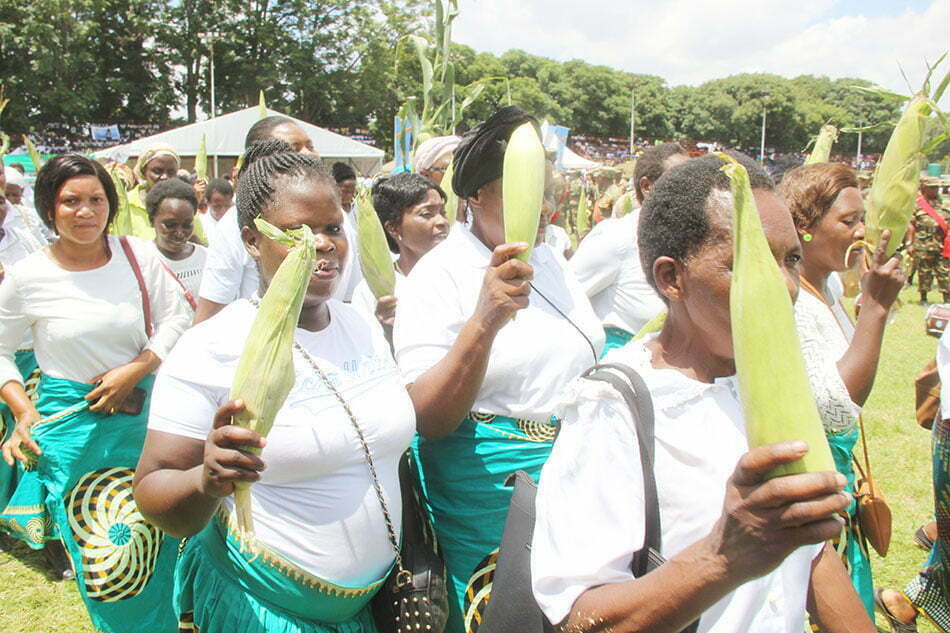
NewsAS Zambia commemorates Farmers’ Day, there is every reason to celebrate the resilience of the men and women who continue to feed this country despite increasingly difficult conditions. Every plate of food on our tables begins with their labour, risk and sacrifice. President Hakainde Hichilema is in order to celebrate Zambia’s recovery from the […]
AS Zambia commemorates Farmers’ Day, there is every reason to celebrate the resilience of the men and women who continue to feed this country despite increasingly difficult conditions. Every plate of food on our tables begins with their labour, risk and sacrifice.
President Hakainde Hichilema is in order to celebrate Zambia’s recovery from the devastating 2023/24 drought. The reported production of about 3.9 million metric tonnes of maize, together with projections of more than five million metric tonnes in the coming season, points to a strong rebound. The ambition to expand irrigation, mechanisation, research, storage and electronic FISP also deserves support. Agriculture must remain at the centre of Zambia’s economic transformation.
But Farmers’ Day must not become an annual festival of speeches in which government praises bumper harvests while avoiding an honest discussion about the treatment of farmers.
The biggest injustice suffered by many farmers last season was delayed payment. After spending months preparing fields, buying inputs, planting, weeding and harvesting, they delivered their crops expecting to be paid within a reasonable period. Instead, many waited for weeks and, in some cases, much longer. While officials issued assurances, farmers were left with unpaid debts, overdue school fees, unsettled bills and no capital to prepare for the next season.
Agriculture operates according to strict seasons. When payment is delayed after harvest, the farmer’s entire production cycle is disrupted. Delayed payment today quickly becomes delayed land preparation tomorrow, reduced acreage and, ultimately, lower production. That is why government’s promise to pay farmers within three days of delivery is important. It must not become another attractive commitment that collapses at implementation.
We also welcome the increased floor prices for crops this season. We hope they will make a meaningful difference after years in which production costs have risen sharply. Seed, fertiliser, chemicals, fuel, transport and labour are all expensive. A higher floor price is only useful if it reflects these realities and if payment is made promptly. A good price paid late can still leave a farmer financially crippled.
However, as government turns its attention to crop purchasing, another urgent challenge is already approaching. Very soon, the heavens will be pregnant and it will start to rain.
That means the farmers we are celebrating today must begin preparing for the next season. They need fertiliser, seed, chemicals and working capital. The central question is therefore unavoidable: where are we with fertiliser procurement and distribution?
Has procurement been completed? When will distribution begin? At what price will farmers buy fertiliser? Will inputs reach remote districts before the first serious rains, or will farmers once again spend the planting season queuing, pleading and improvising?
In previous seasons, the country witnessed government struggle to meet farmers’ expectations. Inputs arrived late, quantities were inadequate and distribution was chaotic. In some places, farmers were forced to share fertiliser in small buckets known as medas. That image should shame any government that claims to place agriculture at the heart of national development.
There is something deeply demeaning about asking a farmer to queue for hours, only to receive a small measure of fertiliser that cannot adequately cover the field. Zambia cannot call itself food secure while treating the producers of that food as an afterthought.
Government must also recognise the political consequences of these failures. In many rural constituencies where the UPND may lose votes, poor delivery of fertiliser and farming inputs will be a major contributing factor. Farmers vote according to whether seed arrived on time, whether fertiliser was sufficient and whether the Food Reserve Agency paid them when promised.
Ultimately, food security begins long before harvest. It begins with timely procurement, transparent distribution, affordable inputs, functioning extension services and prompt payment for crops delivered. These are the foundations of agricultural success.
Zambian farmers have repeatedly demonstrated that, when supported, they can produce enough to feed the country and supply regional markets. They have kept their side of the bargain. Government must now keep its own.
If Zambia truly respects farmers, that respect must be visible in policy, budgets and implementation, not only in Farmers’ Day speeches. We cannot praise them in August and abandon them when the rains begin. The farmer deserves better. And the country’s food security depends on it.


Community Feedback