
EDITORIAL | Stop promising Tonse a presidency it did not win

Breaking News Zambia
News🇿🇲 EDITORIAL | Stop promising Tonse a presidency it did not win There is something increasingly unhealthy happening in Zambia’s post-election politics. From outside the country, particularly through opposition platforms operating in the diaspora, Tonse supporters are repeatedly being given reason to believe some international institution, foreign government, court or legal organisation may eventually undo […]
🇿🇲 EDITORIAL | Stop promising Tonse a presidency it did not win
There is something increasingly unhealthy happening in Zambia’s post-election politics. From outside the country, particularly through opposition platforms operating in the diaspora, Tonse supporters are repeatedly being given reason to believe some international institution, foreign government, court or legal organisation may eventually undo August 13 and deliver the presidency to Brian Mundubile.
Emmanuel Mwamba’s latest headline is a good example: “Lawyers World-wide Denounce Hichilema’s Theft of Election.” But the international lawyers’ statement he reproduces raises grave concerns about courts, security forces, lawyers, arrests, passports and judicial independence. It does not declare Mundubile winner of Zambia’s presidential election. Converting institutional criticism into an international verdict on who won is not a small editorial embellishment. It changes the meaning.
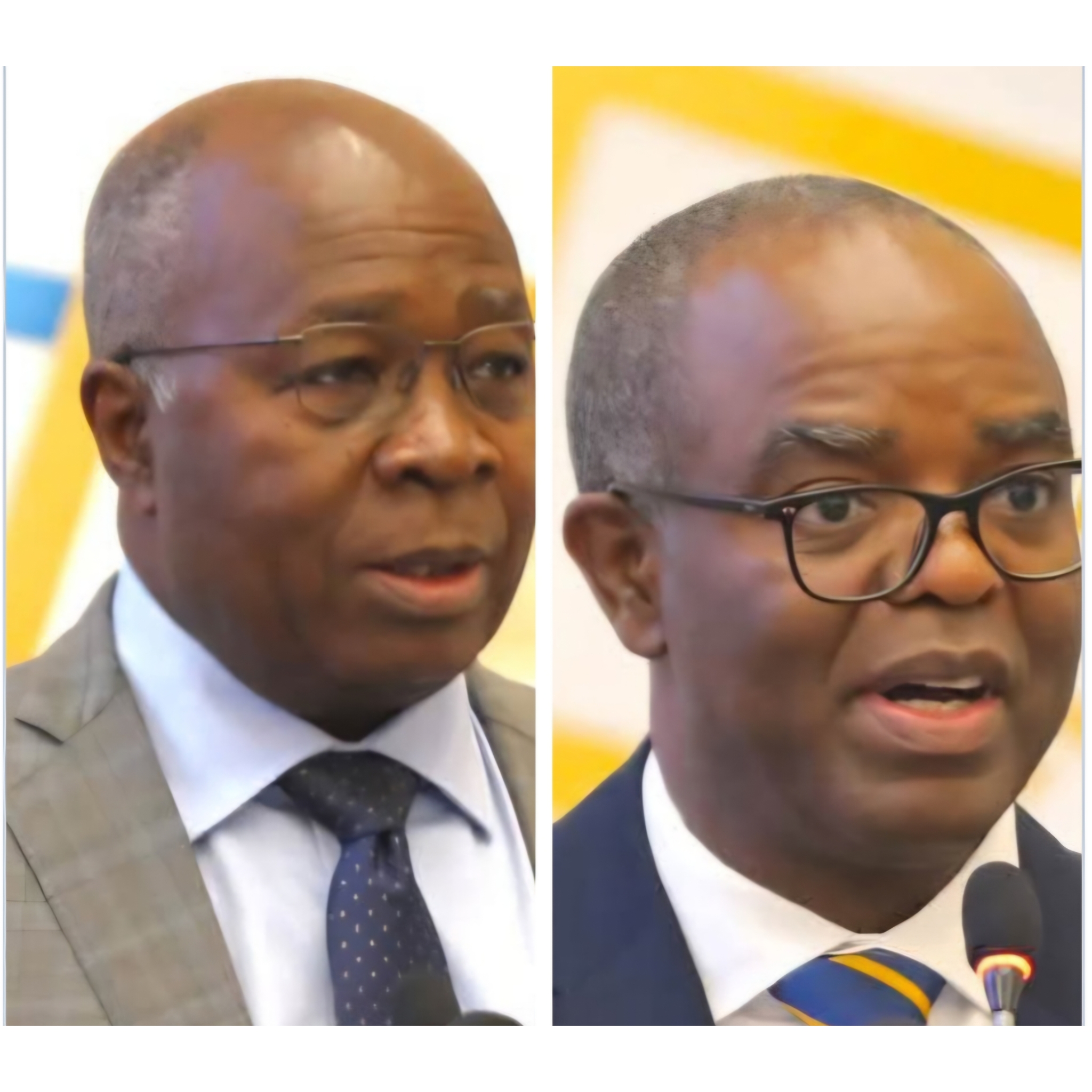
The People’s Brief has no difficulty saying something else plainly: Brian Mundubile performed extremely well. He inherited an opposition structure thrown into uncertainty after the collapse of the old PF presidential vehicle and still emerged with 1,856,217 votes. Hichilema received 2,965,326, leaving a declared margin of 1,109,109 votes. Mundubile carried much of the old PF political geography. He demonstrated Tonse could consolidate a substantial opposition vote. Those are politically important achievements. But they are not the same thing as winning an election.
This is where maps can deceive political movements. Mundubile won Eastern, Luapula, Muchinga and Northern provinces and narrowly carried Lusaka. Hichilema’s strength operated differently. In Southern, Western, North-Western and Central, enormous margins accumulated votes faster than Mundubile’s victories elsewhere could compensate. The result was therefore capable of looking competitive geographically while becoming much less competitive numerically. Presidential elections are not awarded according to how much territory on a map changes colour. They are won by votes.
Turnout deepened the problem. Some traditional opposition areas did not produce the participation Tonse needed, while Hichilema’s strongest regions generated both high support and large margins. This is the strategic lesson Tonse should be studying now. Its problem was not simply whether it could win the old PF heartlands. It largely did. Its problem was whether those heartlands could produce margins large enough to neutralise what UPND was banking elsewhere while remaining competitive in Lusaka and the Copperbelt. They could not. This is a political problem requiring organisation, persuasion and turnout. No international institution can solve it for Tonse.
None of this erases legitimate questions surrounding the election. The August 24 court closures deserve serious scrutiny. The international lawyers are entitled to raise questions about judicial independence, access to justice, Kafwaya’s death and treatment of lawyers and opposition figures. Independent observers also recorded problems in the electoral process. Even independent monitoring did not simply pronounce everything perfect. Those concerns should be investigated rather than dismissed. But concern about the conduct of an election and evidence showing a different candidate actually won are two different propositions. Even CCMG’s independent sample-based verification concluded Hichilema received the most presidential votes and crossed the 50-percent threshold, while identifying discrepancies it said deserved review.
This is why the diaspora campaign now risks hurting the people it claims to support. Mundubile and Makebi Zulu are not sitting somewhere waiting to be summoned to State House by an international organisation. They are confronting serious criminal proceedings inside Zambia. Their immediate interests are competent legal representation, due process, humane treatment and a political environment capable of separating criminal allegations from political vengeance. Tonse’s domestic leadership also has an opposition movement to preserve. Every week spent convincing supporters an external rescue is approaching is a week not spent confronting the harder question: how does a movement which received 1.86 million votes turn those voters into a majority next time?
The diaspora does not carry the consequences in quite the same way. People in Zambia live with the arrests, court appearances, political temperature and institutional consequences. This does not make diaspora voices irrelevant. It makes responsibility more important. International advocacy can expose abuse. It can pressure Government. It can demand investigations and due process. But when advocacy becomes a continuous promise of impending regime reversal, supporters cease preparing for political reality and begin waiting for an event which may never come.
Mwamba and others should therefore be careful with the hope they sell. The ICC is not Zambia’s electoral commission. International lawyers do not appoint Zambian presidents. Foreign governments can criticise Hichilema and still recognise and deal with his government. Human-rights institutions can condemn abuses without concluding Mundubile won the election. These distinctions may be inconvenient to political mobilisation, but they are fundamental to understanding how international institutions actually work.
Tonse should study its 1,856,217 votes rather than mourn an imaginary presidency. There is a serious opposition constituency inside those numbers. There are provinces where it remains dominant. There are urban voters it can compete for. There are weaknesses in UPND territory it can investigate and weaknesses in its own turnout it must repair. That is how political power is built. Mundubile’s performance should become the foundation of an opposition strategy, not evidence for a victory supporters are continually told was somehow waiting to be restored from abroad.
Government, meanwhile, should not mistake this argument for absolution. Hichilema won an election; he did not acquire immunity from scrutiny. His administration must answer legitimate questions about courts, security operations, detainees and institutional independence. The stronger the mandate, the less reason there is to fear transparent investigation. But Tonse also deserves leadership willing to tell its supporters something difficult.
Brian Mundubile performed well. He won significant political geography. He did not win enough Zambian votes to become President.
There is no humiliation in accepting that distinction. The greater danger is refusing to learn from it. False hope can keep a political base angry. Only truth can prepare it to win.
-The People’s Brief | Editor-in-Chief





Community Feedback