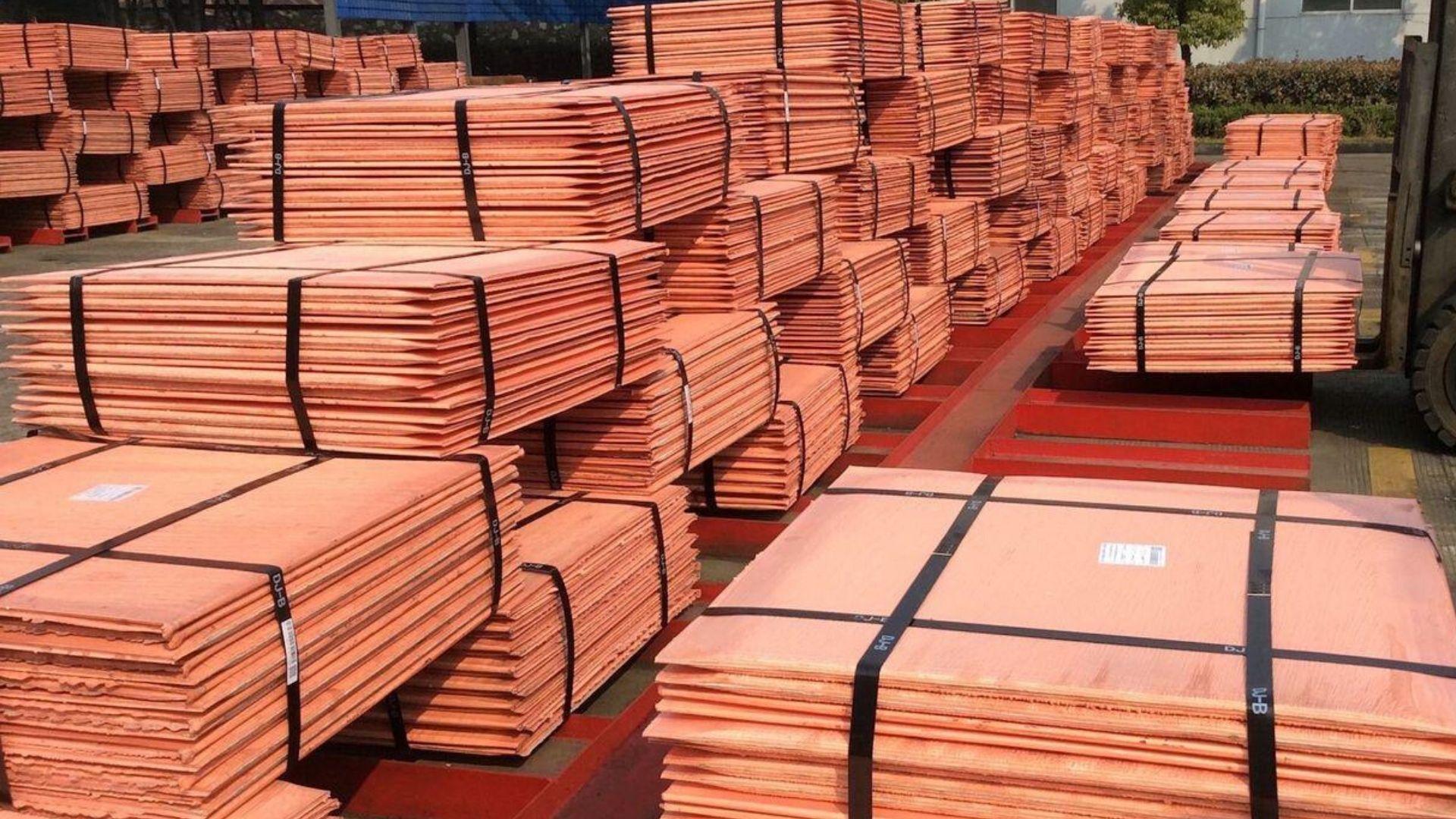
Zambia produces copper worth over $6bn in the first half of 2026

Breaking News Zambia
NewsOfficial statistics indicate that Zambia’s copper production […]
Official statistics indicate that Zambia’s copper production stood at over 447,100 tonnes in the first half of 2026, representing a slight increase from the same period last year. Specifically, Zambia produced a total of 447,181.93 metric tonnes of copper from January to June 2026, reflecting a 0.45% increase compared to the 445,176 tonnes produced during the same period in 2025.
With copper prices averaging around $13,500 per tonne in 2026 and recently rising to over $14,100 per tonne, this production translates to copper output valued at more than $6 billion for the first half of 2026. However, questions remain on whether Zambia is fully benefiting from the current copper price & production boom, as stakeholders emphasize the need for greater value addition, local participation, and equitable distribution of mining revenues.
Speaking in an exclusive interview with the Zambian Business Times – ZBT, Copperbelt University, Dean of the School of Mines and Mineral Sciences, Professor Musango Lungu, advocated for increased value addition within Zambian mining sector. He noted that local companies engaged in copper processing, such as cable manufacturing, among others, continue to face challenges in accessing raw materials at competitive prices.
“Government’s policy now should mandate that at least 20% of copper production must be made available to local companies at preferential prices, helping to stimulate domestic manufacturing.” “During my attendance at the Mining INSAKA last year, several local companies involved in copper value addition, such as cable wire manufacturers, raised concerns about access to locally produced copper.
Despite Zambia being a major copper producer, these businesses reported that they still have to purchase copper at prices set by the London Metal Exchange, rather than at locally referenced rates. This situation, they argued, limits their competitiveness and ability to benefit fully from Zambia’s mineral resources.”
Professor Lungu also emphasized the importance of developing local manufacturing capabilities, particularly in the production of battery materials for electric vehicles and renewable energy storage. He pointed to ongoing research collaborations between Zambian universities and the Democratic Republic of Congo (DRC), aiming to leverage the region’s vast reserves of copper and cobalt for battery production.
“Local manufacturing of batteries is not only possible but essential for Zambia to fully benefit from the global transition to green energy,” he said. “With government support, joint ventures, and increased local demand, Zambia is well-positioned to move beyond basic copper exports to higher-value products.” “Zambia and the Democratic Republic of Congo together possess approximately 70% of the world’s cobalt reserves, positioning them as key players in the global battery supply chain. Collaborative research between Zambian universities and international partners is already underway to develop local capacity for battery production.”
Meanwhile, Professor Lungu, also highlighted the impact of Zambia’s local content legislation, which mandates that 20% of contracts along the mining value chain be awarded to Zambian companies.
“Through this law, we are witnessing greater integration of local suppliers and contractors, who now benefit from training and capacity-building initiatives led by mining companies,” Professor Lungu noted.
Professor Lungu added that for Zambia to fully benefit from its mineral wealth, continued investment in skills, research, and local enterprise is essential. He added that by broadening value addition beyond traditional products like cables and fostering domestic demand, Zambia can reduce its dependence on external markets and ensure more sustainable, inclusive eco nomic growth.
He further urged the government and industry stakeholders to continue investing in skills development, local business empowerment, and the creation of a robust domestic market for value-added copper products.
Article by Tyndale Muchiya




Community Feedback