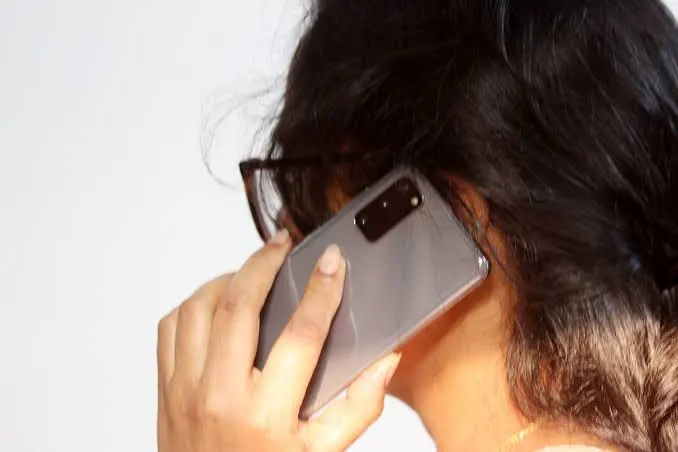
Why Some People Don’t Like Receiving Phone Calls

Breaking News Zambia
NewsHave you ever called someone several times only to notice that they never answer, yet they respond quickly when you send them a text message? For some people, avoiding phone calls is not about ignoring you or being rude. They simply feel more comfortable communicating through text messages, WhatsApp or other messaging platforms. The preference […]
Have you ever called someone several times only to notice that they never answer, yet they respond quickly when you send them a text message?
For some people, avoiding phone calls is not about ignoring you or being rude. They simply feel more comfortable communicating through text messages, WhatsApp or other messaging platforms.
The preference has become increasingly common as people become accustomed to communicating at their own pace.
One reason some people dislike phone calls is that calls demand immediate attention. When a phone rings, the person has to stop whatever they are doing and respond immediately. A text message, on the other hand, can be read and answered when they are available.
Some people also prefer having time to think before responding. During a phone conversation, questions can come unexpectedly and require an immediate answer. Texting gives someone the opportunity to consider their words before sending a response.
Another reason is that phone calls can feel intrusive.
A person may be working, studying, eating, travelling or simply enjoying some quiet time when the call comes through. Even if the call lasts only a few minutes, it interrupts whatever they were doing.
For some people, the problem is not communication itself but unexpected calls.
They may be perfectly happy to talk when a call has been planned in advance but become uncomfortable when someone suddenly calls without sending a message first.
Social anxiety can also influence someone’s attitude towards phone calls. Speaking on the phone can feel uncomfortable for people who worry about awkward silences, misunderstandings or saying the wrong thing.
This does not mean that everyone who avoids calls has social anxiety. People have different communication preferences, and many simply find texting easier.
Phone calls can also create pressure to remain engaged throughout the conversation. With text messages, there is no requirement to respond immediately or continuously.
Another factor is convenience.
A person may be able to send a quick message while travelling or during a short break, whereas a phone conversation requires them to stop and dedicate their attention to the conversation.
Some people also dislike calls because they cannot see the other person’s facial expressions or body language. This can make certain conversations feel more difficult to interpret.
At the same time, some people prefer calls precisely because they find texting confusing. Tone can easily be misunderstood in a message, while someone’s voice can provide additional clues about what they mean.
The important thing is not to automatically assume that someone who doesn’t answer calls is deliberately ignoring you.
Repeatedly missing calls without explanation can understandably become frustrating, especially when the matter is urgent. But in many cases, the person may simply prefer another form of communication.
A simple message such as “When you’re free, please call me” can be more effective than repeatedly calling.
It is also useful to distinguish between someone who dislikes phone calls and someone who consistently avoids communication altogether.
A person may dislike calls but still communicate regularly through messages. That is a communication preference.
If someone refuses calls, ignores messages and repeatedly avoids important conversations, however, the issue may be more than simply disliking phone calls.
Ultimately, communication works best when people understand each other’s preferences.
For some, a ringing phone means an opportunity to connect. For others, it feels like an interruption that demands an immediate response.
Neither preference automatically makes someone rude or uncaring.
Sometimes, they simply want to reply when they are ready rather than when the phone tells them to.





Community Feedback