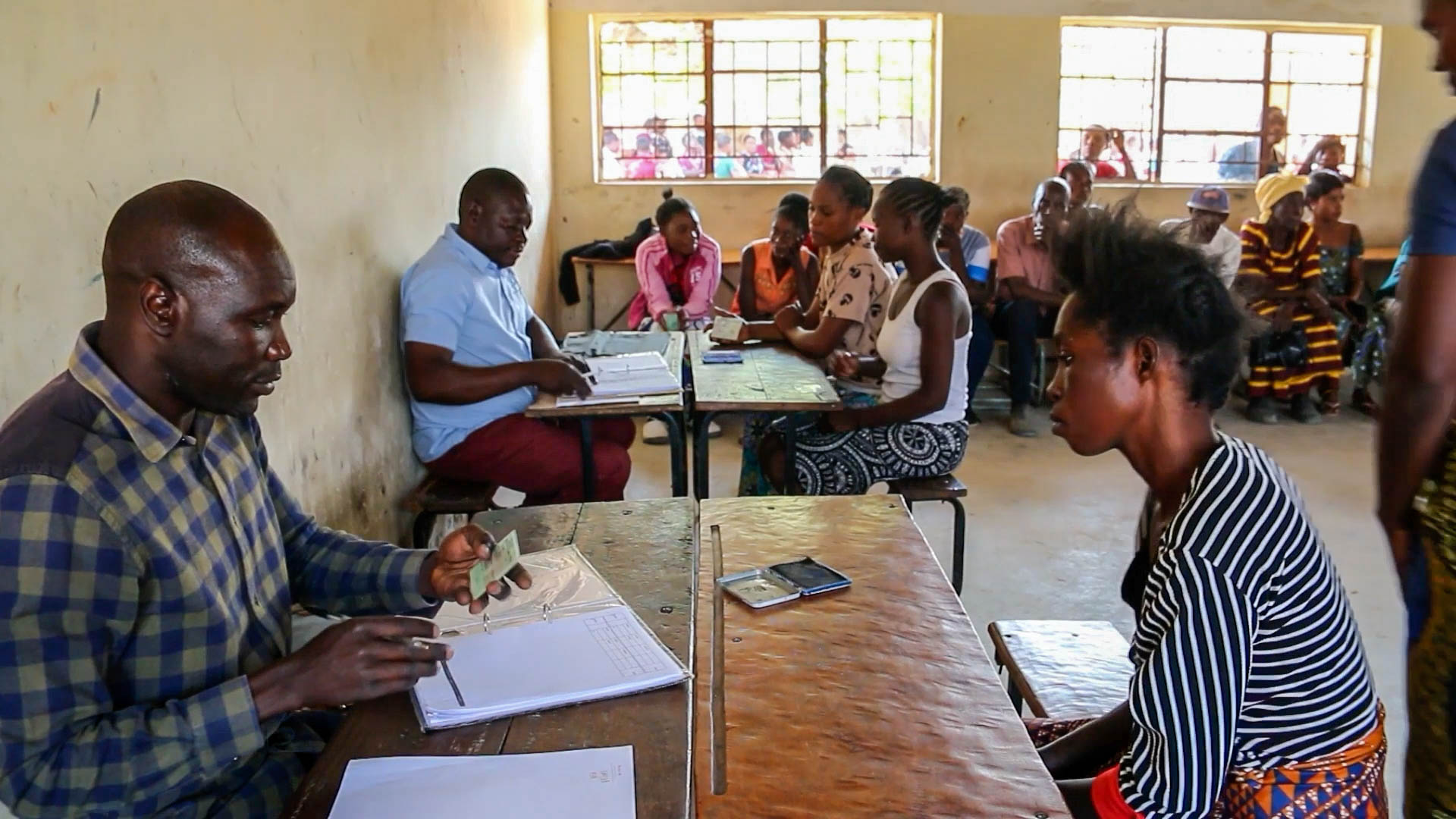
When the dead receive social cash transfer

Breaking News Zambia
NewsBy Elizabeth Chatuvela The Zambian government’s social protection policy is anchored on the need to protect vulnerable citizens from extreme poverty while creating opportunities for households to improve their welfare and withstand economic and social shocks. The Social Cash Transfer (SCT) programme is one of the key interventions through which this commitment is being actualized. […]
By Elizabeth Chatuvela
The Zambian government’s social protection policy is anchored on the need to protect vulnerable citizens from extreme poverty while creating opportunities for households to improve their welfare and withstand economic and social shocks.
The Social Cash Transfer (SCT) programme is one of the key interventions through which this commitment is being actualized.
For thousands of vulnerable households across Zambia, the Social Cash Transfer (SCT) programme is more than a government welfare intervention. It is a lifeline that helps families meet basic needs, access essential services and invest in small-scale economic activities that can gradually improve household resilience.
The programme provides regular cash support to extremely poor households with limited or no labour capacity, targeting the aged, people with disabilities, chronically ill persons, orphans, vulnerable children and other disadvantaged households identified through the national targeting system.
As of 2026, the programme reaches out to 1,555,840 households across all the 116 districts of Zambia, reflecting the scale of government’s investment in social protection and its efforts to reduce extreme poverty and strengthen the resilience of vulnerable communities.
But behind these numbers lies an important question: – how can the government ensure that resources meant for vulnerable citizens duly and consistently reach the right beneficiaries?
In Chienge District, a routine headcount of 14,858 Social Cash Transfer beneficiaries has brought this question into sharp focus, uncovering gaps in the beneficiary register.
The exercise revealed that about 1,000 registered beneficiaries had died but remained on the programme’s caseload and received transfers whenever they were due. This raised concerns about the accuracy of beneficiary records and the need for timely reporting of changes within beneficiary households.
For a programme involving public resources and thousands of vulnerable people, accurate records are critical. Beneficiary information must be regularly verified and updated to ensure that payments are made to eligible recipients as this ensures that government resources are properly accounted for.
Chienge District Community Development Officer Edmond Kampape explained that many of the deaths of beneficiaries had not been formally reported to the Department of Community Development and Social Services by Community Welfare Assistance Committees (CWACs).
Mr Kampape attributed the situation partly to challenges faced by CWAC members in obtaining death confirmation letters, with some reportedly told they must pay K50 to area chiefs for the documents required to give support to the department to update its records or amend the beneficiary register and subsequently support the removal of deceased beneficiaries from the register.
” The large number of unreported deaths was mainly due to CWAC members’ failure to obtain death confirmation letters for the deceased beneficiaries because some CWAC members had been reluctant to obtain the letters after allegedly being informed that they were required to pay K50 to have the documents issued by area chiefs,” Mr Kampape said.
The issue therefore goes beyond numbers on a government database. It highlights the importance of having functional community-level reporting mechanisms that allow the government to know when circumstances within beneficiary households change.
CWACs play an important role in the delivery and monitoring of social protection programmes at community level. Because CWAC members live within the communities they serve, they are often among the first to know when a beneficiary dies, relocates or experiences another significant change in situations. CWAC’S role is therefore essential in ensuring that information flows from communities to government structures in a timely and reliable manner.
However, the developments in Chienge have exposed the need for greater investment in training and supporting community structures responsible for monitoring and reporting changes among beneficiaries.
Puta CWAC Chairperson, Ackim Lubemba has therefore called for increased support and guidance for committee members, particularly to help them understand their responsibilities and navigate the administrative requirements associated with the SCT programme.
“We need more support and guidance so that we can effectively carry out our responsibilities and ensure that the intended beneficiaries continue receiving the support,” Mr Lubemba said.
Chief Lambwe Chikwama has also stressed the importance of building the capacity of CWAC members, saying this would help them better understand the significance of the programme and their responsibilities in ensuring that assistance reaches and continues to support the intended households.
Strengthening these community structures could help close some of the gaps between what happens on the ground and what is reflected in government records, at both district and national level.
While the headcount has exposed weaknesses that require attention, the experiences of beneficiaries in Chienge also demonstrate why maintaining the integrity of the Social Cash Transfer programme is so important.
For 65-year-old Lewis Chishimba, the cash transfer has provided an opportunity to improve his household well beyond meeting immediate daily needs.
Mr Chishimba says he used the social cash transfer support to build a modern house, purchase household essentials and hire labour to support his farming activities.
He has since diversified into poultry farming, while continuing with crop production giving him more income for improved livelihood.
“In the 2025/2026 farming season, I managed to sell 47 bags of maize, from which I expect K16, 000 from the sale to the Food Reserve Agency,” Mr Chishimba said.
Mr Chishimba’s experience illustrates an important dimension of social protection that cash assistance can provide vulnerable households with the breathing space and resources needed to begin investing in productive activities.
For 66-year-old Edina Lumbwe, the programme has similarly helped improve her living conditions.
She applied the support to construct a house with iron roofing sheets while also meeting her household’s daily needs.
Another beneficiary, 78-year-old Beatrice Mwendanei Kalungweti, says the K800 allocation has helped ease household expenses, particularly when combined with support from her children.
“From what my children give me, I also manage to supplement using these funds. We are really grateful to the government,” Ms Kalungweti said.
These experiences demonstrate that social protection can contribute to dignity, household stability and improved living conditions when beneficiaries are able to access and use the cash transfers according to their needs and circumstances.
However, the benefits of the SCT programme depend not only on the availability of funds but also on the strength of the systems used to identify, monitor and support beneficiaries.
The discovery of deceased beneficiaries remaining on the caseload demonstrates the importance of regular verification and timely information sharing. At the same time, the situation should be understood within the realities faced by communities and local structures.
Where documentation is difficult to obtain or reporting procedures are unclear, changes in beneficiary situations may not immediately reach government systems. This creates a potential gap between the situation on the ground and the information contained in official records.
For government, the challenge is therefore two-fold; protecting public resources while ensuring that administrative requirements do not unintentionally prevent eligible and vulnerable households from receiving assistance.
Mr Kampape said the department would engage relevant authorities in Lusaka on the way forward, noting that deceased beneficiaries cannot simply be replaced without the necessary documentation and approval. This means the process of updating the caseload must balance accountability with the need to ensure continuity of support for vulnerable households.
The Chienge experience points to the need for stronger coordination between communities, traditional leadership, CWACs and government departments responsible for social protection. It also raises questions about the 115
Regular beneficiary verification exercises can help identify changes in household circumstances, while clear and accessible procedures for reporting deaths and other changes can help ensure that records remain current.
There is also a need for continued training and support for CWAC members so that they understand both their responsibilities and the procedures they are expected to follow. Traditional leaders and community structures can equally play an important role by ensuring that information relating to deaths and other changes is communicated promptly through the appropriate channels.
Ultimately, improving the accuracy of beneficiary records is not simply an administrative exercise. It is central to ensuring that limited public resources reach the people for whom they are intended.
The lesson from Chienge is clear; effective social protection requires both compassion and accountability. The systems supporting cash transfers must be transparent, accurate and responsive to changes within communities’ failure to which the programme’s effectiveness could be undermined.
For beneficiaries such as Lewis Chishimba, Edina Lumbwe and Beatrice Mwendanei Kalungweti, the Social Cash Transfer is already making a tangible difference. Their experiences show what is possible when social protection reaches the right households.
The task now is to ensure that the systems behind the programme are strong enough to protect those gains so that every Kwacha allocated for social protection serves its intended purpose and every vulnerable household that qualifies for assistance has a fair opportunity to benefit





Community Feedback