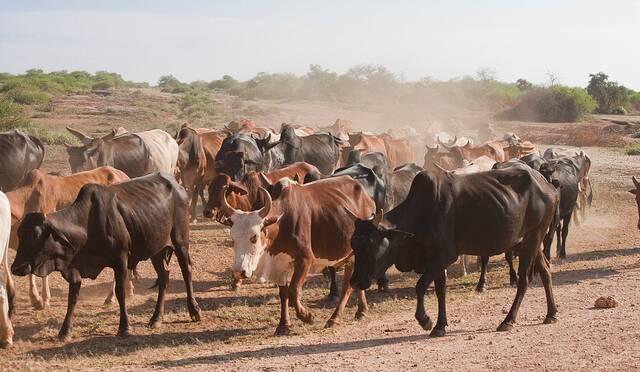
Western Province cattle population drops by 100k

Breaking News Zambia
NewsAccording to the Barotse Rangelands for Restoration […]
According to the Barotse Rangelands for Restoration Project (BR4RP) Rangeland Management Plan Validation Workshop report, Western province’s cattle population has declined from about 700,000 in 2006 to approximately 580,000 between 2023 and 2026.
The report seen by the Zambian Business Times (ZBT) revealed that the decline is being driven by several challenges facing the farmers, including livestock diseases. The report further shows that deteriorating grazing land, drought, climate change, limited extension services, high cattle deaths, over 85% liver condemnations, and weak markets have all contributed to the shrinking herd.
Speaking in an interview with Zambian Business Times (ZBT), agriculture expert Dr. Oliver Bulaya described the figures as “alarming,” revealing that Western Province has continued to suffer repeated disease outbreaks and harsh weather conditions. “These figures are alarming in the sense that we’ve had a lot of diseases attacking the livestock sector in Western Province, and this has been exacerbated by issues of climate change,” said Dr. Bulaya.
He added that if you drive in extreme seasons where there’s been no rainfall, you’ll see a lot of animals die along the road, and this is one of the challenges that the province has been affected by.
However, Dr. Bulaya warned that the continued loss of cattle threatens Zambia’s economy because livestock contributes significantly to Gross Domestic Product (GDP) while supporting the country’s growing beef export market.
“Livestock is a major contributor in terms of GDP, and this is alarming if no measures are taken to ensure that there is control in this aspect,” he said. Dr. Bulaya told ZBT that the combination of degraded rangelands, declining productivity, and rising rural poverty is making it increasingly difficult for livestock farmers to recover from repeated shocks.
“Sustainable rangeland management cannot be achieved by institutions working in isolation because it requires government, traditional leaders, the private sector, development partners, and local communities working together towards a shared vision,” Dr. Bulaya emphasized.
Article by Philip Sinkala



Community Feedback