
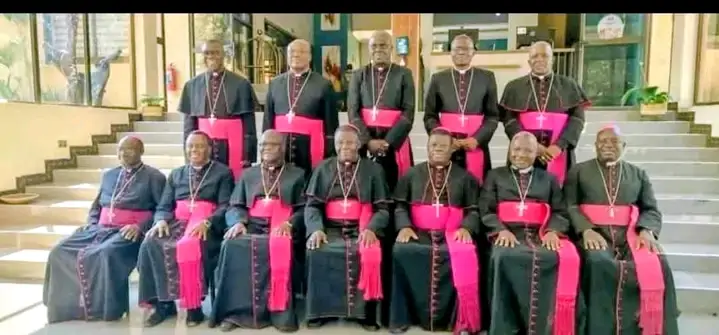
State House Responds to Catholic Bishops Pastoral Letter, Defends Governance Record

Breaking News Zambia
NewsState House Responds to ZCCB Pastoral Letter, Defends Governance Record State House has issued a detailed response to the Zambia Conference of Catholic Bishops’ (ZCCB) pastoral statement of September 30, arguing that while the Church’s contribution to national discourse is respected, some aspects of the bishops’ message risk presenting an exaggerated picture of the country’s […]
State House Responds to ZCCB Pastoral Letter, Defends Governance Record
State House has issued a detailed response to the Zambia Conference of Catholic Bishops’ (ZCCB) pastoral statement of September 30, arguing that while the Church’s contribution to national discourse is respected, some aspects of the bishops’ message risk presenting an exaggerated picture of the country’s political and governance environment.
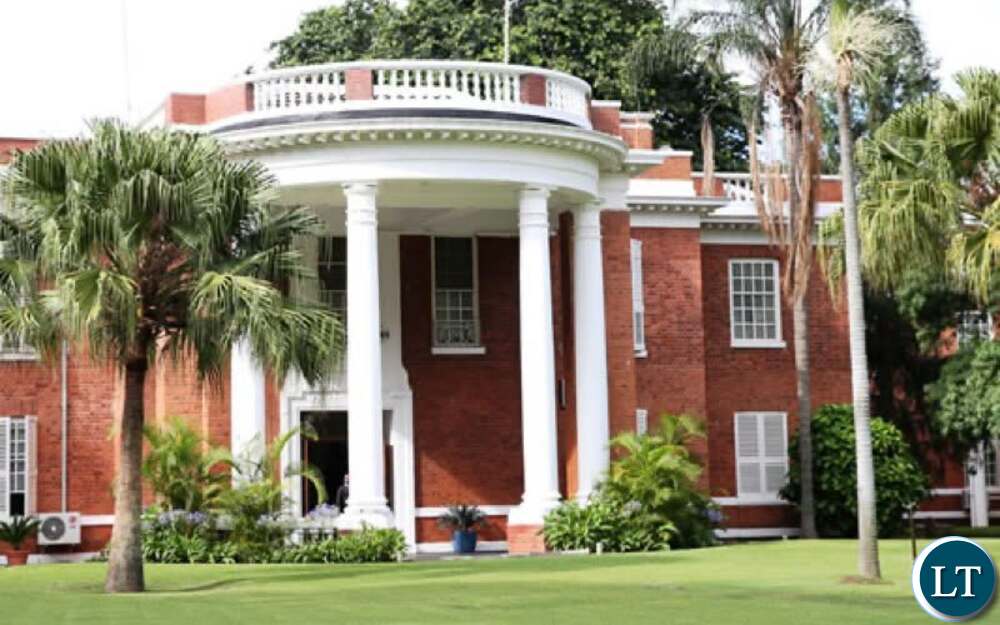
In a press release issued through the State House Press and Public Relations Office, Chief Communications Specialist Clayson Hamasaka said the government welcomes the bishops’ stated commitment to non-partisanship but expressed concern that sections of the pastoral letter closely mirror opposition narratives.
The response contends that references to growing fear, democratic decline and national instability do not sufficiently acknowledge the democratic mandate granted by citizens through the ballot. According to State House, broad claims about a deteriorating political environment should be supported by clear evidence and context.
Addressing the bishops’ concerns over political polarisation and ethnicity, the government reiterated its rejection of tribalism in all forms. However, it argued that assertions of increasing ethnic manipulation require substantiation and a comparative basis, warning that unsupported claims could deepen divisions and mistrust.
On electoral matters, State House maintained that concerns regarding election credibility must be addressed through appropriate institutions and backed by evidence. The statement noted that electoral grievances deserve investigation but cautioned that generalised allegations questioning the legitimacy of election outcomes could undermine public confidence in democratic processes and disregard the choices made by voters.
The government also responded to issues surrounding access to justice, political participation and recent arrests. State House stressed that lawful accountability measures should be distinguished from political persecution, noting that an arrest in itself neither establishes guilt nor constitutes evidence of victimisation. Allegations of unlawful detention or abuse, it said, should be examined individually through established legal procedures.
The statement further rejected suggestions that Zambia is under widespread military control or experiencing a level of insecurity that would justify such characterisations. Constitutional and governance concerns, it argued, should be managed through existing legal and constitutional mechanisms rather than through narratives that may heighten public anxiety.
While welcoming the bishops’ call for dialogue, State House said engagement among citizens and institutions must respect the verdict of the electorate. It emphasised that cooperation, reconciliation and national unity should be pursued within the framework of democratic principles and the rule of law.
The government also endorsed proposals relating to civic education, institutional accountability and national reconciliation, describing them as areas where constructive collaboration can take place. It stressed, however, that such efforts must be grounded in verified facts and respect for the independence of public institutions.
In a notable section of the response, State House raised concerns about the timing of the pastoral statement in relation to ongoing court proceedings involving a prominent member of the clergy. While acknowledging that timing alone does not suggest an intention to influence judicial processes, the government argued that references to widespread fear and institutional failure could shape public opinion around matters that require independent determination by the courts.
The statement concluded by reaffirming the need to protect the dignity, presumption of innocence and fair trial rights of accused persons while safeguarding the independence of investigators, prosecutors and judicial officers
State House called on both public institutions and faith-based organisations to promote peace, moderation and responsible public discourse, stating that Zambia’s collective responsibility is to uphold truth, respect the democratic will of citizens and ensure equal justice for all.



Community Feedback