
Stakeholders Press Hichilema For Inclusive Cabinet As Selection Drags On

Breaking News Zambia
Top StoriesPresident Hakainde Hichilema has yet to name his Cabinet more than a week after being sworn in for a second term, with civil society groups, governance advocates and disability and gender lobbies pressing him to build a team that reflects Zambia’s regional, gender and social…
President Hakainde Hichilema has yet to name his Cabinet more than a week after being sworn in for a second term, with civil society groups, governance advocates and disability and gender lobbies pressing him to build a team that reflects Zambia’s regional, gender and social diversity.
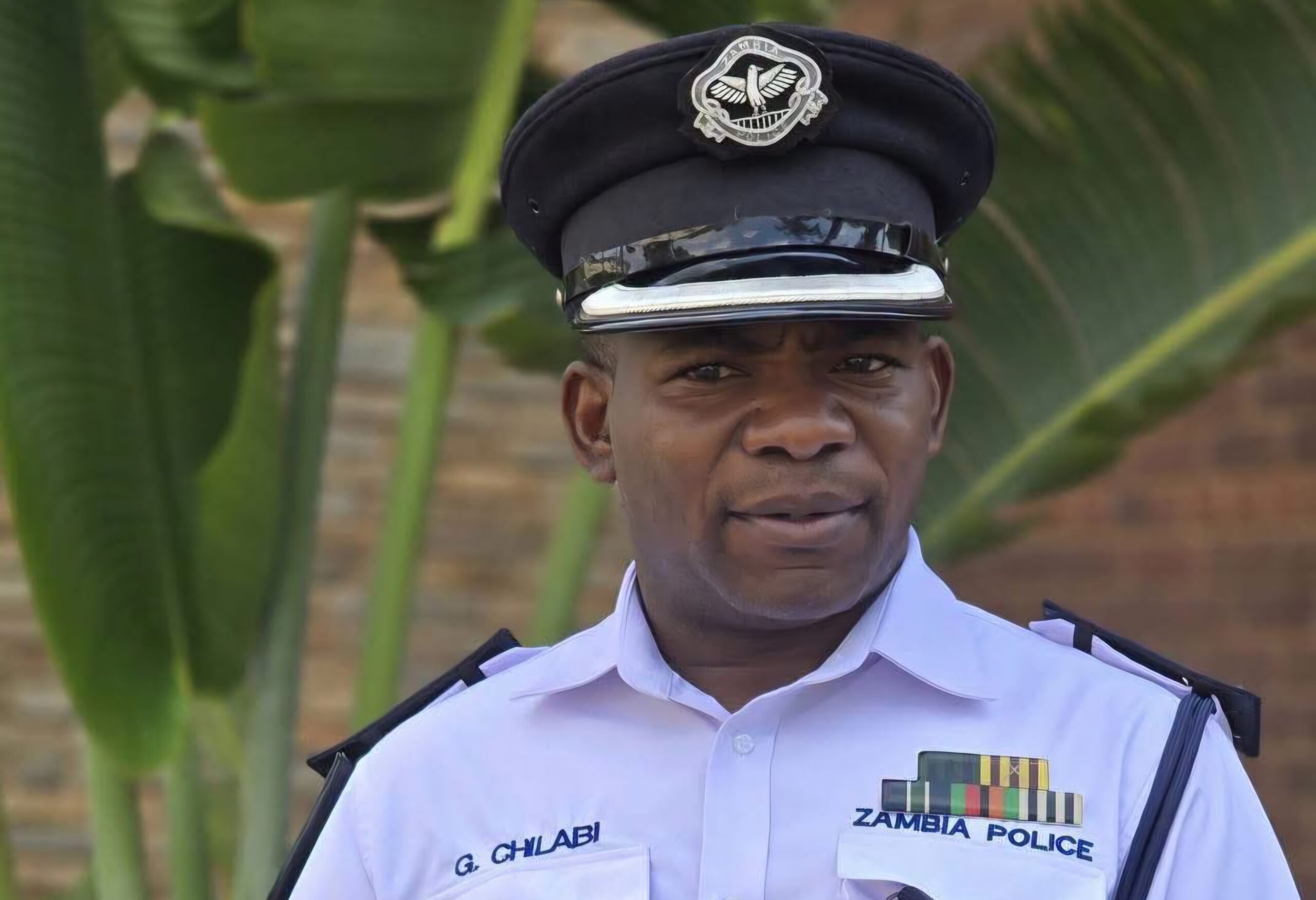
State House has confirmed the delay is deliberate. Chief Communications Specialist Clayson Hamasaka said the President is taking time to “meticulously construct his team,” a line that has done little to calm public speculation, with lists of possible appointees circulating daily on social media.
The pressure is coming from several directions at once. The Independent Churches of Zambia wants an all-inclusive team of “honest, hard-working and God-fearing individuals.” President David Masupa said the expanded Parliament, now 224 members strong, gives the President a wider pool of candidates than at any point since independence.
Disability groups have made the sharpest appeal. Disability Rights Watch coordinator Bruce Chooma said the President has “never had an opportunity since independence” to build a truly inclusive Cabinet, and urged him to consider appointing a person with a disability to a portfolio such as Community Development and Social Services. He also pushed for a young minister to head youth affairs, arguing the current arrangement leaves the docket without anyone close to the age group it serves.
The GEARS Initiative struck a similar note. Chairperson Lackson Lungu said the new administration’s economic approach demands ministers with the skills and experience to convert the Grow Zambia Agenda’s targets into results, rather than officials chosen on other grounds.
Gender balance has emerged as a parallel demand. The Non-Governmental Gender Organisations’ Coordinating Council wants a 50-50 Cabinet. Executive director Anne Mbewe-Anamela said equal representation would ensure the concerns of men and women are weighed equally in policy, and called for women to be placed in health, education and social protection portfolios rather than symbolic roles.
Governance advocate Ngande Mwanajiti expressed confidence the new Cabinet would maintain regional balance, pointing to the composition of the outgoing team as a guide. He said his work on the Bill 7 technical committee was aimed at building a more representative Parliament and strengthening public participation in governance more broadly.
Acton Institute for Policy Analysis Centre executive director Solomon Ngoma used the moment to revive an older argument, calling for the reintroduction of deputy ministers. He dismissed claims that the posts would strain the budget, saying his organisation’s own findings show such objections are political rather than evidence-based, and urged MPs to table a bill on the matter in the next sitting of Parliament.
Not every voice has focused on structure. Former Secretary to the Cabinet Leslie Mbula urged the President to prioritise integrity and long-serving competence over political convenience. Politician Wynter Kabimba called for a team capable of delivering on the growth and job-creation promises at the centre of the Grow Zambia Agenda, while governance analyst Teddy Mwansa said the stakes are higher this term because the job itself has changed.
“We all now know the first four years focused on fixing debt, stabilising macroeconomics and restoring international trust,” Mwansa said. “But this new phase requires ministers who can push aggressive economic growth, job creation and investment.”
That shift, from stabilisation to execution, is what most observers say will define the selection. The President has said the next Cabinet must help push production toward three million tonnes of copper, ten million tonnes of maize and 10,000 megawatts of electricity, alongside targets for tourism, soya, wheat, sugar and beef exports. Ministers will be expected to show a record of turning policy into delivery rather than managing existing programmes.
Mwanajiti said the previous administration built a team around merit, competence, a proven track record and regional balance, and argued the same approach should guide the current selection. He noted that Zambia’s diversity is a strength only if citizens can see it reflected in the people who govern them.
State House has signalled that underperformance will not be tolerated once the team is in place. Officials close to the process describe the incoming Cabinet as a performance contract rather than a reward for loyalty, with ministers expected to be replaced if they fail to deliver against the targets set for their portfolios.
For now, the country waits. With Parliament newly sworn in and the President’s own manifesto commitments already public, the composition of the Cabinet will be the clearest early signal of how the second term is meant to differ from the first.





Community Feedback