
Correctional Service Denies Blocking Lawyers As Treason Detainees’ Access Dispute Deepens

Breaking News Zambia
Top StoriesA dispute over whether lawyers representing detained opposition leader Brian Mundubile and his co-accused have been denied access to their clients has widened, with the Zambia Correctional Service (ZCS) insisting no one was turned away improperly, while the accused’s legal team…
A dispute over whether lawyers representing detained opposition leader Brian Mundubile and his co-accused have been denied access to their clients has widened, with the Zambia Correctional Service (ZCS) insisting no one was turned away improperly, while the accused’s legal team maintains they were barred on instructions from unnamed “powers that be.”
Lawyer Chifumu Banda, part of the defence team, said he and colleagues were shocked to find themselves blocked from seeing Mr Mundubile and running mate Makebi Zulu at Mukobeko Maximum Security Correctional Facility, roughly two hours from Lusaka. He said correctional officers told the team that clear instructions had come from above, without identifying who had issued them.
“We do not know who gave the directive, but what we have been told is that the directive has been given by the powers that be,” Banda said. He described the situation as “the worst form of injustice,” arguing that legal representation is a right, not a privilege subject to discretion.
Banda said senior lawyer Sakwiba Sikota, also part of the defence team, was separately denied access when he attempted to visit the detainees. Banda said the team would consider further options if the situation continued, without specifying what those options might involve.
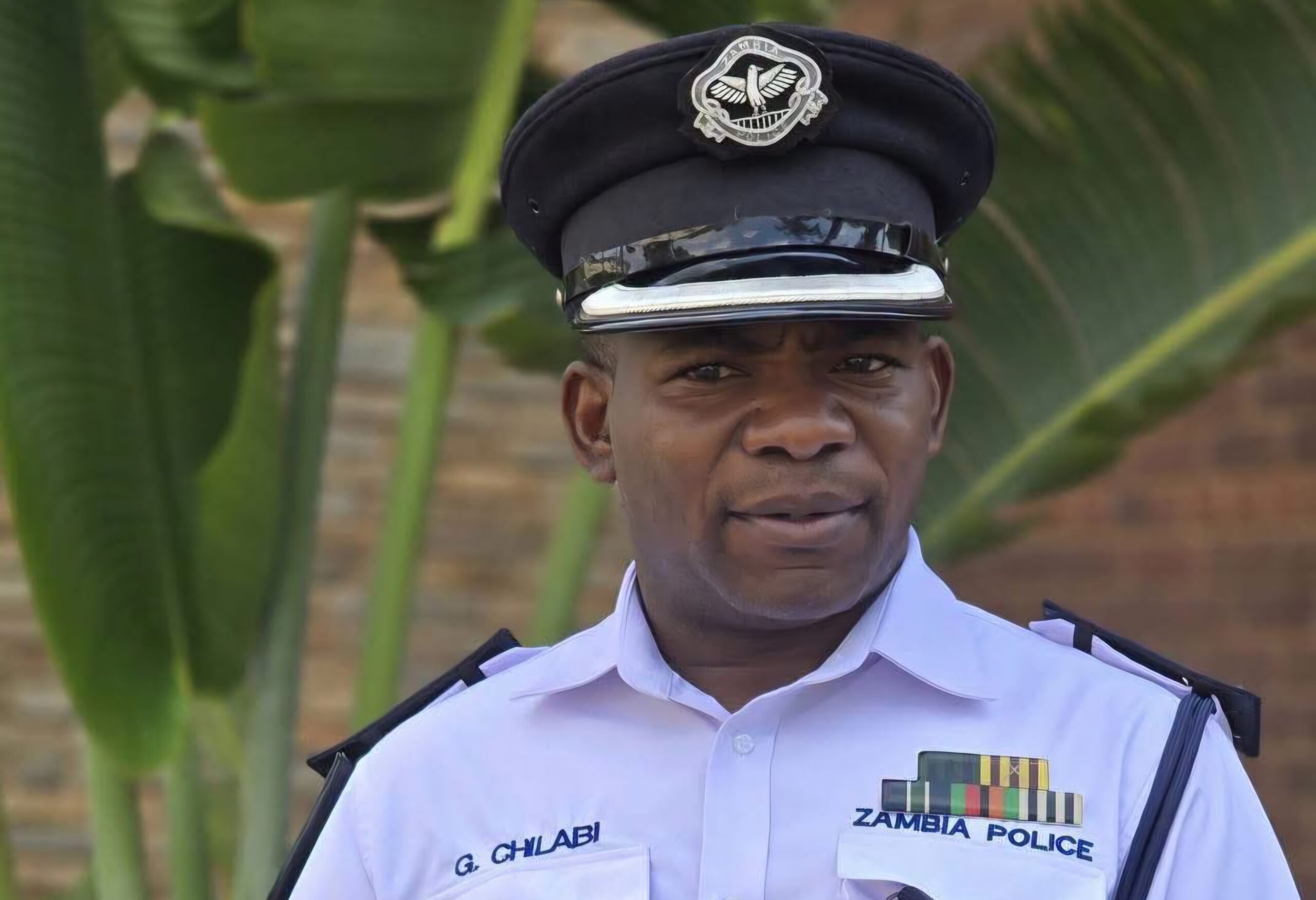
ZCS head of public relations Cornelius Mwanza rejected the characterisation, saying the service has never denied lawyers access to their clients. He said all visits to correctional facilities are subject to established identity verification and security procedures that apply equally to every visitor.
“In this particular case, some of the lawyers who presented themselves for the visit did not have the required documentation and were therefore requested to return with the necessary documentation,” Mwanza said. He said lawyers who met the requirements were allowed to proceed, and that those who did not meet the documentation standard left before the standard screening process for other visitors could be completed.
Mwanza said the procedures exist to protect both inmates and legal professionals from potential misconduct or exploitation, and are not designed to be punitive.
The dispute sits inside a wider case that has drawn national attention since mid-August. Mundubile, the presidential candidate for the National Reconciliation Party for Unity and Prosperity (NRPUP), and Zulu, his running mate, are among 18 people facing treason charges following a security operation at a Kabulonga property linked to Mundubile on August 14. Former Cabinet minister Mutotwe Kafwaya was fatally shot during that operation. Also charged are Tonse-Pamodzi Alliance spokesperson George Chisanga, retired Anglican Bishop Trevor Mwamba, Patrick Mwansa, and businessman Harry Valden Findlay, among others.
Police allege a conspiracy to overthrow the Government by unlawful means, citing weapons, ammunition and preparations for an armed insurrection. Mundubile and Zulu were formally charged at the end of August and transferred to Mukobeko along with others. Reports earlier this month indicated the accused had not yet appeared in court on the treason charge itself.
Constitutional lawyer Cephas Lumina has argued that serious allegations do not suspend constitutional protections. He pointed to Article 13, which permits arrest on reasonable suspicion but requires anyone not released to be brought before a court “without undue delay,” and Article 18, which guarantees a fair hearing, the presumption of innocence, and legal representation.
Lumina said access to counsel is a right rather than a favour, citing Section 33 of the Zambia Correctional Service Act, 2021, which requires inmates be given facilities to consult a legal adviser without undue delay and in full confidentiality. He said the Legal Aid Act, 2021 reinforces the same obligation on correctional officers.
He drew on international precedent to make his case, referencing Article 9 of the International Covenant on Civil and Political Rights, binding on Zambia, and the UN Human Rights Committee’s position that detention must be reasonable, necessary and proportionate, not simply lawful in form. He also cited Parekh v The People (1995), in which the Supreme Court held that unreasonably delayed trials entitle an accused person to what the court called “constitutional bail,” and Okello v Uganda (2012), where a Ugandan court granted bail to a treason suspect held more than 11 months without trial.
Lumina said the concern is not whether the state has the right to investigate treason, but whether continued detention without judicial oversight and confidential access to lawyers remains within constitutional bounds. He said delayed court appearances, restricted lawyer access and restricted family contact occurring together raise more serious concerns about arbitrary or incommunicado detention.
Catholic clergy Father Gladson Phiri offered a different framing of the dispute, saying the detention of Mundubile and Zulu reflects the operation of the law rather than any personal vindictiveness on the part of President Hakainde Hichilema. He urged Zambians to separate the President as an individual from the office he holds, saying the law, not Hichilema personally, is directing the process.
Phiri said the NRPUP leadership’s decision to announce it had won the August 13 election before the Electoral Commission of Zambia had completed its own declaration was a mistake that contributed to the current tensions. He called for a truth and reconciliation process involving the church and political leaders to address the underlying grievances.
Senior Chief Sandwe of the Nsenga people in Eastern Province took a different view, calling for the release of the treason detainees on the grounds that the timing of the arrests raises questions. He said if Government had prior knowledge of an alleged plot to train militias in 2023, it should have acted before the election rather than after.
“I’m not convinced that there are any treason charges here because the timing was just wrong and off,” Chief Sandwe said, while stressing his comments reflected personal opinion.
The Human Rights Commission has separately called on police and prosecutors to either charge, grant bond to, or release election-related detainees, and has raised concerns about prolonged detention and restricted access to lawyers and families. The Commission’s position stops short of commenting on guilt or innocence, focusing instead on procedural and constitutional questions.




Community Feedback