
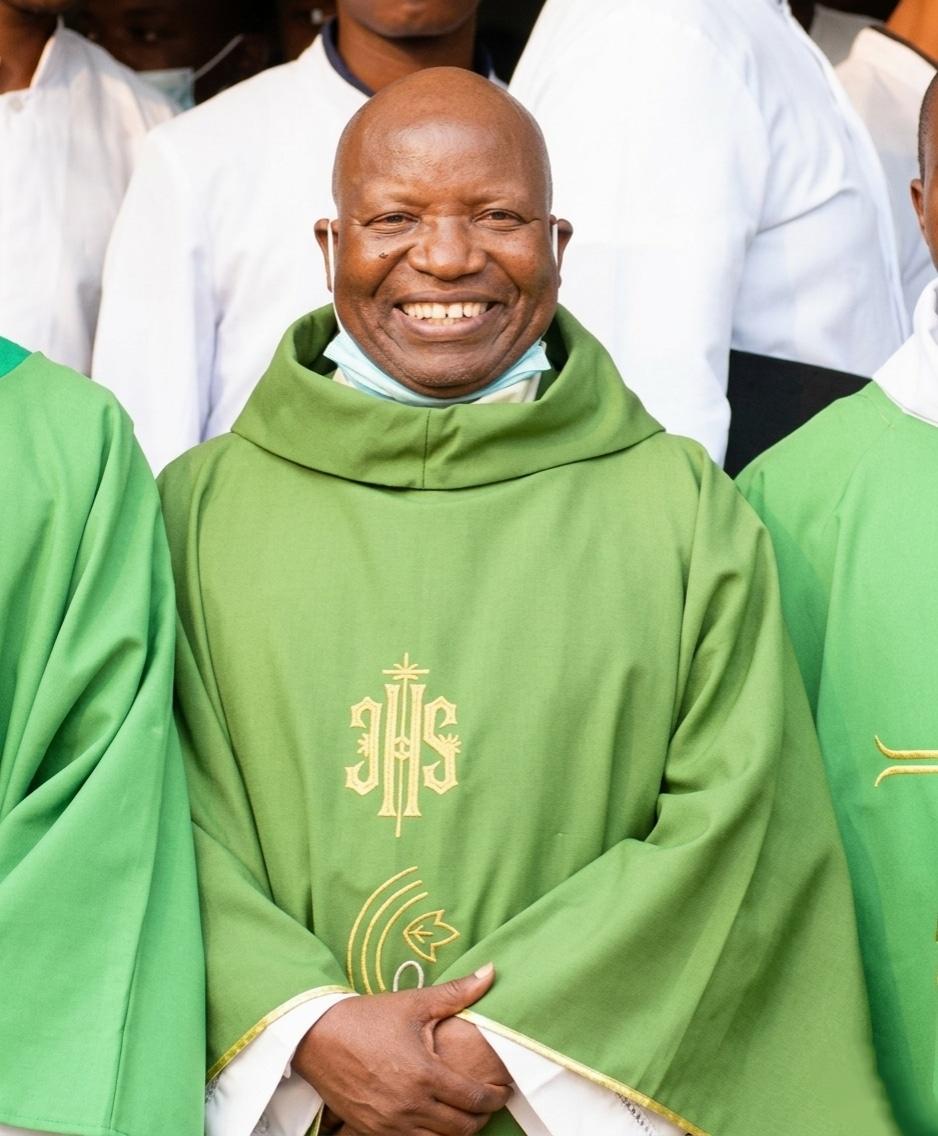
Speaking for justice and the weak should not attract intimidation – Caritas Zambia

Breaking News Zambia
NewsCaritas Zambia has expressed concern that fear […]
Caritas Zambia has expressed concern that fear of arrest or intimidation is making some people reluctant to speak openly about justice, governance and the treatment of vulnerable people in the country.
Speaking in an interview with Zambian Business Times-ZBT, Caritas Zambia Executive Director, Fr. Gabriel Mapulanga said people should not be afraid to speak when their concerns are about justice and the fair treatment of others.
“If you are speaking about justice or speaking for people and fairly treated, and if you speak in a manner that is good, you are not insulting anyone and you are concerned about protecting those who are weak, you cannot be scared of speaking,” said Fr. Mapulanga.
The clergy added that the fear becomes stronger when citizens see other people being arrested over statements they have made, regardless of whether those statements were ultimately found to be lawful or unlawful.
“People are seeing people who are being arrested for what they have said, and many people have that genuine fear that they can come for you, and if they come for you, whether you are right or not, they can put you in jail,” he said.
Fr. Mapulanga explained that such fear can prevent citizens from raising concerns about problems in society, particularly when they believe that their criticism may attract consequences beyond public debate.
“But if you are pointing out something that is not proper and saying these things are happening and they are not helpful to the society, and there are questions and no proper answers are given, people will continue talking because they are not convinced,” he said.
Fr Mapulanga said continued public discussion is necessary because criticism can help both those in authority and those outside government identify problems and improve governance.
“If we want to work for justice and improve the governance of this society, we really need to continue speaking so that the correct thing is done, and it is helpful for those who are ruling as well as those who do not have power,” he said.
Fr. Mapulanga stated that citizens should nevertheless exercise responsibility when speaking, particularly where comments could threaten public peace or cross the boundaries established by the law.
“You only have to be scared if you are saying things that are out of this world, but to say that we have a problem in the way things are and to speak about the way people are thinking and the way elections went on, I think it is not a problem,” he said.
Fr Mapulanga indicated that the perception of arrests linked to political expression can further deepen fear among citizens, making it important for authorities to ensure that lawful criticism is distinguished from conduct that constitutes an offence.
Article by Philip Sinkala


Community Feedback