
Should Zambia focus on increasing copper production to 3m or shift focus to value addition?

Breaking News Zambia
NewsAs Zambia targets to increasing mineral output, […]
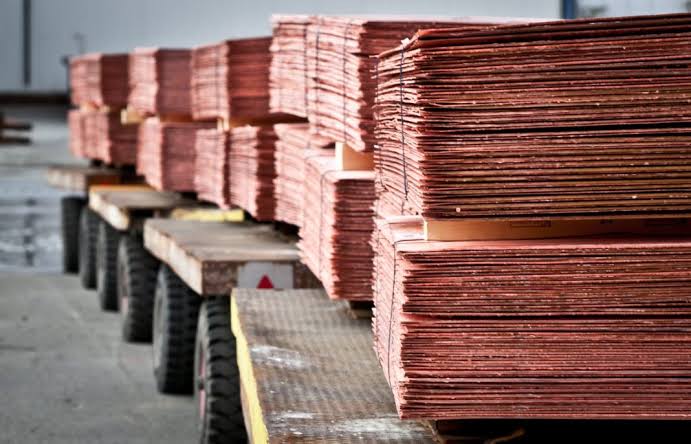
As Zambia targets to increasing mineral output, specifically copper production to one million metric tonnes by the end of 2026 and three million metric tonnes by 2031, questions are mounting over the country’s long-term strategy after analyses revealed that value addition to copper could boost export earnings by more than ten times.
Critical questions remain on whether Zambia should continue to focus on ramping up raw copper output, or is it time to prioritize value addition, a strategy that, according to industry experts, could dramatically multiply both export revenues and industrial growth.
Analysts point out that fully processing copper locally can dramatically enhance the economic value of the country’s mineral exports with estimates suggesting that value addition can boost Zambia’s export earnings and industrial growth by up to ten times or more, compared to exporting raw or semi-processed copper cathodes alone.
Speaking in an exclusive interview with the Zambian Business Times (ZBT), Mining expert Edward Simukonda argued that a deliberate shift toward value addition could be the catalyst for sustained economic transformation, generating more jobs, supporting local industries, and retaining greater wealth within the country.
Simukonda emphasized that value addition is a critical economic strategy that should have been adopted much earlier. “Regrettably, this has not been the case.”
He noted that if mineral-producing nations like Zambia had embraced value addition from the outset, the economic landscape would be markedly different, adding that by processing raw materials locally, Zambia could have positioned itself more favorably and unlocked greater developmental benefits.
Simukonda said the importance of value addition cannot be overstated as it brings increased national income, drives development, creates employment, and stimulates the growth of local industries and projects.
“Countries such as Singapore and China have transformed their economies through value addition, elevating themselves from developing nations to global economic powerhouses.”
“From a patriotic perspective, prioritizing value addition offers more immediate and far-reaching benefits. It would lead to job creation, local manufacturing of critical components like spare parts, and the emergence of industries such as wire production. This would reduce reliance on imports and enable Zambia to export finished goods rather than raw materials.”
Simukonda noted that the debate over achieving targets like 3 million metric tons of copper production is misplaced if the benefits do not accrue to Zambians. With limited local ownership in major mining companies, most profits leave the country, while Zambians remain minority shareholders.
True national pride and sustainable development will come when indigenous mines, fully owned and operated by Zambians, achieve significant production milestones and add value to their output.
“The mining sector’s current structure, dominated by foreign interests, results in the export of both resources and employment opportunities. Zambia must shift its focus to developing local, wholly-owned mines and processing facilities. This change in mindset and approach is essential for long-term prosperity, especially since mineral resources are finite and, once depleted, cannot be replaced.” He noted that despite arguments about limited capacity for value addition, Zambia possesses the necessary potential.
“Recent increases in government funding, such as the Constituency Development Fund (CDF), demonstrate that financial resources exist. With political will and proper allocation of these funds towards value addition in mining, Zambia can accelerate its economic development far beyond its current “snail’s pace.”
Simukonda added that by prioritizing value addition in its mining sector and supporting local ownership, the country can secure greater national wealth, create jobs, and ensure a sustainable future.
He further called on the government to leverage available resources, shift mindsets, and invest in value addition to unlock Zambia’s full economic potential.
Article by Tyndale Muchiya




Community Feedback