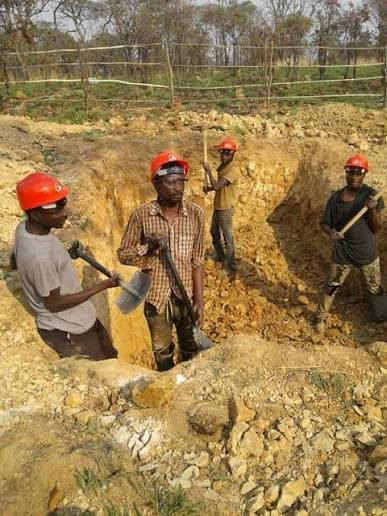
Should large-scale mines continue exporting acid amid a severe shortage for local small-scale miners?

Breaking News Zambia
NewsGovernment insiders have attributed the recent 35 […]
Government insiders have attributed the recent 35 percent decline in copper production among small-scale miners to a severe domestic acid shortage exacerbated by some large-scale mines prioritizing sulfuric acid exports over local supply.
In the first half of 2026, smallscale miners contributed only about 6 percent to Zambia’s total copper production, producing approximately only 27,000 metric tonnes, a significant drop from the over 41,000 tonnes recorded during the same period in 2025. In contrast, large-scale mining companies produced over 420,000 metric tonnes of copper from January to June 2026.
This marks a 4 percent increase from 404,000 metric tonnes in the first half of 2025 and accounts for around 93 percent of the country’s total copper output of more than 447,000 metric tonnes. According to government officials, the primary reason for the decline is a shortage in the domestic supply of sulfuric acid.
“The biggest contributing factor is the limited availability of sulfuric acid,” one official confirmed. Officials also noted that copper production among small-scale miners has drastically reduced, citing the acid shortage and issues of regulatory non-compliance as the main challenges faced by the sector.
This comes nearly a month after, the United Mineworkers Union of Zambia (UMUZ) warned that several small-scale mining companies were on the brink of shutting down operations as a result of the ongoing sulphuric acid shortage, which had been exacerbated by continued exports by major producers, who are mainly the large scale copper mines producing as a by-product.
The small-scale mining sector has now continued facing a significant challenge due to the scarcity of sulphuric acid, a critical reagent needed for processing copper ore using leaching methods. Speaking in an interview with the Zambian Business Times – ZBT, UMUZ President Yosam Nyirongo, had bemoaned that despite the existence of local acid production, majority of this acid is being exported, leaving the domestic market underserved.
He had told ZBT that recent reports also indicate that some companies are on the verge of shutting down operations because of the persistent acid shortage. Nyirongo argued that the government should prioritize local demand and impose an immediate ban on acid exports until domestic needs are fully met.
“We should only consider exporting acid after satisfying the local market,” one industry representative stated. “If local miners have adequate access to acid and can process ore efficiently, the country can realize its targeted copper production.”
He said large-scale mining firms such as Chambishi Copper Smelter (CCS), Mopani, and KCM are currently producing sulphuric acid as a byproduct of smelting, using environmentally friendly methods that convert sulphur dioxide emissions into acid. While these large firms generate acid, smaller mines depend on its availability to process ore from dump sites and tailings.
He, however, said the ongoing acid shortage threatens the sustainability of small-scale mining operations, which are vital to the economy and support many families. Nyirongo said prolonged scarcity could result in the closure of these businesses, leading to significant job losses and reduced government revenues.
“Sulphuric acid is essential in ore processing, especially for smallscale miners who use leaching methods. Larger mines, such as Chambishi Copper Smelter (CCS), Mopani, and KCM, actually produce acid as a byproduct of smelting, using environmentally-friendly technology to convert sulphur dioxide emissions into acid. Small mines, however, depend on this acid to treat ore and mine dump tailings, without it, processing grinds to a halt.”
“If this shortage continues, the consequences will be severe. Small-scale miners, who form the backbone of our economy and support many families, face closure. This means job losses, increased unemployment, and a loss of vital government revenue. It could also drive away foreign investment, further harming the nation’s economic prospects. The government must act now to prioritize local needs, protect jobs, and ensure the continued growth of the mining sector.” Nyirongo concluded.
Article by ZBT Analyst





Community Feedback