Rising electricity costs driving charcoal prices higher—ZACA

Breaking News Zambia
NewsThe Zambia Consumer Association (ZACA) has attributed […]
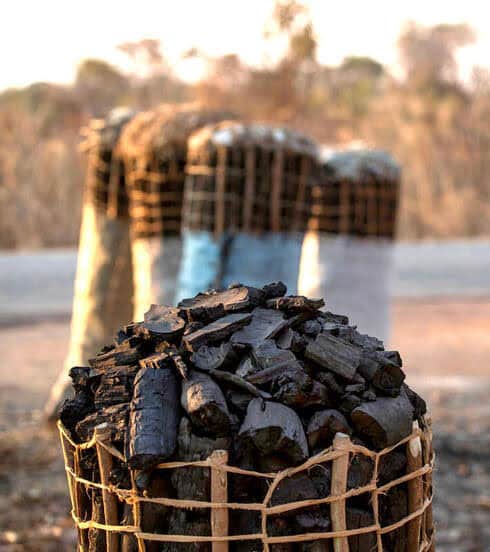
The Zambia Consumer Association (ZACA) has attributed the sharp rise in charcoal prices, particularly in urban areas, to increasing electricity costs, growing demand for alternative energy sources, and high transportation expenses.
Speaking in an interview with Zambian Business TimesZBT, ZACA Executive Secretary Juba Sakala said the significant difference in charcoal prices between charcoal-producing districts and major cities reflects transport costs and changing consumer behavior.
His remarks follow the latest Zambia Statistics Agency ZamStats Monthly bulletin, which showed that a 50-kilogramme bag of charcoal was selling for as low as K50 in Lukulu but as high as K355 in Lusaka. Sakala said the cost of transporting charcoal from production areas to urban markets contributes to the price difference but stressed that rising demand is the biggest factor.
“The demand for charcoal is high because electricity has become expensive for many households. As electricity prices rise, more people fall back on charcoal, and when demand increases, prices also go up,” he said.
He noted that many Zambians are unable to afford alternative energy sources such as liquefied petroleum gas (LPG) and solar systems, leaving charcoal as the most accessible option despite its environmental impact. Sakala said reducing charcoal consumption will require making cleaner energy sources more affordable and accessible.
“We need to encourage other sources of energy by making them cheaper. If gas and renewable energy become affordable, people will gradually move away from charcoal,” he said.
He also called for increased public education on the benefits of renewable energy, saying many consumers lack adequate information and continue relying on charcoal because it is the option they know best. Commenting on electricity tariffs, Sakala said the government should urgently address concerns over rising household power costs, noting that many consumers are exhausting prepaid units much faster than before.
He revealed that ZACA participated in a consumer survey conducted in several parts of the country to investigate complaints about electricity consumption but said the findings have not yet been made public.
“We carried out a survey together with other stakeholders, but up to now the findings have not been released. It is difficult to find solutions when such information is not shared,” he said. Sakala urged authorities to publish the report and engage stakeholders in identifying the causes of high electricity consumption and developing practical solutions that would ease the burden on consumers while reducing dependence on charcoal.
By Karen Ngulube






Community Feedback