Reconciliation between whom? Catholic Church enters political argument without common truth

Breaking News Zambia
News🇿🇲 INSIGHT | Reconciliation between whom? Catholic Church enters political argument without common truth A new Catholic voice has entered Zambia’s post-election argument. Bishop George Cosmas Zumaire Lungu of Chipata wants an “informal, private and non-media meeting” with President Hakainde Hichilema and Government representatives over justice, political tolerance and the accessibility of institutions of justice. […]
🇿🇲 INSIGHT | Reconciliation between whom? Catholic Church enters political argument without common truth
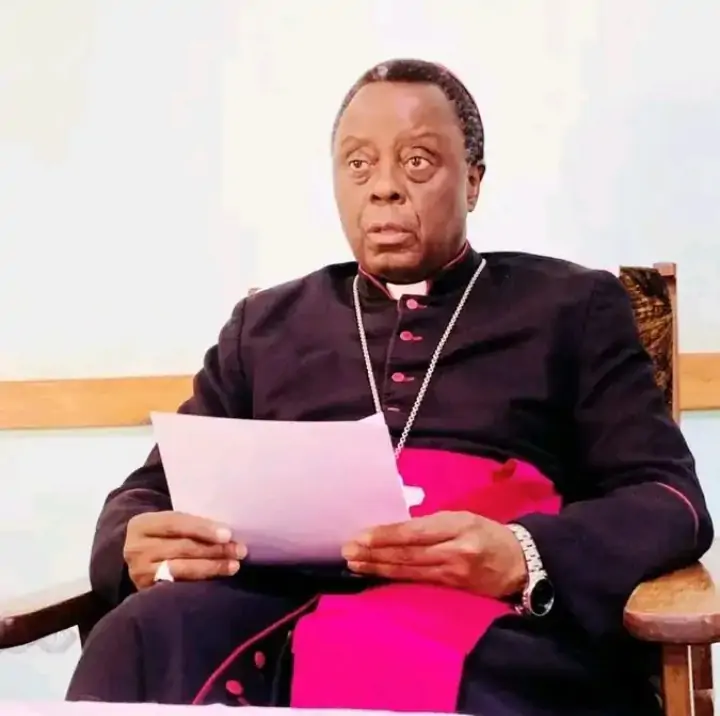
A new Catholic voice has entered Zambia’s post-election argument. Bishop George Cosmas Zumaire Lungu of Chipata wants an “informal, private and non-media meeting” with President Hakainde Hichilema and Government representatives over justice, political tolerance and the accessibility of institutions of justice. His pastoral statement is carefully balanced. “No government is above the Constitution,” he writes. Then comes the counterweight: “No opposition party should place itself above the law.” He also warns the Church must never become “an instrument of opposition politics”. The question is therefore larger than whether Hichilema should accept the invitation.
Reconciliation between whom, and over what?
The messenger is interesting because Bishop Lungu has not been among the dominant episcopal voices in Zambia’s recent political battles. Archbishop Alick Banda of Lusaka and Archbishop Ignatius Chama of Kasama have been far more prominent critics of the Hichilema administration. Banda’s relationship with senior opposition figures was particularly visible before the August election, including his meeting with Brian Mundubile and Makebi Zulu shortly before polling, after which Mundubile publicly thanked him for his “blessings, wisdom and counsel”.
Both senior clerics have been comparatively quiet during the present reconciliation push. Why? We do not know. But their absence raises a harder institutional question: once a religious leader becomes strongly associated in public perception with one political camp, can he still command sufficient confidence across the divide to mediate when conflict arrives?
Bishop Lungu himself identifies a legitimate institutional grievance. Courts were closed on August 24, the final day of the constitutional period for challenging the presidential election result. The Judiciary cited security concerns and authorities denied Hichilema ordered the closure. Lungu does not claim otherwise. “We do not claim to know the motives of every institution or individual involved,” he writes. His question concerns access to justice. It deserves an answer. But the presidential election is constitutionally finished and Hichilema has been sworn in.
Dialogue can examine institutional failures, political tolerance and safeguards for the future. It cannot become an alternative electoral court.
The greater difficulty is Zambia’s information environment. Parts of the opposition network, particularly voices operating from abroad, continue presenting grave allegations about the election, security institutions and Government as established conclusions before the underlying evidence is publicly available. The death of Assistant Superintendent Daniel Banda at Police Service Headquarters provides a striking example. Police say the 53-year-old ballistics officer locked himself inside his office with an AK-47 rifle and pistol, threatened suicide and, after negotiations lasting several hours, “subsequently discharged the firearm, shooting himself in the head”.
Police say investigations have begun and a postmortem is pending.
Emmanuel Mwamba presented a markedly different account. He alleged Banda was an investigator in the Kafwaya case who died “during formal interrogations”, then asked: “Why was teargas used? Why was the door to his office broken? Was he shot or he shot himself?” Those are serious questions if supported by evidence. But Mwamba titled his account “Murder at Zambia Police Service Headquarters” before the questions underneath it had been answered. This is precisely where political communication becomes dangerous.
Mwamba commands a substantial opposition audience, while many Zambians online dismiss his prolific output as propaganda. Neither his critics nor his supporters can establish how Banda died by repetition. Why declare murder while simultaneously asking whether the man shot himself? Police must account fully for an extraordinary death inside their own headquarters. Mwamba must equally account for the evidentiary basis of allegations he presents to the public.
The same standard should govern the cases surrounding Mundubile, Makebi and other detainees. Their political positions do not diminish their rights to humane treatment, lawyers, due process and the presumption of innocence. Government carries the burden of proving criminal allegations in court. International concern over transparency and due process, including questions surrounding Mutotwe Kafwaya’s death, should therefore be taken seriously.
But reconciliation cannot determine criminal guilt. A President cannot become a substitute court because accused persons are politicians. Political status should neither create immunity from prosecution nor become a shortcut to prosecution.
Bishop Lungu’s intervention consequently turns the mirror towards the Church itself. Chilufya Tayali, an opposition politician, makes a useful point in his response: “The Church must correct Government when Government is wrong. But the Church must equally correct opposition leaders, political activists and citizens when we are wrong.”
Bishop Lungu effectively agrees, saying the Church must speak to “government and opposition alike”. This is the test. Can Catholic leaders challenge excessive State power while confronting tribal rhetoric, threats and misinformation from Government opponents with equal force? Can they defend opposition rights while accepting the State has a lawful responsibility to investigate genuine security threats? Moral authority becomes useful in mediation only when both sides believe the mediator will tell them uncomfortable truths.
Perhaps this is why Bishop Lungu’s relatively fresh voice matters. Zambia is not confronting one dispute capable of resolution around a State House table. There are questions about access to courts. There are criminal proceedings.
There is Kafwaya’s unresolved death. There is now Banda’s death. There is an aggressive information war and a wider argument over political tolerance. Some matters require dialogue. Others require investigation. Criminal allegations belong before courts. Bishop Lungu writes: “Forgiveness requires truth. Reconciliation requires justice.”
This may be the most important sentence in his statement. Government must account for its exercise of power. Opposition actors must account for their allegations.
The Church must account for its neutrality. Before Zambia asks who should reconcile, it must establish what exactly needs reconciliation and what simply needs evidence.
-The People’s Brief | Ollus R. Ndomu


Community Feedback