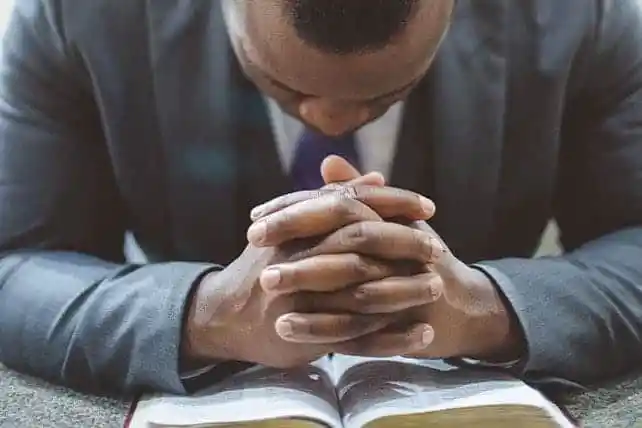
How to Prepare for a Job Interview When You Have Never Worked Before

Breaking News Zambia
NewsGetting invited to a job interview can be exciting and frightening, especially when you have never had a formal job before. You may be wondering what to say when the interviewer asks about your experience, how to answer questions about your previous employment or how to convince an employer to hire you when another candidate […]
Getting invited to a job interview can be exciting and frightening, especially when you have never had a formal job before.
You may be wondering what to say when the interviewer asks about your experience, how to answer questions about your previous employment or how to convince an employer to hire you when another candidate has already worked in the same field.
The good news is that having no formal work experience does not mean you have nothing to offer.
Employers hiring entry-level candidates understand that many applicants are looking for their first opportunity. What they want to see is whether you are prepared, willing to learn, reliable and capable of handling responsibility.
The first step is to research the company before the interview. Find out what the organisation does, what products or services it offers and, if possible, learn about the position you have applied for.
You should also read the job description carefully. Identify the skills and qualities the employer is looking for and think about situations from school, university, volunteering, community activities, internships, church or youth organisations, sports teams or personal projects where you demonstrated those qualities.
For example, if the job requires teamwork, you can talk about working with classmates on a school project or being part of a sports team. If the position requires leadership, you can explain how you organised an activity or took responsibility for a group assignment.
These experiences may not be formal employment, but they can demonstrate valuable workplace skills.
One of the most important questions you should prepare for is: “Tell us about yourself.”
Do not respond by simply saying that you have never worked before.
Instead, introduce yourself briefly, explain your educational background or relevant training, mention your strengths and then explain why you are interested in the position.
You should also prepare for the question: “Why should we hire you when you have no experience?”
The strongest answer is not to pretend that you have experience.
Be honest, but focus on what you can bring to the organisation. You can explain that while this would be your first formal job, you are willing to learn, take instructions, work hard and develop the skills required for the position.
Another common question is: “What are your strengths?”
Choose two or three genuine strengths that are relevant to the job. For example, you might describe yourself as organised, dependable, a quick learner, a good communicator or someone who works well with others.
Avoid simply listing impressive words without examples.
If you say you are organised, explain briefly how you have demonstrated that quality.
You should also prepare for questions about your weaknesses.
Do not claim that you have no weaknesses. Everyone has areas they need to improve.
Instead, identify a genuine but manageable weakness and explain what you are doing to improve it.
For example, if you sometimes become nervous when speaking in front of people, you can explain that you have been deliberately practising presentations and participating more in discussions.
Before the interview, practise answering questions out loud.
You do not need to memorise every answer word-for-word. In fact, doing so can make you sound unnatural.
Instead, practise explaining your experiences and abilities clearly so that you become comfortable talking about yourself.
It is also useful to prepare questions to ask the interviewer.
Asking thoughtful questions can demonstrate that you are genuinely interested in the position.
You could ask what a typical day in the role looks like, what skills are most important for someone starting in the position or what training is provided to new employees.
Your appearance also matters.
You do not necessarily need expensive clothes to attend an interview. What matters most is looking clean, neat and appropriately dressed for the organisation and position.
Plan your outfit before the day of the interview so that you are not rushing at the last minute.
Looking for the latest sports odds and markets? Check them out here.
You should also plan your journey.
Find out exactly where the interview will take place and how long it will take you to get there. Aim to arrive early rather than exactly at the scheduled time.
Being late for your first meeting with a potential employer can create a poor first impression.
During the interview, pay attention to your body language.
Sit comfortably, maintain appropriate eye contact, listen carefully and avoid constantly looking at your phone or appearing distracted.
If you do not understand a question, it is perfectly acceptable to politely ask the interviewer to repeat or clarify it.
You should also avoid pretending to know something that you do not know.
For a first-time job seeker, saying “I don’t know that yet, but I am willing to learn” can be much better than giving a confident but incorrect answer.
Remember that an interview is not only an examination of your qualifications.
It is also an opportunity for the employer to understand your attitude, communication skills, confidence and willingness to learn.
Your lack of experience can actually be presented positively if you approach it correctly.
You may not have years of workplace experience, but you can demonstrate punctuality through your preparation, responsibility through your previous activities, teamwork through school or community projects and determination through the effort you have made to reach the interview stage.
Finally, do not allow nervousness to convince you that you are not qualified to be there.
If an employer invited you for an interview, they saw something in your application that made them interested in meeting you.
Your job is now to show them that the person behind the application is someone worth giving an opportunity.
Your first interview does not have to be perfect.
You simply need to be prepared, honest, respectful and willing to learn.
For many successful careers, the first job started with exactly the same thing: someone being given an opportunity despite having no previous experience.
❤️ Support ZED GOSSIP: Choose to bet? Sign up with 1xBet through our affiliate link and support the work we do. Your support helps us keep Zed Gossip running and bringing you the latest Zambian news, entertainment and sports. 18+ | Bet responsibly.

Community Feedback