How Do Banks Detect Suspicious Transactions?

Breaking News Zambia
NewsYou make a normal payment with your bank card, but somewhere inside the banking system, automated security systems are checking whether the transaction looks unusual. Banks and financial institutions use sophisticated monitoring systems to identify transactions that may require additional scrutiny. The systems do not simply look for one suspicious transaction. Instead, they can analyse […]
You make a normal payment with your bank card, but somewhere inside the banking system, automated security systems are checking whether the transaction looks unusual.
Banks and financial institutions use sophisticated monitoring systems to identify transactions that may require additional scrutiny.
The systems do not simply look for one suspicious transaction.
Instead, they can analyse patterns and compare transactions with information about account activity, payment behaviour and known fraud indicators.
For example, a transaction may attract attention if it is dramatically different from a customer’s normal spending pattern.
Imagine someone who normally uses their card for small purchases in Lusaka suddenly attempts several large transactions in another country within a short period.
That difference could potentially trigger a security check.
Location is only one possible factor.
Banks can also consider transaction amounts, frequency, timing, merchant information, device information and other indicators depending on the financial service involved.
Modern fraud detection increasingly uses automated systems and statistical or machine-learning techniques to identify patterns associated with suspicious activity.
These systems can process enormous numbers of transactions much faster than humans could.
Importantly, a transaction being flagged does not necessarily mean that a customer has committed a crime or that fraud has definitely occurred.
A legitimate transaction can look unusual.
Looking for the latest sports odds and markets? Check them out here.
For example, someone travelling abroad, buying an expensive item for the first time or making an unusually large payment may trigger a security system even though the transaction is genuine.
The bank may then contact the customer, request additional verification or temporarily restrict a transaction depending on the circumstances.
Banks also monitor transactions for purposes beyond ordinary card fraud.
Financial institutions have legal and regulatory obligations relating to issues such as money laundering, terrorist financing and other forms of financial crime.
This can involve examining patterns of transactions rather than simply looking at individual payments.
For example, a series of transactions that appears designed to avoid normal reporting or monitoring thresholds may receive attention under applicable rules.
Financial institutions therefore combine technology, customer information, transaction monitoring and human investigation.
The systems are designed to balance two competing objectives: allowing legitimate customers to make payments quickly while identifying transactions that may present financial or regulatory risks.
This is also why customers should respond carefully when a bank asks them to verify a transaction.
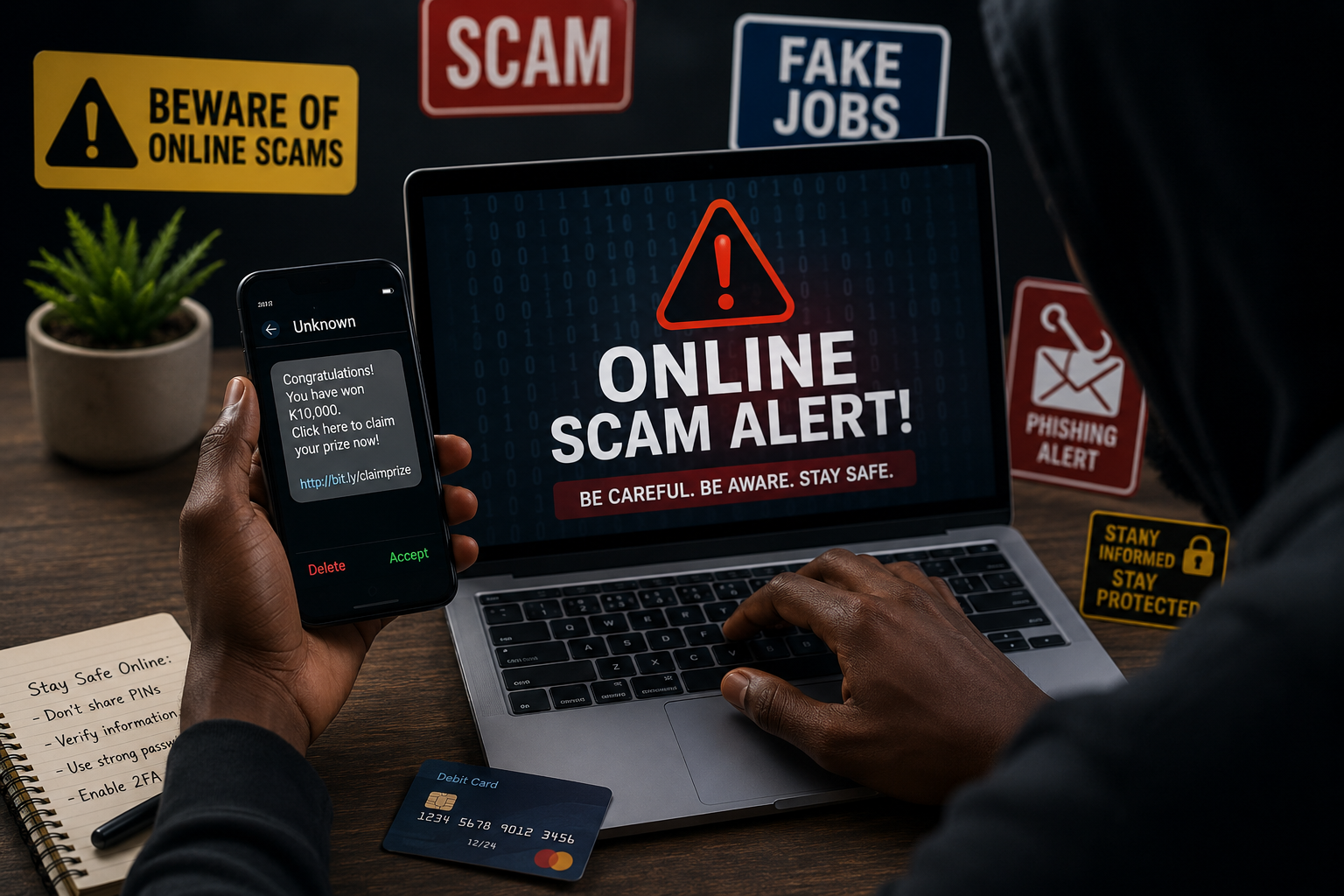
At the same time, customers should remain alert to scams because criminals can impersonate banks and ask for passwords, PINs or verification codes.
A genuine bank will have established procedures for authentication, but customers should never casually provide confidential credentials to someone who contacts them unexpectedly.
So when a bank suddenly blocks a transaction or asks whether you made a particular payment, it may not mean that something has gone terribly wrong.
It may simply mean that the bank’s security systems noticed something unusual and decided to take a closer look.
🔥 Ready for the next match? Check out the latest football odds and available markets here — 18+ | Gamble responsibly.





Community Feedback