FROM REFORMISTS TO AUTHORITARIANS: THE BETRAYAL OF DEMOCRACY IN MALAWI AND ZAMBIA – Chishala Kateka

Breaking News Zambia
NewsFROM REFORMISTS TO AUTHORITARIANS: THE BETRAYAL OF DEMOCRACY IN MALAWI AND ZAMBIA Chishala Kateka President – New Heritage Party Hakainde Hichilema’s presidency is beginning to resemble a cautionary parable of power, one that Malawi already wrote in painful detail under Lazarus Chakwera. Both men rose to office on promises of reform, transparency, and democratic renewal, […]
FROM REFORMISTS TO AUTHORITARIANS: THE BETRAYAL OF DEMOCRACY IN MALAWI AND ZAMBIA
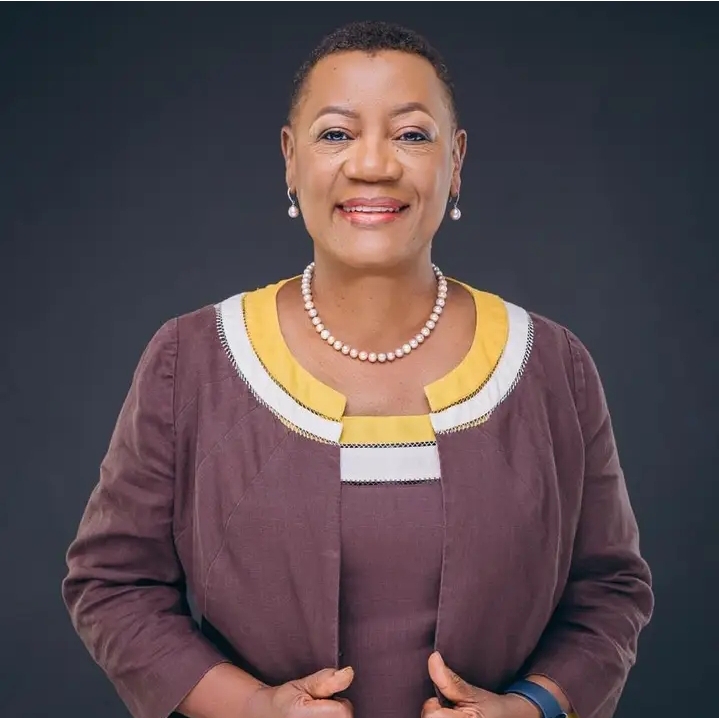
Chishala Kateka President – New Heritage Party
Hakainde Hichilema’s presidency is beginning to resemble a cautionary parable of power, one that Malawi already wrote in painful detail under Lazarus Chakwera. Both men rose to office on promises of reform, transparency, and democratic renewal, yet both quickly revealed themselves as practitioners of authoritarianism dressed in democratic clothing.
Chakwera’s fall was swift. His 2020 victory, born of a court-annulled election, was celebrated as a miracle of jurisprudence. But the miracle proved short-lived. He filled key posts with allies and family members, harassed opposition figures, and shielded allies implicated in corruption – sound familiar? Inflation soared, the kwacha collapsed, and Malawi defaulted on debt. His anti-corruption crusade ended in humiliation with the resignation of Martha Chizuma, the fearless Anti-Corruption Bureau director, after relentlesspolitical interference. Chakwera gagged freedoms, fractured the Tonse Alliance, and proved that even pastors can preach democracy while practising authoritarianism.
Hichilema’s trajectory is disturbingly and uncomfortably familiar. His 2021 victory was hailed as Zambia’s democratic rebirth, yet Zambia today is more polarised than ever—ethnically, regionally, politically, and religiously. His constitutional engineering through Bill No. 7 expanded parliamentary seats and introduced proportional representation tied to presidential vote share, a move civil society condemned as a Trojan horse for UPND dominance.
Patronage politics flourished, with allegations of senior police officers disproportionately drawn from his home region. The resignation of Musa Mwenye, a respected constitutional lawyer, was a symbolic indictment of Hichilema’s governance, exposing the authoritarian drift behind constitutional reforms and patronage appointments.
The rot is not confined to constitutional tinkering. Hichilema’s government recently employed 4,000 individuals in a process many declared opaque, raising questions about transparency and fairness.
In a country where unemployment is rampant, such mass recruitment should have been a beacon of hope; instead, it became another example of governance cloaked in secrecy. Worse still, allegations that his own son was employed into the Zambia National Service have fuelled accusations of nepotism, undermining his claim to meritocracy and reform.
What makes Hichilema’s drift even more troubling is the contradiction between his words and his actions. He once warned voters not to support independents lest they “take away MY votes,” a statement critics interpreted as dismissive of the electorate. He urged citizens to vote “with their brains, not their stomachs,” words that now ring hollow against the backdrop of rising poverty, unemployment, and disillusionment. .
Such remarks betray a mindset more concerned with consolidating power than respecting pluralism, contradicting the democratic principles he claimed to embody.
Malawi offers a stark warning. Chakwera’s betrayal of democratic hopes paved the way for the return of the old political order, proving that reformist rhetoric without institutional respect leads only to regression. Zambia risks following the same path if Hichilema continues to prioritise power over principle. His failure to unite Zambia has left the nation more polarised than at any time in recent history, with divisions along ethnic, regional, and political lines deepening under his watch.
The lesson is timeless and unforgiving: absolute power corrupts absolutely. Reformist leaders who campaign as democrats but govern as autocrats betray not only their citizens but the very idea of democracy itself.
Hichilema would do well to look across the border at Malawi, where hope was betrayed and democracy hollowed out, and recognise that the same fate awaits any leader who mistakes popular mandate for personal entitlement.
16 July 2026




Community Feedback