Dr Aaron Mujajati: Can Breast Milk Really “Know” When a Baby Is Sick?

Breaking News Zambia
NewsA social media post by Zambian medical professional Dr Aaron Mujajati has drawn attention to one of the most fascinating aspects of breastfeeding — the ability of human breast milk to provide not only nutrition, but also important immune protection for infants. In his post, Dr Mujajati described breast milk as a “living, adaptive fluid” […]
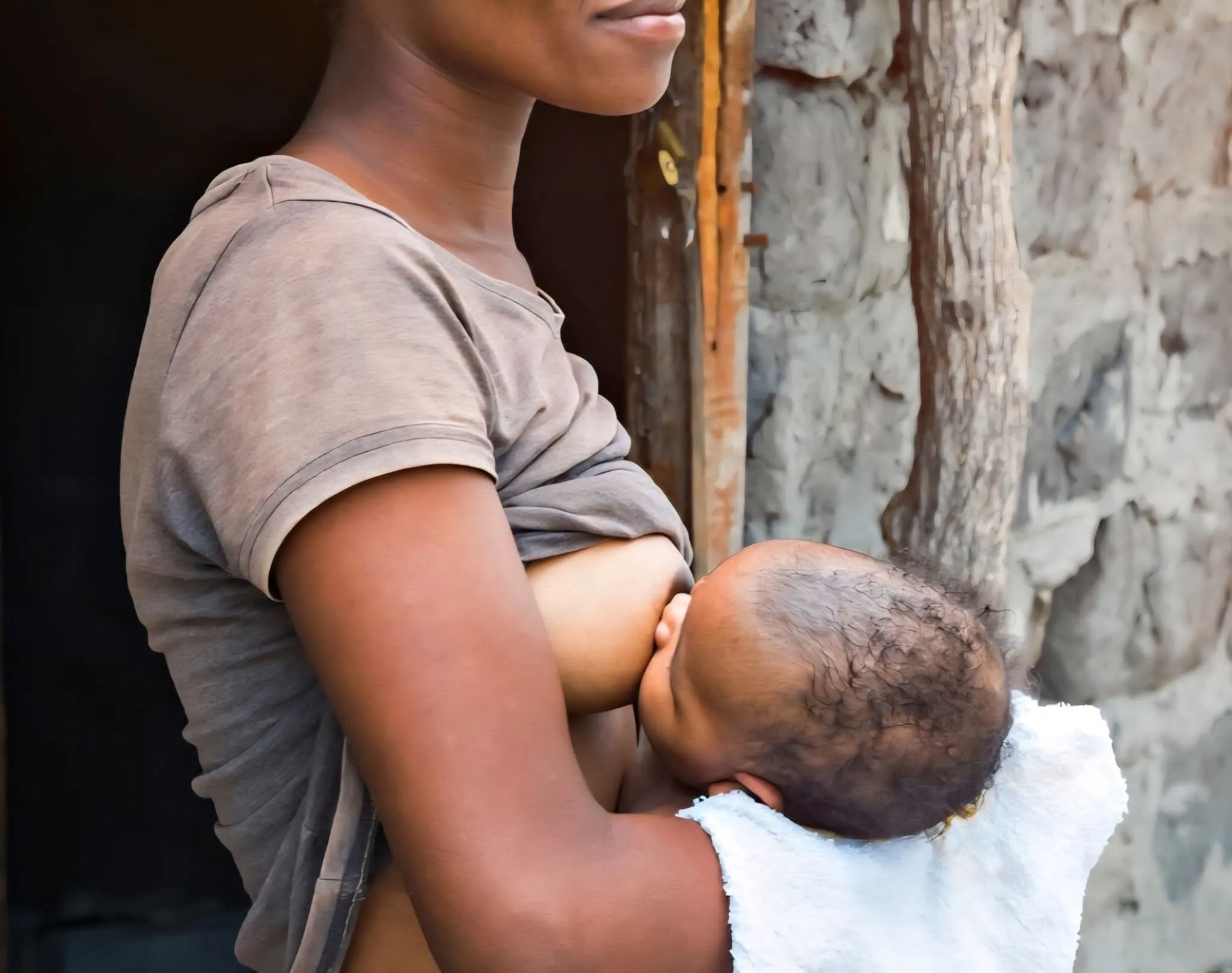
A social media post by Zambian medical professional Dr Aaron Mujajati has drawn attention to one of the most fascinating aspects of breastfeeding — the ability of human breast milk to provide not only nutrition, but also important immune protection for infants.
In his post, Dr Mujajati described breast milk as a “living, adaptive fluid” and explained that it can change in response to a baby’s health needs.
The claim that “breasts can read when a child is sick” is a striking way of describing the phenomenon, although the science behind it is more complicated than the phrase suggests.
Research has found that the immune composition of breast milk can change when a breastfeeding infant develops an infection. One study involving mothers of infants with fever found that the number of white blood cells, particularly macrophages, increased in breast milk during the infants’ active illness.
Looking for the latest sports odds and markets? Check them out here.
Researchers said the findings supported the dynamic nature of the immune defence provided by breastfeeding.
Human breast milk naturally contains antibodies, white blood cells, lactoferrin and other bioactive components that contribute to an infant’s immune protection. The World Health Organization describes breast milk as containing antibodies that help protect babies against a range of common childhood illnesses.
World Health Organization
Scientists have also investigated a proposed mechanism sometimes referred to as “backwash” or retrograde flow.
During breastfeeding, milk flows towards the baby’s mouth, but changes in pressure within the milk ducts may allow a small amount of material from the infant’s mouth to move back towards the breast. Researchers have proposed that exposure to the infant’s oral environment could contribute to changes in the mother’s local immune response.
PubMed Central (PMC) +1
However, this is where the popular explanation needs some caution.
There is evidence that breast milk changes in response to infection, but scientists have not established that a mother’s breast can literally identify a specific virus or bacterium from the baby’s saliva and then manufacture a perfectly matched “prescription” within hours.
The exact mechanisms responsible for changes in breast milk immune components remain an area of scientific investigation. Research has identified changes in immune cells and other components, but the precise contribution of infant saliva, maternal immune responses and other biological signals is still being studied.
PubMed Central (PMC) +1
What is clear is that breast milk is biologically active and not simply a mixture of calories, protein, fat and water.
Its composition can vary with the stage of lactation and the health circumstances of the mother and infant. Studies have found associations between infant illness and changes in immune components such as lactoferrin and secretory immunoglobulin A.
PubMed Central (PMC) +1
This is one reason breastfeeding continues to be recognised as an important source of protection against infections.
The WHO says breast milk provides infants with essential nutrients while also supplying antibodies and other protective factors. UNICEF likewise says that, with most common illnesses such as a cold or flu, mothers can generally continue breastfeeding while taking appropriate hygiene precautions.
World Health Organization +1
The science therefore supports the central message behind Dr Mujajati’s post: breast milk does far more than simply fill a baby’s stomach.
It provides a constantly changing biological environment containing immune factors that can help support an infant while the child’s immune system is still developing.
But the idea should not be interpreted as meaning breast milk can diagnose or cure every childhood illness.
A baby with a fever, difficulty breathing, poor feeding, unusual sleepiness, dehydration, seizures or other concerning symptoms still needs appropriate medical assessment.
Breastfeeding can provide nutrition and immune protection, but it should not be presented as a substitute for medical treatment when a child is seriously ill.
Dr Mujajati’s post has nevertheless highlighted something that continues to fascinate scientists: the relationship between a breastfeeding mother and her baby is not simply nutritional.
It is an intricate biological relationship in which milk contains immune components capable of responding to changing circumstances.
So while breasts do not literally “read” a baby’s illness like a medical scanner, the science behind breastfeeding shows that human milk is remarkably dynamic — and its immune properties can change when a mother or her nursing infant becomes infected.
❤️ Support ZED GOSSIP: Choose to bet? Sign up with 1xBet through our affiliate link and support the work we do. Your support helps us keep Zed Gossip running and bringing you the latest Zambian news, entertainment and sports. 18+ | Bet responsibly.





Community Feedback