Don’t burn farm fields amid El Niño, SEEDCO warns

Breaking News Zambia
NewsSeedCo Zambia has warned farmers not to […]
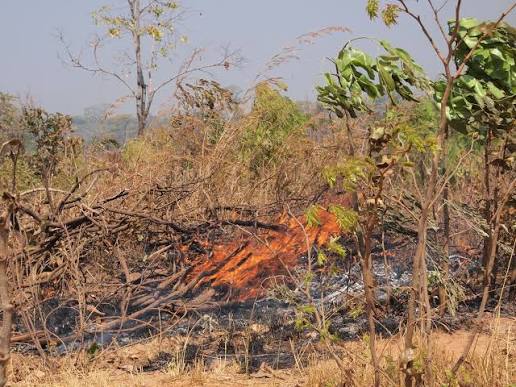
SeedCo Zambia has warned farmers not to burn their farm fields this farming season stating that the practice destroys critical stubble needed to retain precious soil moisture that can help survive the anticipated El Nino.
Speaking in an exclusive interview with Zambian Business Times – ZBT, SeedCo Zambia Product Development Manager, Katowando Chawinga urged growers to preserve crop residues for natural mulching.
“They should leave the stubble for the mulches so that the mulches will help the farmers maintain moisture in the field and do oat more moisture in days where there will be less rainfall,” he said.
Chawinga added that farmers must adopt conservation agriculture techniques to safeguard their crop yields against dry spells.
“We encourage them to do minimum tillage and also rippling, because that also helps conserve moisture and soil,” he said.
Chawinga explained that timing and precision will also dictate agricultural success across the nation as the 2026-2027 farming season approaches.
“The timing of planting will be critical, once they receive the first effective rains, then they can go in and plant according to their area where they are,” he said.
Chawinga told ZBT that to address the diverse agroecological landscapes, SeedCo has positioned a broad portfolio of climate-smart seed varieties tailored for specific regions.
“For farmers in zone three, or agroecological zone three for Zambia, those ones we encourage them to maintain the medium-maturing varieties and the late,” he said.
He recommended drought-tolerant options like SC719 along with medium varieties SC657 and SC647 to withstand drier weather patterns.
Chawinga indicated that for harsher regions, farmers should plant fast-maturing seeds like SC555 and SC419 to guarantee high yields despite erratic rainfall.
“They have to go for them in these drought-prone areas and where we are likely to see extreme effects of El Nino,” he said.
Article by Philip Sinkala





Community Feedback