CSOs propose 45-day roadmap for national dialogue as they respond to Attorney-General

Breaking News Zambia
NewsLUSAKA – A coalition of civil society organisations has proposed a 45-day roadmap for national dialogue in Zambia, calling for structured talks involving Government, political parties, civil society, faith-based organisations and professional bodies. The Joint Civil Society Organisations made the proposal in an open letter to Attorney-General Mulilo Kabesha dated September 21, 2026, responding to […]
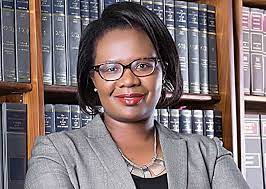
Linda Kasonde
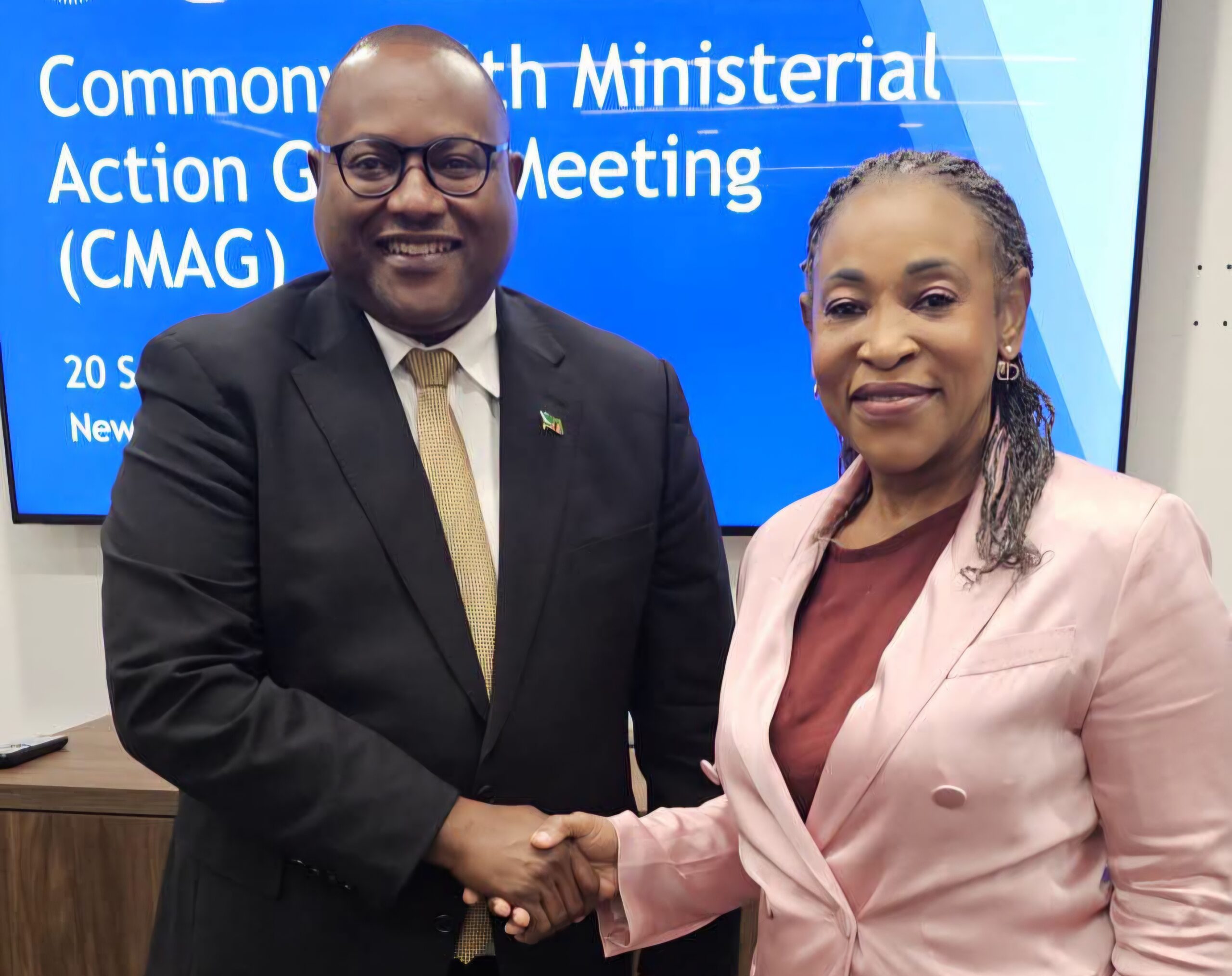
Mulilo Kabesha
LUSAKA – A coalition of civil society organisations has proposed a 45-day roadmap for national dialogue in Zambia, calling for structured talks involving Government, political parties, civil society, faith-based organisations and professional bodies.
The Joint Civil Society Organisations made the proposal in an open letter to Attorney-General Mulilo Kabesha dated September 21, 2026, responding to the Attorney-General’s September 16 statement on concerns raised by the CSOs over the rule of law and constitutional governance.
The CSOs said they welcomed the Government’s stated commitment to constructive and inclusive engagement and said they were ready to participate in dialogue in a “constructive and good-faith” manner.
But rather than leaving the proposal at the level of general calls for dialogue, the organisations have now suggested who should participate, how the process should be conducted, what issues should be discussed and how quickly the process could move.
CSOs want broad representation
Under their proposed framework, the dialogue would include representatives from Government, civil society coalitions, opposition and ruling parties, the Law Association of Zambia and other professional bodies.
Faith-based organisations, the House of Chiefs, national human rights and electoral oversight institutions would also be represented, while local and international election observer missions would participate as observers.
The CSOs have also proposed that participants be publicly identified before the first session.
They are calling for parity between Government and non-state participants and an independent facilitator agreed upon by all sides.
They further propose written terms of reference and rules of procedure to be adopted at the first session, together with public reporting after each meeting, while ensuring that dialogue does not prejudice matters before the courts.
What do the CSOs want discussed?
The proposed agenda goes beyond political reconciliation.
Among the issues listed are the cancellation of passports and the application of Section 12 of the Passport Act, as well as effective access to the appeal mechanism under Section 18.
The CSOs also want discussion of arrests and treason and sedition charges, including what they describe as possible amnesty for political prisoners where appropriate, principles governing law-enforcement conduct and timely access to legal representation.
Other proposed issues include:
- Independence of the Judiciary, ECZ, Defence Force and law-enforcement agencies;
- Freedom of assembly, association and expression;
- Political tolerance and prevention of violence;
- A permanent mechanism for continued engagement rather than a one-off meeting.
The proposed agenda is significant because it places both political and institutional questions on the table rather than limiting the discussions to relations between Government and opposition parties.
A 45-day timetable
The CSOs have proposed specific milestones.
Under their suggested timetable, the participant list and terms of reference would be agreed within seven days.
The first plenary session would take place by Day 14, with the agenda and rules of procedure adopted.
By Day 30, the organisations envisage substantive sessions on each agenda item, with written outcomes recorded.
By Day 45, they propose a joint public statement setting out agreed outcomes and an implementation schedule.
They also want periodic joint review sessions after that to monitor implementation.
CSOs defend their earlier concerns
The organisations also pushed back against the Attorney-General’s characterisation of their earlier concerns as “sweeping,” “inflammatory” and unsupported by evidence.
They say their concerns are supported by assessments from local and international election observer missions, regional and international bar associations, international human rights organisations and the United Nations Special Rapporteur on freedom of peaceful assembly and association.
The CSOs said they were prepared to provide the relevant reports and correspondence to the Attorney-General as part of the proposed dialogue.
At the same time, they said they respected judicial independence and due process and were not seeking to prejudge cases before the courts.
They argued that their concerns relate instead to broader institutional conduct and the independence and impartiality of institutions including the Judiciary, ECZ, Defence Force and law-enforcement agencies.
The Church’s role
The Joint CSOs also endorsed a September 15 pastoral statement by Archbishop George Lungu of Chipata, which called for dialogue grounded in human dignity, rule of law, access to justice, freedom of expression, responsible political participation and accountability.
The organisations say they want the dialogue to move away from public exchanges and into a structured process.
“We agree with Bishop Lungu that the way forward is to remove the dialogue from public platforms to dialogue behind closed doors,” the letter states.
What happens next?
The open letter now places the next step largely with the Attorney-General’s office, with the CSOs asking for details of the proposed dialogue, including its format, participants and timing.
The organisations say they remain committed to the constitutional order and rule of law and want the concerns raised by citizens and civil society to be addressed through lawful processes.
The development comes amid a wider debate in Zambia over post-election reconciliation, criminal proceedings involving opposition figures and concerns raised by civil society and other stakeholders about governance and institutional independence. The Attorney-General has previously said Government is open to dialogue while maintaining that dialogue cannot override the courts or terminate legitimate criminal investigations.
Zambian Eye will continue to follow the proposed dialogue and examine whether the competing positions can be translated into a formal process.


Community Feedback