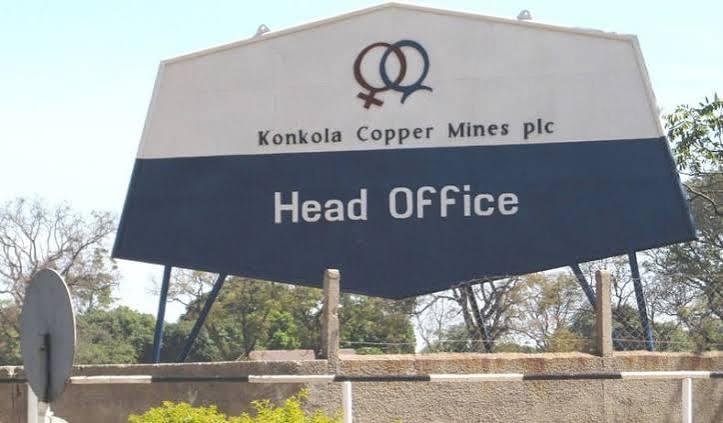
KCM denies 3 tier procurement system which disadvantages local suppliers

Breaking News Zambia
NewsVendanta owned Konkola Copper Mines – KCM […]
Vendanta owned Konkola Copper Mines – KCM has rejected claims by local contractors that it runs three separate procurement systems, with local suppliers being subjected to one were aggressive negotiating is applied. The Chingola headquartered mining firm insists that its purchasing setup remains a unified function, despite utilizing different platforms and processes for various categories.
The clarification follows mounting concerns and complaints from local suppliers and contractors over what they describe as three tiered procurement channels: KCM’s internal procurement department, Miombo Sourcing, and SYNISE—an online platform used for reverse bidding.
Local vendors argue that these split pipelines create unnecessary barriers, increase administrative friction, and dilute the impact of local content laws.
There is growing frustration that these mechanisms—particularly the reverse auctions on SYNISE where suppliers are subjected to a scenario were they must continuously lower prices to compete—systematically squeezing vendor profit margins.
Smaller and medium size indigenous businesses worry they are being priced out of the mining value chain and effectively eliminated. According to the suppliers, KCM’s internal department handles direct sourcing, Miombo Sourcing manages specific supply chain operations, and SYNISE facilitates the locally unfriendly online reverse procurement.
The local suppliers and contractors argue that this tiered system is leading to high value and better margin jobs being given to foreign owned firms at the expense of locally owned supplier firms.
They wonder how the government policy of driving local content and issuing at of least 20% of contracts to locally owned firms will be realized if this tiered system continues to apply. And speaking in an exclusive interview with the Zambian Business Times – ZBT, KCM Chief Corporate Affairs Officer Dr. John Kunda dismissed the assertions that these platforms constitute separate systems.
“I really need to appreciate that argument because I’m not getting it,” Dr. Kunda stated.
“Procurement is not like going to buy in a shop. Procurement is organized between different sectors.”
Dr. Kunda emphasized that because KCM operates under strict government local-content mandates, its purchasing activities are heavily monitored and audited. “You can’t create two [or three] systems when you are being monitored,” he insisted.
He noted that KCM also utilizes Mukwa as an official procurement platform, questioning why suppliers view diverse processes as fractured channels. He added that local supplier representatives had previously been trained on the company’s official digital platform.
“They were there for the training of the same platform, the same system,” Dr. Kunda told ZBT.
Despite KCM’s assurances, supplier association members are demanding full transparency. They want immediate verification on whether the Zambian government explicitly approved this multi-platform procurement structure, and whether their own association leadership consented to the arrangement.
The local suppliers are also demanding that the Ministry of Mines which now has a dedicated commission to appoint independent auditors and reviewers to report on whether KCM is adhering to the local content laws and regulations.
Article by Karen Ngulube





Community Feedback