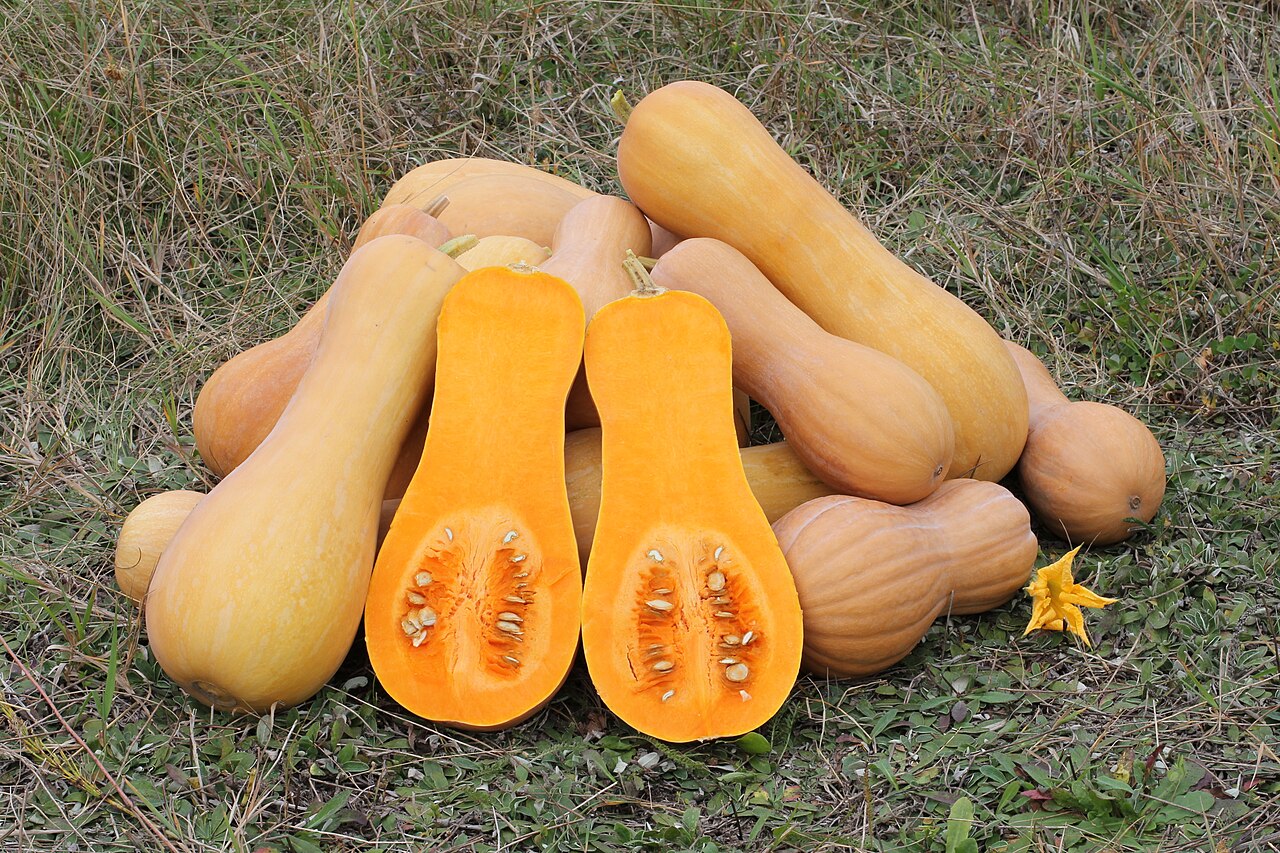
Butternut buyers offering farmers K700 per 50kg bag

Breaking News Zambia
NewsAgriculture expert, who is also a butternut […]
Agriculture expert, who is also a butternut buyer, Clement Phiri has revealed that farmers are currently receiving between K650 and K700 per 50-kilogram bag of butternut. Speaking in an interview with Zambian Business Times – ZBT, Phiri said the current buying price stands at K13 per kilogram, translating to K650 per 50-kilogram bag, with prices varying slightly depending on quality and transport costs.
“Butternut is one of the most farmer-friendly crops we have right now because the capital requirement is relatively low compared to tomatoes or cabbage, it is drought-tolerant, and with good land preparation and manure or basal fertilizer, farmers can achieve good yields even with limited water,” he said.
Phiri added that the crop has become an attractive option for many small-scale farmers because it requires less irrigation while providing reliable returns under varying weather conditions. Meanwhile, he disclosed that demand for butternut remains stable, with buyers sourcing produce from farmers in Central, Southern and Eastern provinces to meet growing demand in Lusaka.
“We have a good number of farmers supplying us from Central, Southern and Eastern provinces, and unlike leafy vegetables, butternut has a longer shelf life, meaning the market does not crash overnight,” said Phiri.
He told ZBT that butternut prices are generally more stable than those of tomatoes and other vegetables, making it a safer investment for farmers seeking predictable income throughout the season.
“Butternut prices move with supply, especially between October and December when volumes are lower, but even at the lowest they rarely drop drastically, and that price stability is one of the reasons I recommend it to farmers looking for a crop with less market risk,” said Phiri.
He further stated that the crop is is rich nutritional value such as Vitamin A, fibre and carbohydrates, while its versatility allows farmers to supply fresh markets, schools, hospitals and food processors. Phiri added that the current K13 per kilogram buying price reflects the Lusaka market, particularly Soweto Market, which serves as Zambia’s largest consumption hub, although prices in other provinces may be slightly lower after accounting for transport costs to the capital.
By Philip Sinkala




Community Feedback