
Zimba challenges ECZ’s legal basis for suspension

Breaking News Zambia
Local NewsStakeholders confronted the Electoral Commission of Zambia over the legality of its 24-hour vote-counting suspension, an alleged “dummy voting” exercise on polling day, and competing claims over who was responsible for post-declaration violence in Lusaka, at a press briefing held…
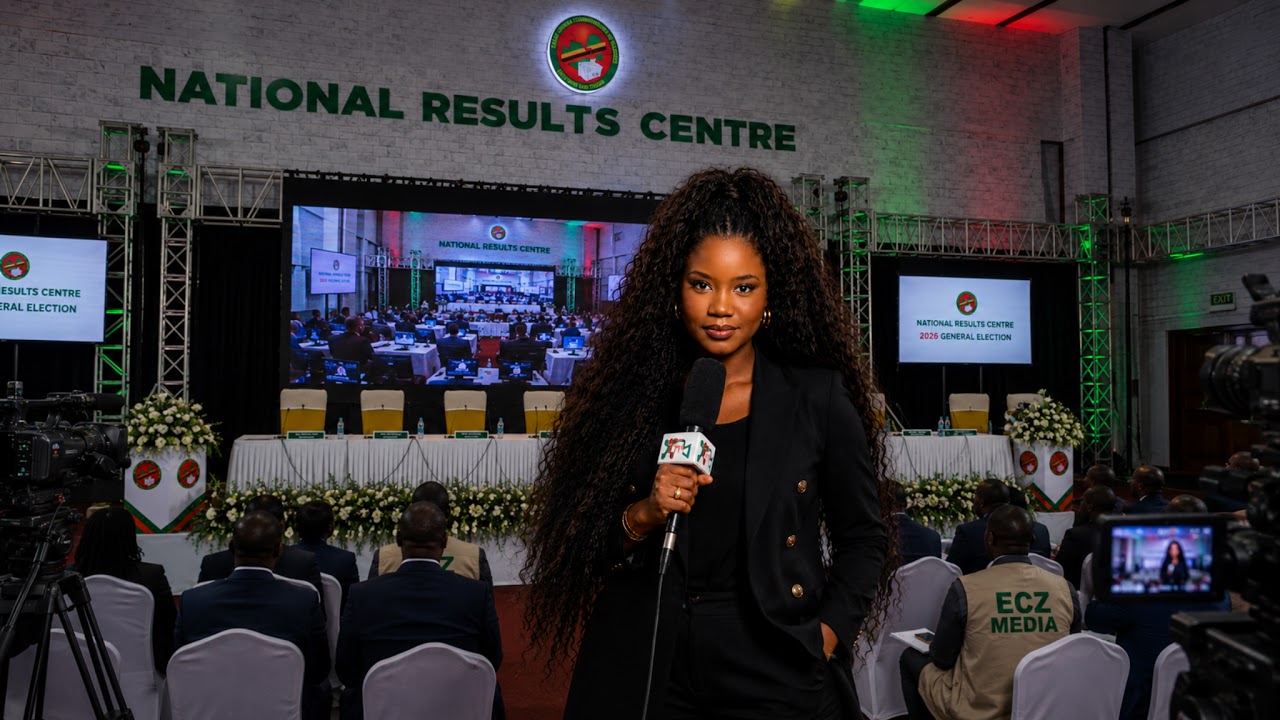
Stakeholders confronted the Electoral Commission of Zambia over the legality of its 24-hour vote-counting suspension, an alleged “dummy voting” exercise on polling day, and competing claims over who was responsible for post-declaration violence in Lusaka, at a press briefing held by the Commission at the National Election Results Centre.
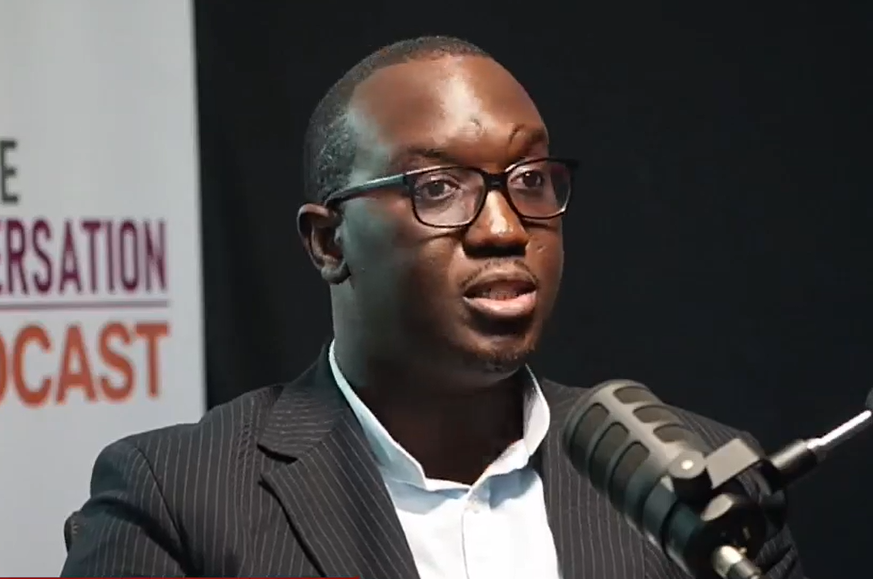
An NRPUP representative, Jonas Zimba, a Lusaka lawyer who has featured in the party’s election-monitoring team throughout the campaign, told the Commission its decision to suspend counting had no legal basis. He said ECZ’s authority under the law extends only to approving suspension requests submitted by presiding officers at individual polling stations, not to a unilateral, nationwide suspension.
“You did not present before this house any request from polling stations or presiding officers saying that was a problem. That in itself is a problem. You do not have that authority,” Zimba said.
He also called for Gen 20 forms, the official results declaration documents, to remain strictly handwritten going forward, saying none should be printed, and urged the Commission to engage stakeholders on results before any announcement is made.
A journalist raised a separate allegation concerning conduct at a polling station on election day itself. She said a group of students had disrupted proceedings after official voting hours had closed, chanting slogans, and that Commission officials had responded by allowing them to cast ballots in what she described as a “dummy” exercise, with officials privately indicating the ballots would not be counted.
“Does the Commission allow you to do a dummy on a voting day? I thought that when the duration closes, you cannot reopen,” she said, asking the Commission to clarify its position.
The same journalist raised the case of an NGOCC official whose name could not be independently confirmed, saying she had spent a night in police cells after her phone was confiscated. (Reference: separate reporting, not part of today’s newspaper extractions, confirms the Non-Governmental Gender Organisations’ Coordinating Council issued a statement on 14 August raising concern that “election monitors are being removed from polling stations, making it difficult to ascertain their status,” under board chairperson Beauty Katebe, though that statement does not name a detained individual matching the briefing account.) The journalist pressed the Commission on what protections were in place for stakeholders and monitors, and questioned the deployment of soldiers and commandos to manage the election.
“Why deploying soldiers or commandos as it were in this particular election? Were the police going to be incapable to handle the peace of this country, which we have enjoyed for many years?” she asked.
Republican Progressive Party president Lesley Chitambala Chungu asked what administrative steps, beyond criminal prosecution, the Commission had taken to prevent premature victory declarations from recurring, referencing scenes of “unruly cadres” celebrating prematurely following a candidate’s declaration.
A separate speaker representing another party alleged that after NRPUP candidate Brian Mundubile declared himself the election’s winner, some of his own supporters had gone on a rampage, destroying property and taking over trading centres in parts of Lusaka. The speaker asked what remedies the Commission had applied against those responsible, and argued ECZ did not require a formal complaint to act, describing its role as capable of inquiring into and resolving matters on its own initiative.
Several journalists, including representatives of KTV Africa and other outlets, pressed the Commission for more specific information on the circumstances of the suspension, including the whereabouts of stolen ballot papers and the specific locations affected by violence, saying the Commission’s public statement at the time had lacked sufficient detail.
“Where do you suspend a process of such magnitude to post a one-page statement? How do you explain the circumstances? These are many questions people out there need to know,” one journalist said.
A civil society representative, identifying himself as executive director of a crime-monitoring organisation and vice-chairperson of a legal reform alliance, defended the Commission’s legal authority to conduct and manage the election, urging fellow stakeholders to cite specific legal provisions if they believed the Commission had acted outside its mandate. He also asked the Chief Electoral Officer how the Commission was working with law enforcement to curb election-related misinformation, and said those found responsible for deliberately spreading false information should face arrest.
Another participant asked whether the Commission had reviewed a photograph reportedly showing misconduct inside a polling station, raised with officials on an earlier day of the count, and asked for an update on the status of ballot papers reported stolen from affected polling stations.
The exchanges reflect a press briefing marked by sustained pressure from opposition representatives, civil society and journalists over the Commission’s handling of the suspension and the security response to the count, even as the Commission continued working through its schedule of constituency-level result announcements.

Community Feedback