
Zambia exceeds fish production target as output surges by nearly 44%

Breaking News Zambia
BusinessZambia’s fisheries sector achieved record growth in […]
Zambia’s fisheries sector achieved record growth in 2025, with total fish production soaring by 20.9 percent, an increase driven largely by rapid expansion in aquaculture as both government and private sector investments transform the industry.
In an exclusive interview with the Zambian Business Times – ZBT, Ministry of Fisheries and Livestock Principal Public Relations Officer Benny Munyama announced that the sector had surpassed its annual production targets under the Eighth National Development Plan (8NDP), reflecting robust performance, particularly in fish farming.
According to the latest figures from the Ministry, overall fish production, including both capture fisheries and aquaculture, rose from 197,235 metric tonnes in 2024 to 238,636 metric tonnes in 2025. This outcome not only surpassed the 8NDP annual target of 205,701 metric tonnes but also marked a significant milestone for a sector vital to Zambia’s food security, employment, and economic diversification.
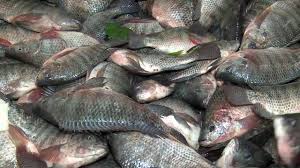
Aquaculture, or fish farming, emerged as the biggest growth driver, recording a remarkable 43.6 percent increase, from 89,342 metric tonnes in 2024 to 128,289 metric tonnes in 2025. In contrast, capture fisheries, representing fish harvested from natural water bodies such as lakes and rivers, registered a 4.2 percent increase, rising from 105,869 metric tonnes to 110,347 metric tonnes during the same period.
Munyama attributed this positive trajectory to increased output from both natural fisheries and large-scale aquaculture operations. “Overall fish production from both capture fisheries and aquaculture increased by 20.9 percent from 197,235 metric tonnes in 2024 to 238,636 metric tonnes in 2025, exceeding the 8NDP target,” he noted.
He highlighted that growth in capture fisheries was supported by the inclusion of pelagic fish species such as Kapenta from the Itezhi-Tezhi and Kariba fisheries, and Chisense from the Mweru-Luapula and Bangweulu areas. Meanwhile, the surge in aquaculture was primarily fueled by expanding investment from major industry players such as Xing Hou Limited, ZamFresh, Kariba Harvest, Fongda, and the Zambia National Service.
Zambia’s fisheries sector remains a cornerstone of national nutrition and economic de velopment, with fish accounting for over 50 percent of animal protein intake for many households, especially in rural communities. In recent years, the government has prioritized aquaculture expansion to ease pressure on overfished natural water bodies and to meet growing domestic demand for fish—a demand that has consistently exceeded local supply.
Article by Francine Chibuye





Community Feedback