Traditional land is unsellable, but traditional leaders are contradicting it

Breaking News Zambia
NewsAccording to the Lands Act Chapter 184 […]
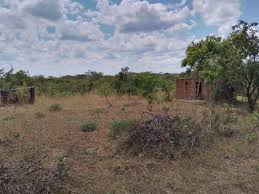
According to the Lands Act Chapter 184 of the Laws of Zambia, customary land cannot be bought or sold; it can only be transferred. This implies that the land is held in trust by the chiefs for the community. The traditional leaders only have the authority to allocate land for use to the community members; the chiefs’ way such land can be sold is when it is converted to state land. Interestingly, there is a rampant practice of selling and buying without converting across the country, a status quo that questions the effectiveness of the government in implementing its statutory obligations.
Mostly the outline is that customary land can be given out for agricultural purposes, and for purposes of development the land can be converted, revealed Civic Forum on Housing and Habitat Program Coordinator Grace Mtonga. Speaking in an interview with the Zambian Business Times – ZBT, Dr. Mtonga added, “The conversion allows one to obtain a title; consent is key. Chiefs should not sell land of more than 250 hectares; they need to talk with their subjects and get authorization from the Ministry of Lands and Natural Resources because they hold the land for the people.”
She attributed the lack of regard for the law, due to land now becoming a commodity, and the complacent penalties imposed on individuals that break the law. “Due to globalization, there is a lot of development. Before 1995 ACT land was not commoditized, so this issue and the loose penalties that somebody incurs when they tamper with land, we have seen people acquiring it commercially, and indigenous people have been displaced.
It commercially engages, and the challenge is that traditional land can be converted to statutory land, but the reverse cannot happen.” She cited the gaps in the law as the result of some citizens and traditional leaders taking advantage, which has ultimately turned into a crisis. Dr. Mtonga also revealed that the subjects also indulge in the selling of land without formal notice to the traditional leaders.
“Now land has become a business; because of commodification, these are the challenges that we continue to see, and sometimes it’s because of the lack of knowledge of the indigenous people and the malformation given to the traditional leader.”
She emphasized the need for government and allies to strengthen land governance because it is one heritage that must be preserved. Stating that traditional leaders as well have a duty to ensure that land is protected because failure to resolve the crisis will lead to them having no subjects to rule.
“Land is our heritage, and it is also part of our culture and gives us our identity; that’s why even on our National Identity Cards (NRCs) there is a place of origin. We need to make land accessible but also strengthen governance.”
Article by Samuel Mutale



Community Feedback