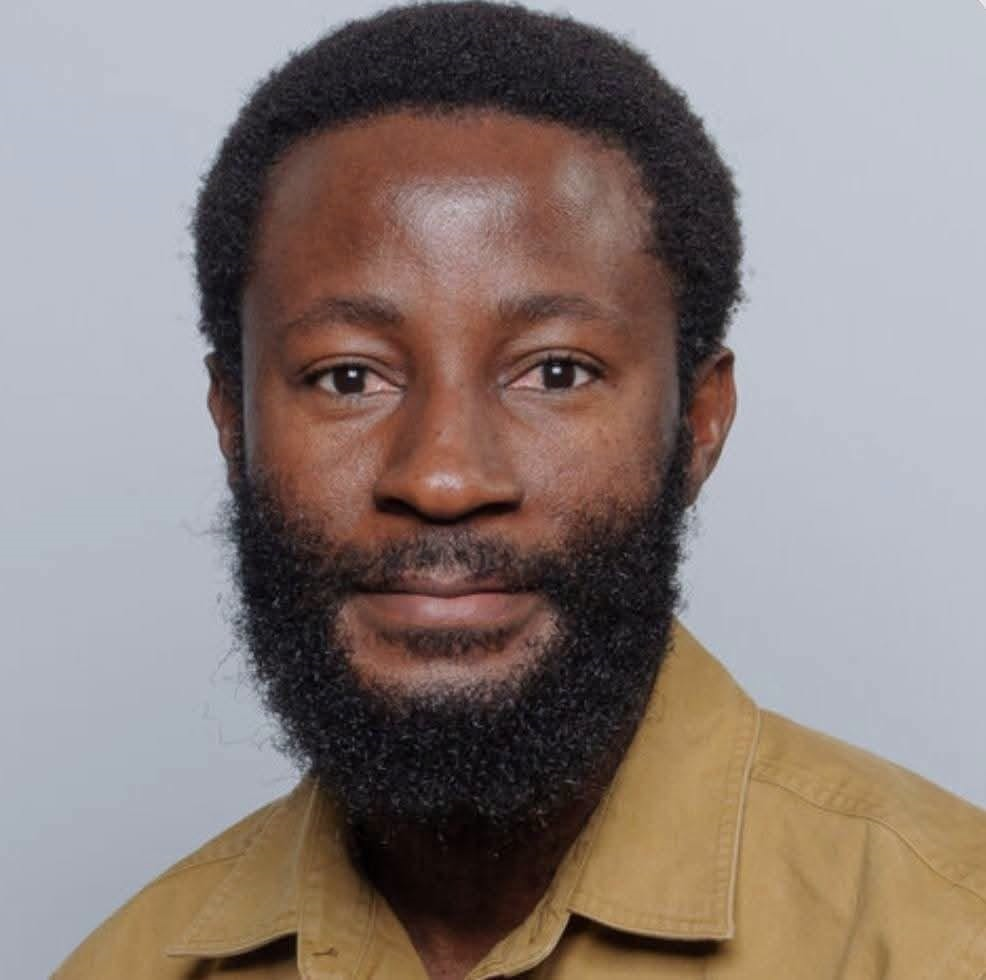
South Africa steps in after Zambia cancels Sishuwa’s passport

Breaking News Zambia
NewsZambian Academician Dr Sishuwa Sishuwa has returned safely to South Africa after his Zambian passport was cancelled, with South African diplomatic authorities in London issuing him a travel document that enabled him to travel back. The development adds a new dimension to the controversy surrounding Zambia’s decision to cancel the passports of six Zambians, including […]
Dr. Sishuwa Sishuwa
Zambian Academician Dr Sishuwa Sishuwa has returned safely to South Africa after his Zambian passport was cancelled, with South African diplomatic authorities in London issuing him a travel document that enabled him to travel back.
The development adds a new dimension to the controversy surrounding Zambia’s decision to cancel the passports of six Zambians, including Sishuwa, former diplomat Emmanuel Mwamba and former MPs Emmanuel Jay Banda and Binwell Mpundu.
The Government’s Gazette Notice No. 1421 of 2026, dated 7 September and published on 11 September, says the passports were cancelled “for security reasons in the interest of national security.” It does not publicly state the specific security grounds relating to each individual.
For Sishuwa, who was in the United Kingdom on academic business when the cancellation took effect, the immediate question was how he would travel without a valid Zambian passport.
He has now returned to South Africa after receiving assistance from South African diplomatic authorities in London.
That intervention has attracted attention because South Africa itself has a long history of providing travel documentation and refuge to people who were forced into exile during the apartheid era.
It is this historical dimension that Zimbabwean journalist Hopewell Chin’ono explores in the commentary below.
Chin’ono draws parallels between Sishuwa’s experience and the cases of figures including Oliver Tambo, Nelson Mandela, Thabo Mbeki, Miriam Makeba and Hugh Masekela, whose movements during exile were facilitated at various points by other African countries.
His commentary also places the Sishuwa case within the wider political and legal developments following Zambia’s August 2026 elections.
Hopewell Chin’ono writes:
Dr Sishuwa Sishuwa, the Zambian-born academic who lost his passport after the government of Hakainde Hichilema revoked it last week while he was visiting England, has safely returned to South Africa after the South African government through its diplomatic embassy in London issued him with a South African travel document. Dr Sishuwa, a renowned senior lecturer in history at Stellenbosch University, had his passport revoked after the Zambian dictator took issue with his critical analysis of the country’s recent tainted election. The Oxford-trained academic and Rhodes Scholar had travelled to England on academic business when the cancellation took effect, leaving him unable to return home. What the South African government did is a great act of pan-Africanism, one rooted in the country’s own history of resistance against political oppression. Oliver Tambo relied on travel documents arranged through the Indian government, first via the Indian consul in Kenya and then further papers issued in Nairobi, after fleeing South Africa in 1960 following the Sharpeville massacre. Nelson Mandela travelled across Africa and to London in 1962 on an Ethiopian passport issued by Emperor Haile Selassie under the alias David Motsamayi, since he had left South Africa without any valid South African travel documents. Thabo Mbeki, who also left the country without travel papers in 1962, was granted asylum by Tanzania under President Julius Nyerere before settling in Britain, where he lived and studied for years without a South African passport. Miriam Makeba, after her South African citizenship and passport were revoked in 1963, held passports issued by Guinea, Algeria, Ghana and Belgium over the following decades. Hugh Masekela obtained a Guinean passport, arranged by Makeba through President Ahmed Sékou Touré, and later a Liberian passport granted personally by President William Tolbert. Es’kia Mphahlele, who left South Africa on a South African passport in 1957 to teach in Lagos, found himself relying on a British passport while resident in Nigeria before its independence, and continued his exile through Kenya, Zambia, France and the United States. Cyril Ramaphosa, President of South Africa and current chairperson of SADC, skipped Hakainde Hichilema’s inauguration and offered no public congratulations, after the Zambian leader shut down the country’s High Courts to block his opponents from challenging the disputed election result. A former cabinet minister, Mutotwe Kafwaya, was killed during a security forces raid on the home of opposition leader Brian Mundubile, a day after the election, and the counting and release of votes was suspended for hours. The Lusaka High Court later ruled unlawful the detention of forty three opposition members and supporters, arrested, and ordered their immediate release after they had been held for twenty one days without charge. A female opposition figure, former ambassador Martha Lungu Mwitumwa, was reported by her party to have been abducted, though police denied the claim, and she was subsequently confirmed to be under arrest. The main opposition leader, Brian Mundubile, is also in prison, together with his deputy, Makebi Zulu, and sixteen others, all charged with treason. The charges were formally laid on 29 August, but the accused have not yet been taken to court, with the Director of Public Prosecutions saying investigations are still ongoing. Dr Sishuwa Sishuwa is not the only Zambian whose passport was revoked last week for criticising the Zambian regime. Five others, including former diplomat Emmanuel Mwamba and former lawmakers Emmanuel Jay Banda and Binwell Mpundu, had their passports revoked as well.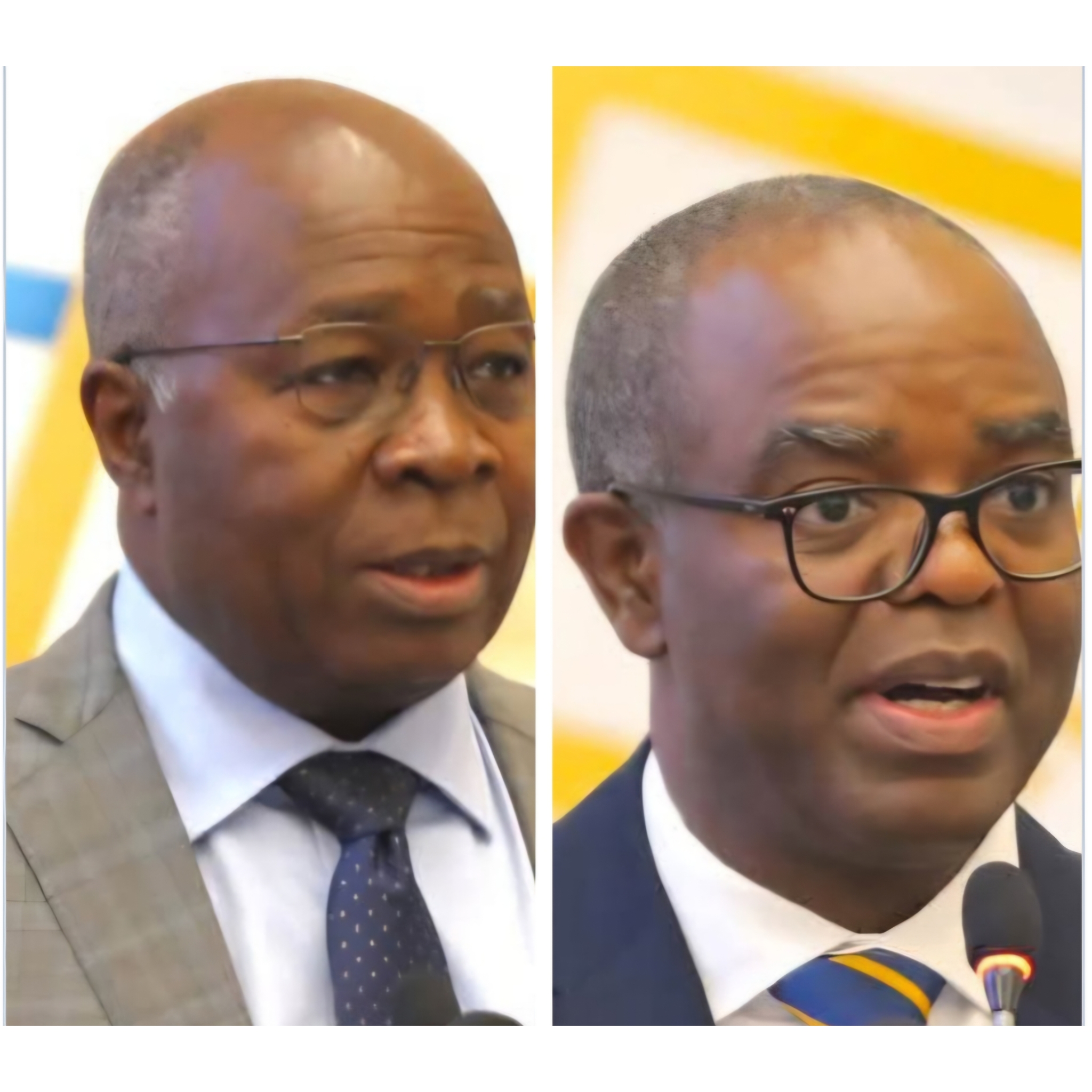
Community Feedback