
K6.5bn budget: Are drugs reaching patients?

Breaking News Zambia
NewsZambia has allocated K6.4 billion towards medicines […]
Zambia has allocated K6.4 billion towards medicines and medical supplies in the 2026 National Budget, but concerns over medicine availability have renewed questions about how effectively drugs are monitored across the health supply chain.
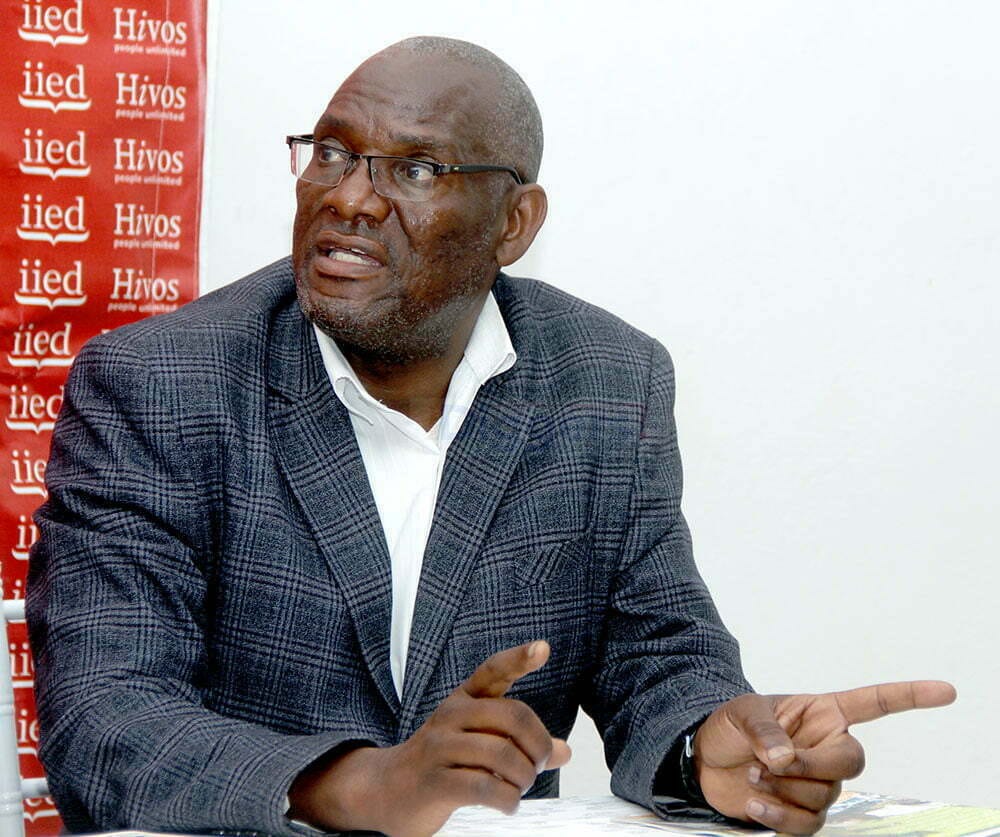
Speaking in an exclusive interview with Zambian Business Times-ZBT Resident Doctors Association of Zambia (RDAZ) president Dr Paul Chibwe says stronger monitoring is needed to ensure medicines procured with public funds reach health facilities and, ultimately, patients.
Dr Chibwe says investigations into drug theft should cover the entire supply chain rather than focusing only on cases involving lower-level health workers. “In terms of these grassroots thefts, drug thefts, we still look at the entry points,” Dr Chibwe said.
He said cases involving drivers and clinic officers are often prosecuted, while allegations involving senior officials and procurement processes can take longer to resolve. “We’ve seen cases mostly of drivers, clinic officers… highly prosecuted,” he said.
Dr Chibwe said the potential impact of losses at the procurement or supply level could be greater than the theft of small quantities at individual facilities.
“The loop is in the source that leads to significant drugs as compared to someone stealing two boxes,” he said.
He also raised concerns about possible conflicts of interest where health professionals prescribe medicines while having ownership interests in private pharmacies.
“You can’t be prescribing and sending people to your own pharmacy.” He said such conduct could create a conflict of interest and called for the relevant authorities, including the Anti-Corruption Commission, to examine such cases where necessary.
Dr Chibwe further pointed to reports of government medicines being found in private pharmacies, including medicines marked “Not for Sale”.
He said authorities should go beyond recovering such medicines and establish their source. “Make sure they trace the source of this instead of just being because you’ve got drugs,” he said.
“We can have people that check in, stock in, stock out, and do the stock checks for the drugs that come in,” he said. He also supported stronger supervision and the use of surveillance systems in areas where medicines are stored.
To strengthen accountability, Dr Chibwe proposed tighter controls over the movement of medicines within health facilities, including recording stock received and issued and conducting regular stock checks.
Article by Karen Ngulube




Community Feedback