How Do ATMs Know How Much Money You Have?

Breaking News Zambia
NewsYou walk up to an ATM, insert your card, enter your PIN and suddenly the machine knows how much money you can withdraw. But how does an ATM know how much money is sitting in your bank account? The answer is that the ATM does not normally keep a copy of your bank balance inside […]
You walk up to an ATM, insert your card, enter your PIN and suddenly the machine knows how much money you can withdraw.
But how does an ATM know how much money is sitting in your bank account?
The answer is that the ATM does not normally keep a copy of your bank balance inside the machine. Instead, it connects to the banking network, which communicates with your bank’s systems to verify your account and process the transaction.
When you insert your bank card into an ATM, the machine reads information associated with the card and uses the banking network to identify the relevant account or card relationship.
You are then asked to enter your PIN.
The PIN provides an important layer of authentication, helping the banking system establish that the person using the card is authorised to access the account.
Once the transaction request is submitted, information such as the card details, requested amount and ATM identification can be transmitted through the relevant payment network to the bank or card issuer.
The bank’s system then checks whether the transaction can be authorised.
Among the things it may consider are the available balance, withdrawal limits, account restrictions, card status and other security controls.
If everything is in order, the bank sends an approval back through the network.
The ATM then dispenses the requested cash.
This entire process can happen within seconds.
Looking for the latest sports odds and markets? Check them out here.
That is why the ATM can appear to “know” your balance even though the machine itself may not have previously stored information about how much money is in your account.
In many cases, the ATM is essentially asking the bank a question: Can this account complete this transaction?
The bank then provides the authorisation required for the ATM to proceed.
The same principle applies when you check your balance at an ATM. The machine sends a request through the banking network, receives the relevant information and displays the result on the screen.
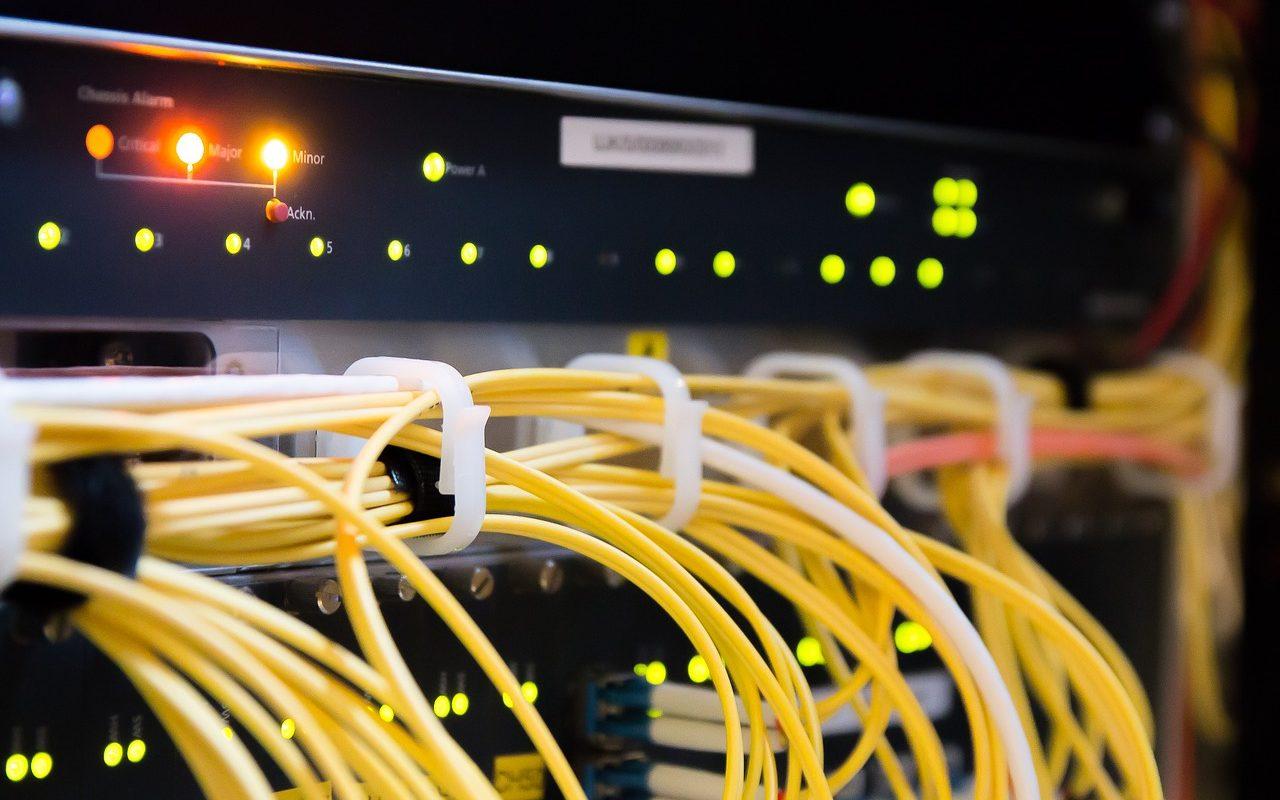
ATMs therefore depend on a combination of hardware, telecommunications networks, payment systems and banking databases.
This also explains why an ATM can sometimes display messages such as “transaction declined,” “insufficient funds,” “card blocked” or “unable to process transaction.”
The ATM itself may not be making the final financial decision.
It is communicating with the systems responsible for managing the account.
There is also an important security reason why the process is designed this way.
Your entire bank balance does not need to be stored on the ATM for you to access your account. Instead, the ATM communicates with financial systems that maintain the account information.
So the next time you withdraw money and wonder how a machine on the street knows what is happening inside your bank account, remember that the ATM is essentially a secure doorway into a much larger banking network.
🔥 Ready for the next match? Check out the latest football odds and available markets here — 18+ | Gamble responsibly.


Community Feedback