From student politics to Parliament: Former university leaders emerge on UPND youth list

Breaking News Zambia
NewsA new generation of political figures who first built their profiles in university student politics could soon find themselves in Zambia’s National Assembly, following the submission of proportional representation lists by political parties after the 2026 general election. Zambian Eye examines how the country’s new proportional representation system is opening a route from student leadership […]
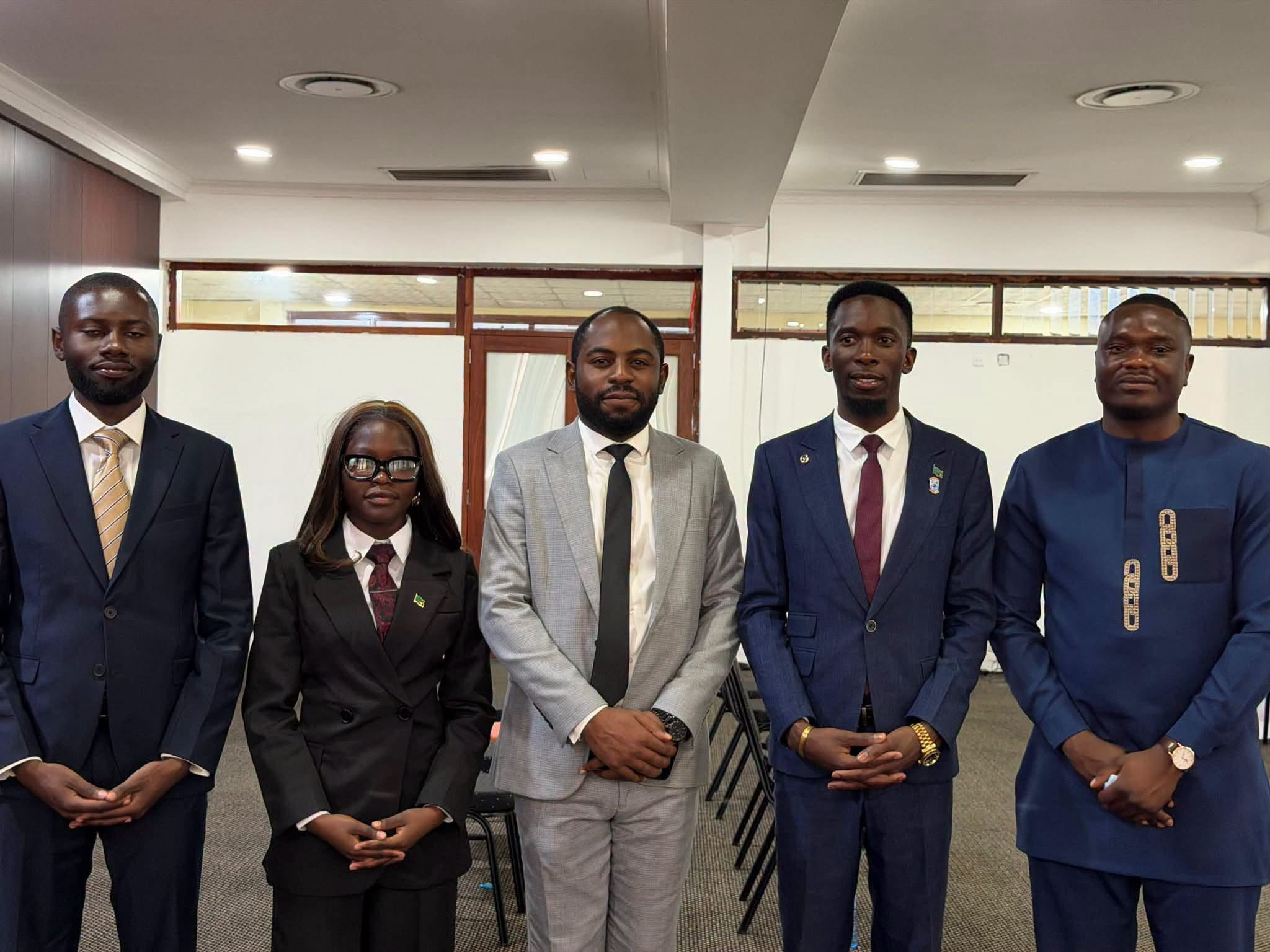
Hon. Kabaso Mwanto, Hon Jemaima Mwaba, Hon. Michelo Chizombe, Hon. Lloyd Nsonga and Hon former Student Leaders nominated as members of Parliament for the year 2026-2031.
A new generation of political figures who first built their profiles in university student politics could soon find themselves in Zambia’s National Assembly, following the submission of proportional representation lists by political parties after the 2026 general election.
Zambian Eye examines how the country’s new proportional representation system is opening a route from student leadership into national politics, with several former university student union leaders appearing on the UPND list for youth representation.
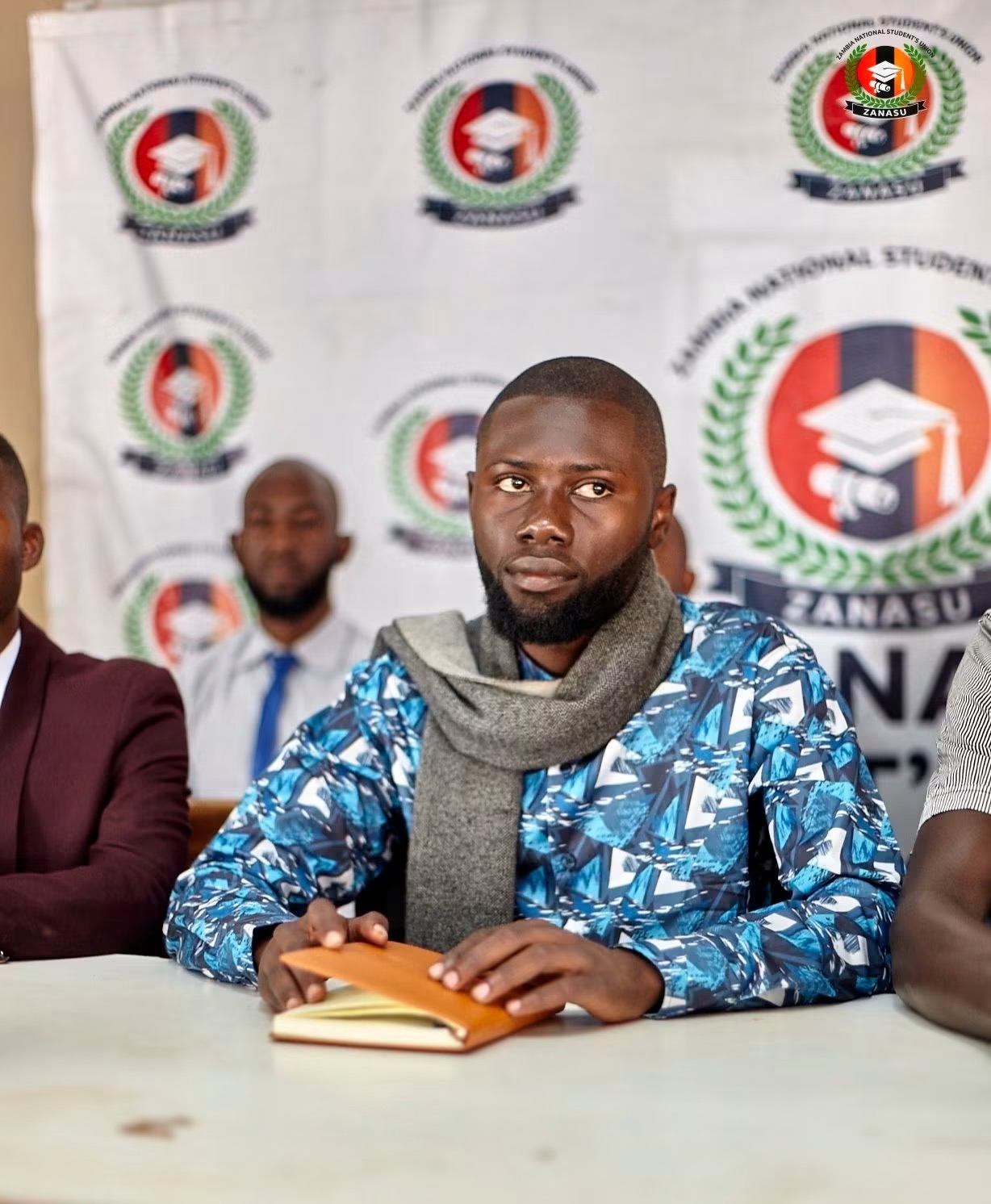
Among those named are former University of Zambia Students’ Union (UNZASU) Vice-President Jemimah Mwaba, popularly known as “Commander Kwishiba”; former Copperbelt Students’ Union President Lloyd Nsonga; former Chalimbana University Students’ Union President Gabriel Simutowe; and former UNZASU President Vincent Musilikani.
Also on the list is former UNZASU President Kabaso Mwanto, popularly known as “Shuwa Shuwa.”
If their nominations are confirmed by the Electoral Commission of Zambia, the former student leaders would make a significant transition from representing university communities to potentially representing young people in the National Assembly.
The development also provides an early glimpse of how Zambia’s new mixed-member proportional representation system could change the profile of Parliament.
A new route into the National Assembly
The proportional representation system was introduced through the Constitution of Zambia (Amendment) Act No. 13 of 2025.
Under the amended Constitution, elections to the National Assembly combine the traditional first-past-the-post system for constituency seats with proportional representation for specified seats reserved for women, youths and persons with disabilities.
The National Assembly now has 40 seats under the proportional representation system:
- 20 for women
- 15 for youths
- five for persons with disabilities.
The seats are allocated to qualifying political parties in proportion to the valid votes obtained by their presidential candidates at national level.
This means that voters do not directly elect an individual PR candidate in a constituency.
Instead, political parties submit lists of candidates, and the allocation of seats follows the prescribed formula.
The system is therefore different from the constituency elections in which voters select a particular parliamentary candidate.
Why the student leaders are attracting attention
The names on the UPND youth list are notable because of their backgrounds.
University student unions have historically been an important training ground for political activism and leadership in Zambia.
Student leaders routinely engage university management, Government ministries, political parties and other institutions on issues affecting students and young people.
Some have also become prominent voices on national political questions while still at university.
The emergence of former student union leaders on a parliamentary list therefore raises an interesting question about whether Zambia’s new youth representation mechanism could become a pathway through which political experience gained on university campuses translates into national public office.
For the individuals involved, the transition would be substantial.
A student union president or vice-president represents a defined university constituency.
A Member of Parliament, by contrast, participates in national law-making, parliamentary oversight and representation of citizens at the national level.
Who are the former student leaders?
Jemimah Mwaba, known as “Commander Kwishiba”, previously served as Vice-President of UNZASU.
Lloyd Nsonga served as President of the Copperbelt Students’ Union.
Gabriel Simutowe was President of the Chalimbana University Students’ Union.
Vincent Musilikani and Kabaso Mwanto are both former UNZASU presidents, with Mwanto also known by the nickname “Shuwa Shuwa.”
Their inclusion gives the youth category a distinctive student-leadership background.
However, being named on a party list is not by itself the same as becoming a Member of Parliament.
The lists must go through the electoral process prescribed by law and the Electoral Commission must complete the relevant procedures before the successful candidates can formally take their seats.
ECZ’s role
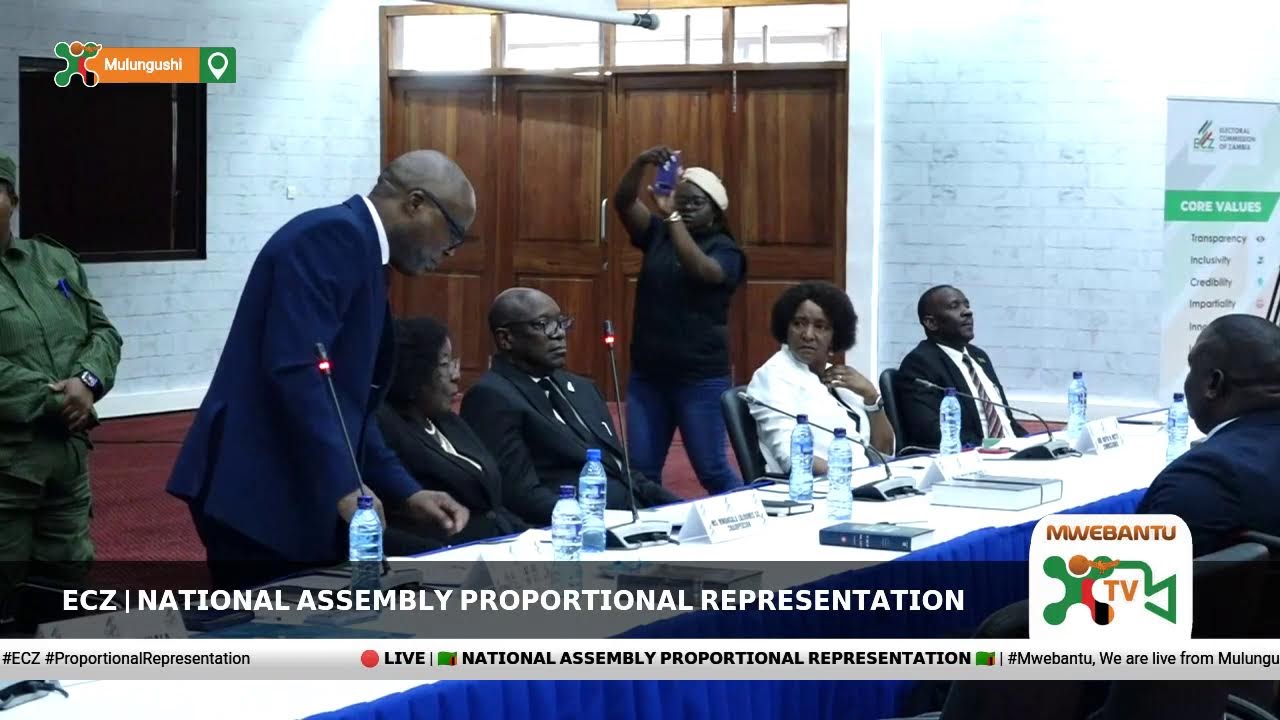
The Electoral Commission of Zambia has been overseeing the introduction of the new proportional representation system.
On 9 September, ECZ held an orientation meeting with the two qualifying political parties — the UPND and the National Reconciliation Party for Unity and Prosperity (NRPUP) — on the distribution and submission of party lists for proportional representation seats.
The Commission explained the legal framework, the submission process and the processing of the lists.
The new Electoral Process framework provides for ECZ to process and publish the names of Members of Parliament and councillors who obtain seats through proportional representation.
The allocation is based on a quota formula for the three categories of representation: women, youths and persons with disabilities.
Why this matters for young Zambians
The youth category is arguably one of the most closely watched elements of the new system.
For years, young Zambians have been prominent in political parties, student movements, civil society and community organisations, but their transition into elected national office has remained limited.
The 15 youth seats create a constitutionally recognised route for youth representation in Parliament.
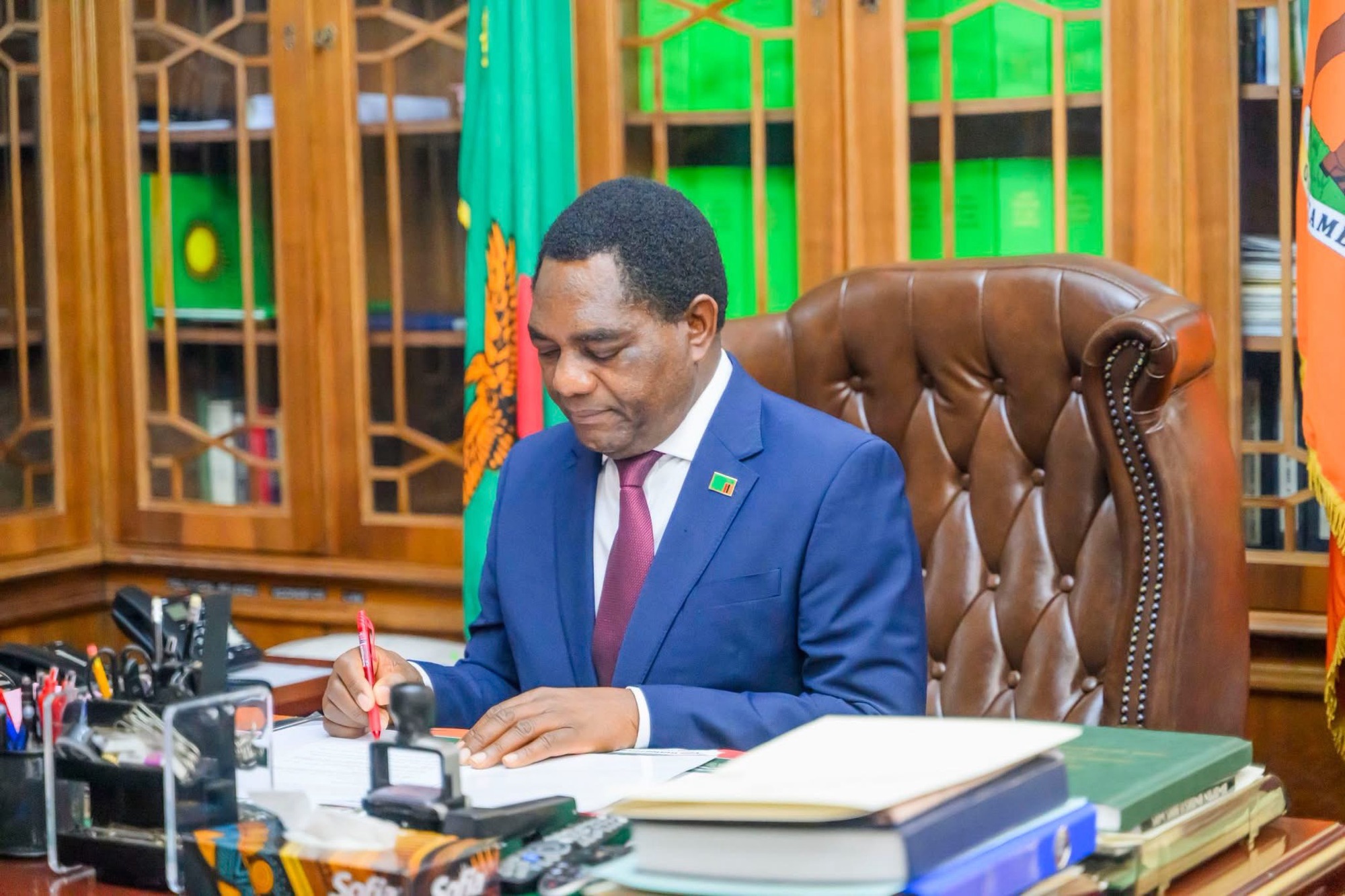
President Hakainde Hichilema, speaking in Parliament after the constitutional amendment was passed, described the new system as providing guaranteed opportunities for women, youths and persons with disabilities to participate in governance.
The practical question now is what kind of people political parties will use those opportunities to bring into Parliament.
The appearance of former student leaders on the UPND list provides one early answer.
But representation is only the beginning
Getting into Parliament through the youth category would not automatically mean that the former student leaders will continue the type of activism associated with university politics.
The responsibilities are considerably different.
Once in Parliament, youth representatives would be expected to participate in legislation, debate national policies, scrutinise Government expenditure and contribute to parliamentary oversight.
Their university backgrounds may give them experience in advocacy, public speaking, organising and negotiating.
But Parliament will test those skills in a much wider environment involving national policy, public finance, constitutional questions and legislation affecting the entire country.
The transition therefore raises another question:
Will Zambia’s new youth representatives bring the activism of student politics into Parliament, or will national political responsibilities change the way they approach public affairs?
A new generation enters the political arena
The emergence of former university student leaders on the proportional representation lists is therefore more than a collection of individual nominations.
It may signal the beginning of a new pathway into Zambian politics.
A generation that once campaigned over student allowances, accommodation, academic conditions and university governance could soon be debating national budgets, legislation and national policy in Parliament.
For the Electoral Commission, the immediate task is to complete the statutory process and confirm the candidates who qualify for the PR seats.
For the political parties, the lists represent a choice about who they believe should represent women, youths and persons with disabilities in the new Parliament.
And for the former student leaders themselves, the transition from campus politics to national politics could be the beginning of an entirely different political journey.
Zambian Eye will continue to follow the ECZ process and the emergence of Zambia’s first Parliament under the new mixed-member proportional representation system.



Community Feedback