
Farmers fear losses in K200 MAZ deal

Breaking News Zambia
SportsThe early purchase of maize by the […]
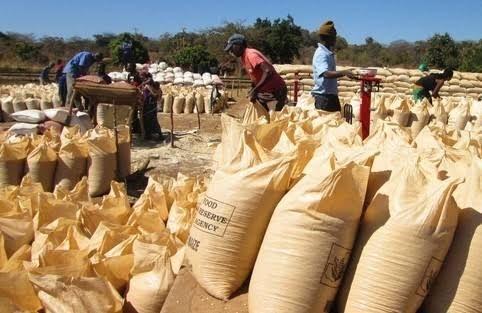
The early purchase of maize by the Millers Association of Zambia (MAZ) at K200 per 50kg bag has triggered outrage among farmers, with fears that the low price could destroy farmer profits and threaten Zambia’s ambitious 10 million metric tonnes maize production target.
Farmers say the proposed buying price is too low and does not match the rising cost of fertiliser, seed, fuel, labour, transport, irrigation, and mechanisation.
Speaking in an interview with the Zambian Business Times (ZBT), Agriculture Climate Action Foundation Executive Director Oliver Kandela Bulaya warned that low maize prices could discourage farmers from producing more maize in future seasons.
Bulaya said many small-scale farmers are already struggling with high production costs and may fail to recover their investments if maize is bought at K200 per bag.
He said this could force some farmers to reduce hectarage, abandon maize farming, or shift to other businesses entirely.
“This situation risks weakening farmer confidence at a time when Zambia wants to increase maize production to 10 million metric tonnes,” said Bulaya.
He explained that achieving such a target requires profitable markets, stable pricing systems, irrigation expansion, mechanisation, and increased private sector investment.
Bulaya also warned that vulnerable farmers could become victims of distress sales during the post-harvest period due to financial pressure and lack of storage facilities.
He said low maize prices may negatively affect rural businesses such as transporters, agro-dealers, traders, and community enterprises that depend on farming income.
However, some stakeholders believe lower maize prices could help reduce pressure on mealie meal prices and ease the burden on struggling consumers.
Millers are also facing serious operational costs, including expensive electricity, fuel, taxes, transport, and financing, which continue pushing up mealie meal prices.
But Bulaya argued that mealie meal prices are influenced by many other costs beyond maize purchases alone.
Oliver Kandela Bulaya said Government, millers, farmers, financial institutions, and other stakeholders must urgently work together to create a fair maize marketing system that protects farmers while keeping food affordable for consumers.
He said Zambia’s agricultural transformation agenda will only succeed if farmers remain motivated, protected, and financially secure.
Article by Catherine Mwansa




Community Feedback