
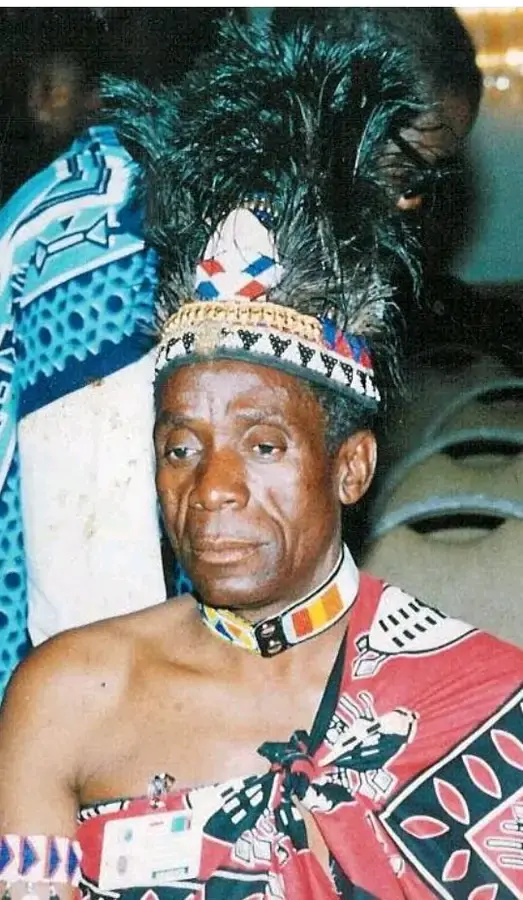
BATTLE FOR PARAMOUNTCY….three chiefs back historical ‘Supreme King’ of the Bene Mukuni Dynasty

Breaking News Zambia
NewsBATTLE FOR PARAMOUNTCY….three chiefs back historical ‘Supreme King’ of the Bene Mukuni Dynasty By DAVID KANDUZAIN a major legal and historical showdown, three traditional rulers have told the Constitutional Court that Chief Mukuni XIX is the highest traditional authority within the Bene Mukuni Royal Dynasty and holds an undisputed paramountcy position. Chiefs Sandwe, Chembe and […]
BATTLE FOR PARAMOUNTCY
….three chiefs back historical ‘Supreme King’ of the Bene Mukuni Dynasty
By DAVID KANDUZA
IN a major legal and historical showdown, three traditional rulers have told the Constitutional Court that Chief Mukuni XIX is the highest traditional authority within the Bene Mukuni Royal Dynasty and holds an undisputed paramountcy position.
Chiefs Sandwe, Chembe and Chipepo have filed witness statements supporting a lawsuit brought by Jonas Shakafuswa, the director-general of the Bene Mukuni Royal Dynasty Committee.
Mr Shakafuswa is challenging the Attorney-General, seeking a court order to officially reclassify Chief Mukuni XIX of the Toka-Leya people as a paramount chief rather than an ordinary chief.
Providing extensive historical testimony, Chief Sandwe IX (John Zimba, 66) of Lusangazi District stated that the history and customs of his establishment confirm Chief Mukuni’s supreme status.
Chief Sandwe explained that the first Chief Sandwe, Kanyozo, was born to Chiluya—the direct sister of Chief Mukuni—and that successive holders of the Sandwe title descended from this maternal lineage.
The traditional leader recounted a historical alliance where Gawa Undi Kalonga of the Chewa people married Nyanje, a daughter of Chief Mukuni, while passing through the Mukuni Royal Establishment.
Kanyozo was tasked with escorting Nyanje to her husband but chose to settle in an area that became the Sandwe chiefdom, changing his name to Sandwe, meaning “I have changed.”
According to Chief Sandwe, three distinct chiefdoms share this royal connection as follows: Sandwe (Lusangazi District), Nyanje (Sinda District) and Kakumbi (Mambwe District).
He testified that whenever serious succession or internal disputes arise among these three chiefdoms, Mukuni Munokalya is traditionally called upon to resolve them.
“This reflects the long-standing recognition of Mukuni Munokalya as the paramount traditional authority and elder brother,” Chief Sandwe stated.
The court also received testimony from Shared Chandalala, a keeper of the royal shrines and senior trustee of the Bene Mukuni Dynasty, who explicitly recognised Mukuni Munokalya as the Supreme King of the dynasty.
Chandalala, whose role as a spiritual leader spans Central Province, Livingstone and parts of Eastern Province, testified that he directly accompanies Mukuni Munokalya during sacred traditional rites at the royal shrines.
Further backing came from Chief Chembe (Edwin Pailande), who testified that oral history traces the origins of the Chembe chiefdom directly to Mukuni Munokalya, whose ancestral roots lie in Kola in the Democratic Republic of Congo.
Chief Chembe explained that while Mukuni was in Central Province, he married a widow named Musenge Chamilambo, and their descendants ultimately formed the modern Chembe lineage.
The Constitutional Court will evaluate these deep-seated historical accounts as it determines whether the State must legally recognise the ultimate traditional authority of the Bene Mukuni throne.



Community Feedback