
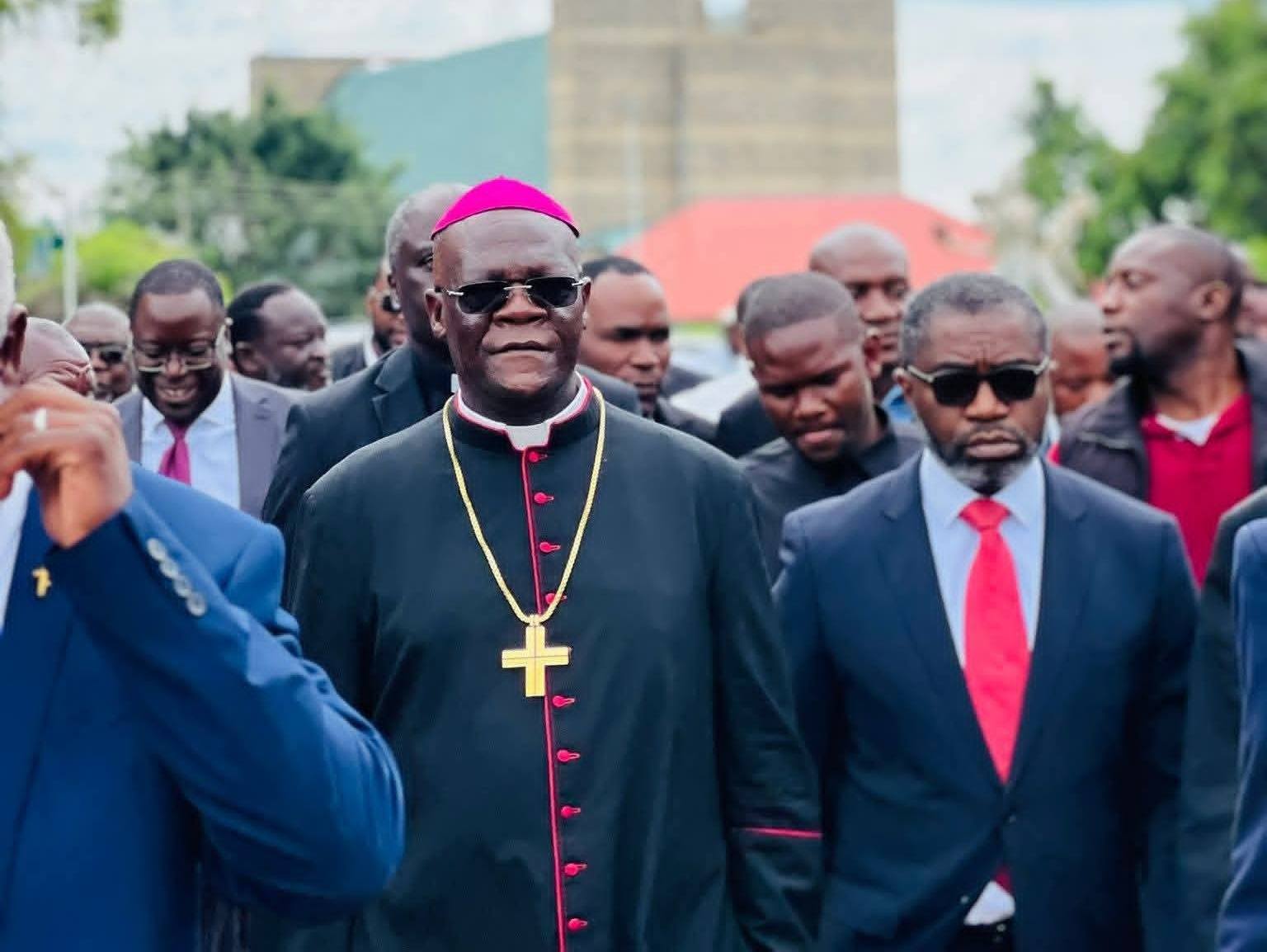
Archbishop Banda summoned again by DEC as Catholic Church calls for solidarity mass

Breaking News Zambia
NewsLUSAKA – Lusaka Archbishop Dr Alick Banda has been summoned again by the Drug Enforcement Commission (DEC), with the Archdiocese of Lusaka calling on Catholics to stand with him in prayer ahead of his appearance before the law-enforcement agency on Monday. In a statement dated September 25, the Archdiocese said it was expressing “deep concern […]
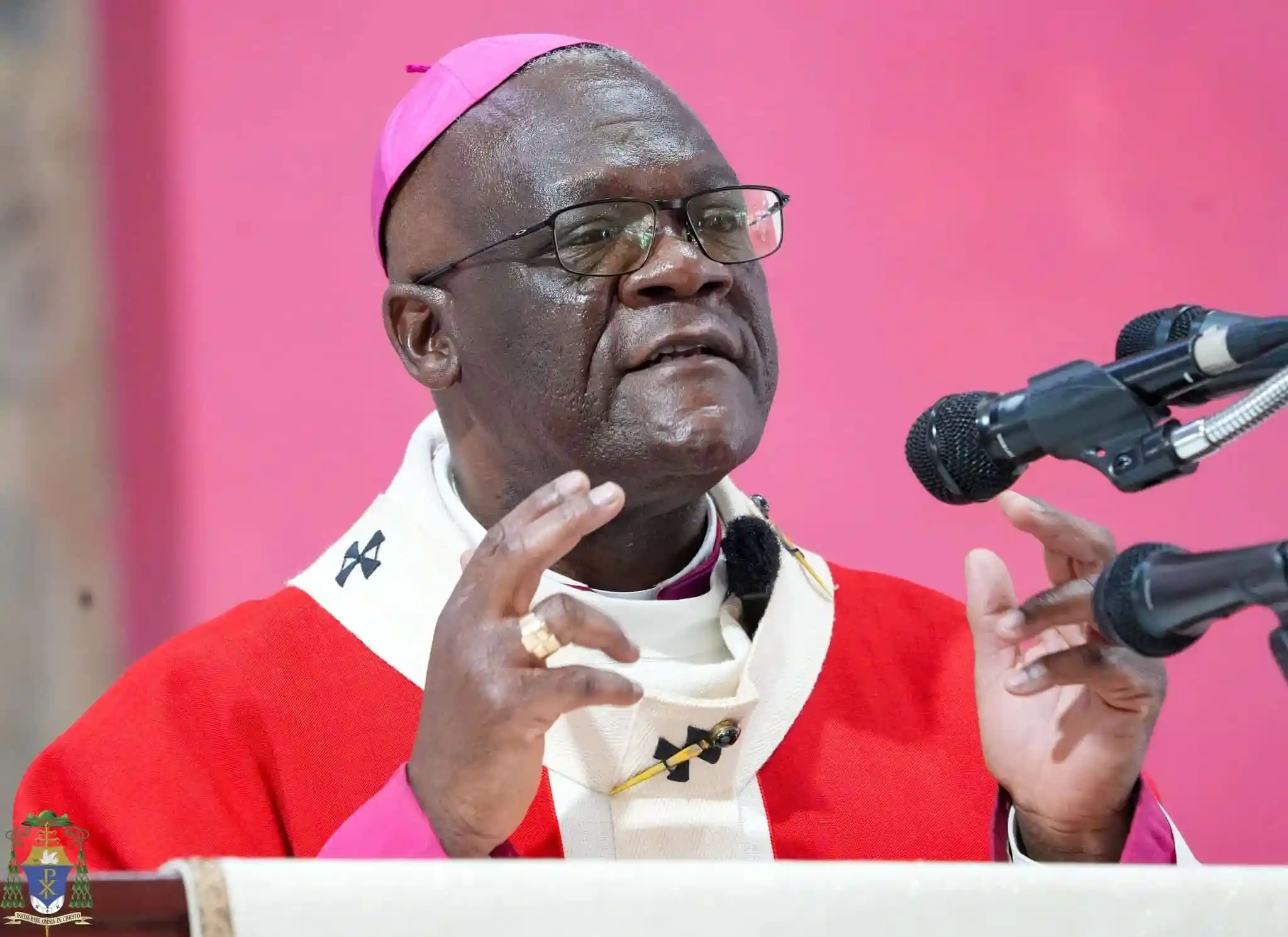
LUSAKA – Lusaka Archbishop Dr Alick Banda has been summoned again by the Drug Enforcement Commission (DEC), with the Archdiocese of Lusaka calling on Catholics to stand with him in prayer ahead of his appearance before the law-enforcement agency on Monday.
In a statement dated September 25, the Archdiocese said it was expressing “deep concern and unwavering solidarity” with Archbishop Banda following the renewed summons. It also called on clergy, religious and lay faithful to remain united in prayer as the Archbishop responds to the summons in accordance with the law.
The Archdiocese has announced a Mass at the Cathedral of the Child Jesus at 08:00 on Monday, September 28, before Archbishop Banda proceeds to the DEC at 10:00.
The renewed summons brings back a matter that became one of the most closely watched encounters between the Catholic Church and a state investigative agency earlier this year.
Why is Archbishop Banda being summoned?
The latest statement from the Archdiocese does not state the specific subject of the renewed summons.
That is important.
The last major DEC summons involving Archbishop Banda was connected to an investigation concerning a Toyota Hilux, registration number ALF 7734, which the DEC said was suspected to be property of the Zambia Revenue Authority.
In January, DEC Director General Nason Banda said the Archbishop had been summoned because the vehicle had been mentioned in investigations into the disposal of government vehicles. The Commission said it wanted to hear Archbishop Banda’s side of the matter.
The background to that investigation was a case involving former ZRA Commissioner General Kingsley Chanda and former ZRA Director of Administration Callistus Kaoma.
Chanda was convicted after a court found that procedures had not been followed in the disposal of 22 government vehicles. The DEC subsequently said one of those vehicles, a Toyota Hilux, had been found in Archbishop Banda’s possession.
On January 5, after appearing before the DEC, Archbishop Banda was formally warned and cautioned in connection with alleged unlawful possession of the vehicle.
The DEC said the Archbishop had been in possession of the Hilux between April 22, 2021 and December 27, 2023 and that it was reasonably suspected to have been unlawfully obtained from ZRA. The Commission said that when given an opportunity to explain how he came into possession of it, Archbishop Banda chose to remain silent.
The DEC said investigations would continue.
What happened when he appeared in January?
The January summons became much bigger than the underlying vehicle investigation.
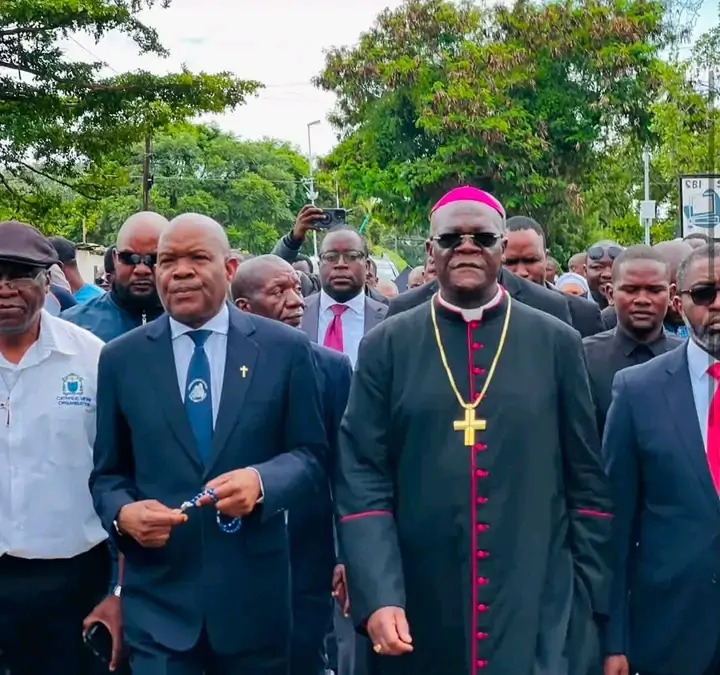
Catholic bishops expressed solidarity with Archbishop Banda, while Catholic faithful gathered for a special Mass before his appearance at the DEC.
The Zambia Conference of Catholic Bishops described the summons as an attempt to suppress the Archbishop’s voice and accused the Government of using state machinery against him. Those were the bishops’ allegations, not findings by a court.
Government and the DEC rejected the suggestion that the summons was politically motivated.
DEC Director General Nason Banda said the Commission was simply seeking the Archbishop’s side of the story and stressed that nobody was above the law. He also said the matter was not about the Catholic Church but an investigation involving an individual who had been mentioned in a case.
The Government similarly maintained that the matter concerned Archbishop Banda as an individual and not the Catholic Church as an institution.
The January appearance ended with the DEC recording a warn-and-caution statement after the Archbishop chose not to answer substantive questions, according to the Commission’s account.
What does a DEC summons actually mean?
This is where the current development needs some explanation.
A summons or notice to appear before an investigative agency is not, by itself, a conviction or finding of guilt.
It means the person is required to appear before investigators in connection with an investigation and answer questions or provide information relevant to the matter.
The January notice to Archbishop Banda was issued under Section 26(e) of the Prohibition and Prevention of Money Laundering Act. The notice required him to report to the DEC’s Anti-Money Laundering Investigations Unit.
That distinction is particularly important in the current situation because the Archdiocese’s September 25 statement does not disclose what the renewed summons concerns.
Until the DEC explains the basis of the latest summons, it would therefore be premature to conclude that Archbishop Banda is facing a new criminal charge or that the renewed summons necessarily concerns a different matter.
Why the Church is concerned
The language of the Archdiocese’s latest statement is noticeably different from a routine announcement of an official appointment or engagement.
The Church says it is concerned about the Archbishop’s “safety and well-being” and is asking Catholics to remain united in prayer, calm in spirit and steadfast in faith.
It says the Archbishop is not alone and that the Church stands with him in prayer, communion and solidarity.
The Archdiocese has also specifically asked Catholics to pray for “justice, truth, and peace” throughout the process.
The statement does not accuse the DEC of wrongdoing and does not call on Catholics to interfere with the investigation.
Instead, it says Archbishop Banda will respond to the summons “in accordance with the law.”
The January dispute remains part of the background
The renewed summons therefore comes with considerable history.
The first summons produced competing interpretations.
The DEC described it as a normal investigative procedure.
The Catholic bishops saw it as part of what they described as pressure against Archbishop Banda and the Church’s role in speaking on national governance.
Government rejected that interpretation and maintained that the law applies to everyone.
Those competing positions remain part of the public record.
The current summons now raises a new question: what has prompted the DEC to call Archbishop Banda back?
The Archdiocese has not provided that answer in its September 25 statement.
Monday’s Mass and appearance
The Archdiocese says Mass will be celebrated at the Cathedral of the Child Jesus at 08:00 on Monday, September 28.
Archbishop Banda is then expected to proceed to the DEC at 10:00.
The Church has encouraged Catholics who are able to attend the Mass to stand together as one family and remain peaceful.
“Let us be united in prayer, steadfast in faith, peaceful in spirit and unwavering in our pursuit of truth,” the Archdiocese said.
For the DEC, the significance of Monday’s appearance will depend largely on what investigators tell the Archbishop and whether the Commission provides further information about the renewed summons.
For the Church, the emphasis so far has been on prayer, solidarity and allowing its Archbishop to respond through the lawful process.
For the public, the central unanswered question remains straightforward:
Why has Archbishop Alick Banda been summoned again?
Zambian Eye will follow Monday’s appearance and report what the DEC and the Archdiocese say.


Community Feedback