ZAMBIA’S CHANGING POWER SECTOR: DIVERSIFYING GENERATION

Breaking News Zambia
NewsExpanding the hydro power footprintWhile solar power […]
Expanding the hydro power footprint
While solar power is fast-becoming an indispensable component of Zambia’s energy mix, as uptake from power generation projects and initiatives around the country continues growing at a fast pace, hydro power remains the backbone of the country’s power generation to support its industrialization. The energy source mix is only one part of the power generation plan Zambia is pursuing. An equally import part of energy diversification is the geographical location of these generation assets, whatever the energy source.
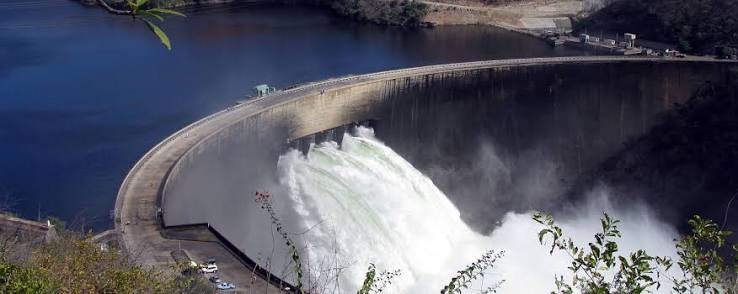
Zambia has substantial untapped hydropower potential, estimated at more than 6,000MW, making hydropower critical for future energy investments. However, repeated droughts have reduced water levels in reservoirs, lowering electricity generation and highlighting the need to diversify into other energy sources such as solar, wind, coal and others. Diversifying the energy source should be pursued in tandem with diversifying the location of the energy generating assets. As the experiences with drought have taught us, the northern parts have been less hit than the country’s south and with that, one bad season wipes out the country’s ability to produce electricity because all of its major hydropower plants are located there. These include Kafue Gorge (900MW), Kafue Gorge Lower (750MW), Kariba North Bank (720MW), Kariba North Bank Extension (360MW), Itezhi-Tezhi (120MW), and Victoria Falls (108MW).
Looking past the south
Potential to create hydropower generating assets exits beyond the country’s south. The northern circuit of Luapula and Northern provinces especially, with its many falls and water bodies, is perhaps more studied than others in this respect, but it is not the only one. Western Province is also on the radar and one local investor has placed its feet in both.
In the past few months, Lunzua Power Company – a local independent power producer (IPP) and member of the Exergy Energy group – has given the market two strong signals of its intent to reshape Zambia’s power generation trajectory. First, it has reignited the development of the 244MW Kalungwishi hydropower project in Luapula and Northern provinces, earning the endorsement of the traditional leadership. Lunzua has also staked its interest in developing the Ngonye Falls hydropower project in Western Province.
Looking West: Ngonye Falls
The economic potential of Western Province is one of the country’s least untapped. Primarily based on agriculture, livestock, fisheries, forestry, tourism, and trade, with its extensive floodplains, forests, and the Zambezi River providing important natural resources that support livelihoods and economic activities, the area is ripe for further investment and trade. But for the province to fully exploit its huge potential, energy has to take centre stage.
Lunzua has recently announced the acquisition of 27% of Western Power Company for the development of the 180MW Ngonye Falls Hydroelectric Project—the first major power project in the area. Located on the Zambezi River, near Sioma Town in Sioma and Senanga districts, and approximately 110 kilometres north of Sesheke, the project will not only contribute to the national energy plans, but also support the economic development of Western Province, not forgetting the export market.
Western Power Company, is another local IPP established to develop the Ngonye Falls hydroelectric power project. Lunzua’s investment in this vehicle advances its strategy to expand its portfolio of clean, dispatchable power generation across Zambia and the Southern African market, and positions it as a long-term partner in Zambia’s energy transition.
Commenting on the development, Lunzua’s chief executive officer Martin Kasemuka, stated that through Ngonye’s 180MW of clean, locally generated electricity, Lunzua is strengthening Zambia’s generation capacity and, alongside the broader investment underway in the sector, contributing to a more secure and resilient national supply.
“Capacity of this scale helps move the country toward a surplus position, creating the headroom to realise Zambia’s ambition to be a dependable power supplier for the region,” he said.
The project is expected to come online in 2030.
What comes next
In the same way that solar power plants are literally being planted all across the country, hydropower too should be dispersed wherever the potential exists. The resilience of the country’s power system should be a whole package involving enabling policy, supportive regulation, private and public sector collaboration, generation diversity by source and geography, and robust transmission and distribution allowing in-country and transnational movement of power.
When natural disasters, such as drought hit one part of the country, other parts should be able to give some relief to the system. Hydropower generation that is evenly spread across the country is critical to transforming Zambia’s power sector and achieving the target of 10GW by 2030. The plan is not to move away from hydro by hyping solar, but adding solar, thermal, wind, and other sources to the hydropower base that already exists while expanding that base. And as far as renewable credentials go, hydropower scores as a renewable source of baseload power, which is essential to supporting the mining and heavy industrial activities Zambia is pursuing.
Sponsored Article





Community Feedback