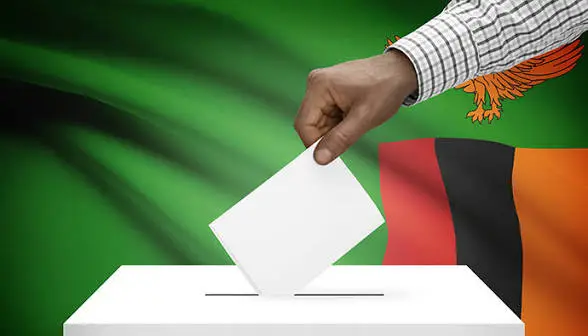
Zambia Elections 2026: What Every Voter Should Know Before Going to Vote on Thursday

Breaking News Zambia
NewsWith Zambia preparing to go to the polls on Thursday, August 13, 2026, voters across the country are getting ready to exercise their democratic right. For many people, election day can be exciting, but it can also come with questions about what to carry, where to vote, what happens at the polling station and what […]
With Zambia preparing to go to the polls on Thursday, August 13, 2026, voters across the country are getting ready to exercise their democratic right.
For many people, election day can be exciting, but it can also come with questions about what to carry, where to vote, what happens at the polling station and what voters should do before casting their ballot.
Whether you are voting for the first time or have participated in previous elections, preparing early can help make the process easier and more orderly.
Here are important things every voter should keep in mind this week.
Check Your Polling Station Before Election Day
One of the most important things to do before Thursday is to confirm where you are supposed to vote.
Do not wait until election day to start looking for your polling station.
The Electoral Commission of Zambia (ECZ) provides voter information and polling-station details through its official channels. Voters should use information from the ECZ or other verified sources rather than relying on messages circulating on social media.
If you have moved since registering, make sure you understand which polling station your voter registration is linked to.
Make Sure You Have Your Voter’s Card
Voters should make sure their voter’s card is available and in good condition before leaving home.
Keep it somewhere safe and take it with you when going to the polling station.
Avoid leaving the card behind and assuming that someone else can explain your registration details to election officials.
Know What You Are Voting For
Election day is not the best time to start learning about candidates.
Use the remaining days before Thursday to understand the candidates and political parties participating in the election.
Read their manifestos, listen to their policy positions and consider what they are proposing on issues that affect your community and the country.
Voters should make their decisions independently and avoid allowing pressure from friends, political supporters or social media trends to determine how they vote.
Be Careful With Information on Social Media
As election day approaches, social media platforms are likely to be filled with political messages, videos, claims and alleged election updates.
Not everything shared online is genuine.
Before forwarding information, ask:
Who published it?
Is the source credible?
Is there an official statement confirming it?
Is the video actually from Zambia?
Could the information be old or taken out of context?
False information can create unnecessary tension, particularly during elections.
Plan Your Journey to the Polling Station
Don’t leave your voting plans until Thursday morning.
Think about:
How you will get to your polling station
What time you will leave home
How long the journey could take
Whether you need assistance getting there
Whether weather or transport conditions could affect your plans
If you work on election day, make sure you understand your arrangements in advance so that your work responsibilities do not unnecessarily prevent you from participating in the election.
Follow Instructions at the Polling Station
When you arrive at the polling station, follow the instructions given by election officials.
Be patient.
There may be queues, identification and verification procedures, and other steps that need to be completed before you vote.
Do not argue with other voters or election officials.
If you have a genuine concern, raise it calmly through the appropriate election officials or established complaints procedures.
Protect the Secrecy of Your Vote
Your vote is your personal decision.
You should not feel pressured to reveal which candidate or party you have chosen.
Be cautious about anyone asking you to prove how you voted by taking photographs of your ballot or showing someone your marked ballot.
The secrecy of the ballot is an important part of the electoral process.
Do Not Take Political Arguments Into the Polling Station
Election day is not the time to fight over political differences.
You may support a different candidate from the person standing next to you in the queue.
That is normal in a democracy.
Respect other voters regardless of their political affiliation.
Avoid confrontations, insults and behaviour that could create tension at the polling station.
Do Not Allow Anyone to Vote on Your Behalf
Your vote belongs to you.
Do not give another person control over your voting decision, and do not allow anyone to pressure you into voting for a particular candidate.
Likewise, avoid attempting to vote more than once or interfering with another person’s right to vote.
Be Patient If There Are Delays
Large numbers of people may turn up to vote, particularly during busy periods.
Queues and delays can happen.
Instead of becoming frustrated, remain calm and follow the instructions of election officials.
If there is a serious problem, seek clarification from the appropriate officials rather than relying on rumours from people in the queue.
Keep the Environment Peaceful
Zambia’s elections belong to all citizens, regardless of political party.
Voters should avoid carrying weapons or dangerous objects to polling areas and should stay away from confrontations.
Do not allow political disagreements to turn into violence.
If tensions rise, create distance and allow the appropriate authorities to handle the situation.
Be Careful About What You Post
During and after voting, social media will become an important source of information.
Think before posting photographs, videos or claims about events at polling stations.
Avoid publishing unverified allegations about electoral malpractice.
If you witness something you believe is wrong, record the relevant details and report it through the appropriate official channels rather than attempting to confront people yourself.
Do Not Assume Election Results From Social Media Posts
One of the biggest mistakes voters can make is treating unofficial social media figures as final election results.
Political parties, candidates, influencers and individuals may publish their own figures, but voters should wait for official results from the Electoral Commission of Zambia.
Be patient and verify information before celebrating, rejecting or sharing alleged results.
If You Have a Problem, Report It Properly
If you experience a problem during the voting process, do not simply leave and complain on social media.
Ask election officials for clarification and use the established mechanisms for reporting electoral concerns.
Record useful information such as the polling station, time and nature of the problem where appropriate.
The important thing is to remain calm and avoid taking matters into your own hands.
Take Care of Yourself on Election Day
Voting can take time, particularly if there are long queues.
If possible, eat before leaving home and carry drinking water where appropriate.
Dress comfortably and prepare for the weather.
If you have elderly people, people with disabilities or other vulnerable members of your household who are eligible to vote, consider how they will safely get to their polling stations.
Parents Should Also Think About Their Children
If you are responsible for young children, make arrangements before election day.
Polling stations can become crowded, so avoid exposing children unnecessarily to political confrontations or unsafe environments.
Where possible, make appropriate arrangements for childcare while you exercise your civic responsibility.
Remember: You Have a Right to Make Your Own Choice
Perhaps the most important message for voters this week is simple:
Your vote is your decision.
Do not vote because somebody paid you.
Do not vote because someone threatened you.
Do not vote because your friends told you what to do.
Study the candidates, consider their policies and make your decision freely.
After Voting, Respect the Process
Once you have voted, the responsibility does not end.
Continue to respect other citizens, avoid spreading unverified information and allow election officials to carry out their duties.
Regardless of which candidate or party you support, Zambia remains home to all its citizens.
The country will need peace and cooperation after the election just as much as it needs peaceful participation before and during voting.
Final Reminder for Zambian Voters
Before Thursday, make sure you have:
✅ Confirmed your polling station
✅ Located your voter’s card
✅ Planned how you will get to the polling station
✅ Learned about the candidates and their policies
✅ Checked information through credible sources
✅ Made arrangements around work and family responsibilities
✅ Prepared to follow polling-station instructions
✅ Planned to vote peacefully and independently
Most importantly, use verified information from the Electoral Commission of Zambia for official election procedures, polling information and results.
Election day is not only about choosing leaders. It is also about protecting peace, respecting fellow citizens and participating responsibly in Zambia’s democratic process.

Community Feedback