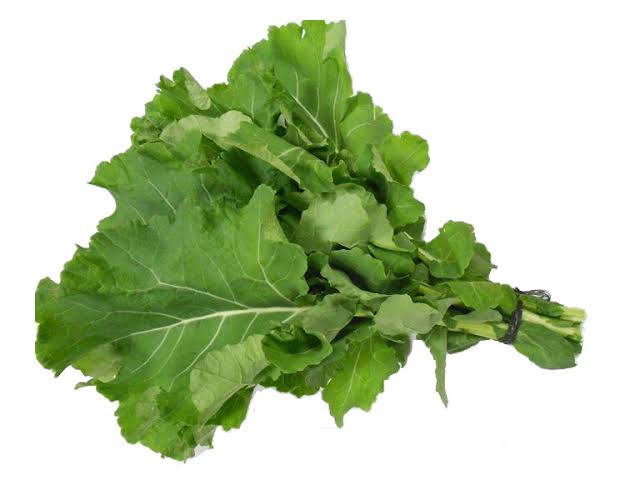
Why are rape prices falling to as low as K60/50Kg in Lusaka?

Breaking News Zambia
NewsVegetable rape farmers have raised concern over […]
Vegetable rape farmers have raised concern over the drastic drop in the price of rape on Zambian markets in August 2026, with growers warning that the current prices could undermine the viability of small-scale vegetable production.
A check on prices at Soweto Market by the Zambian Business Times – ZBT revealed that a 50kg bag of rape, which sometimes trades between K140 and K150, has now fallen to as low as K60 and at times rises to around K100.
The price decline comes despite Zambia recording annual food inflation of 6.4% in July 2026, down from 6.7% recorded in June 2026, according to data from the Zambia Statistics Agency (ZAMSTATS).
Speaking in an interview with Zambian Business Times – ZBT, agriculture expert, Simon Siame said the sharp decline is largely being driven by an oversupply of rape on the market.
“The main driver is that supply has outpaced demand and August is part of Zambia’s cool dry season when many small-scale farmers using irrigation and residual moisture bring their vegetables to market,” said Siame.
He said the situation has been worsened by the number of farmers harvesting at the same time, with produce from different provinces also reaching Lusaka markets.
“When 200 farmers bring rape to Soweto on the same day, prices will collapse to K60, K50 per bag just to move stock before it wilts,” said Siame.
However, he warned that while consumers may benefit from cheaper vegetables, farmers are being pushed towards losses because of the high cost of production, with a K60 selling price potentially failing to cover seed, fertiliser, chemicals, labour and transportation costs.
“A bag of basal fertilizer alone is over K700 so continued reduced prices could discourage farmers from planting in September and create shortages later in the year when hot weather increases production challenges,” said Siame.
Meanwhile, he told ZBT that the solution lies in better market information, urging institutions such as the National Association for Smallholder Farmers (NASFA) to provide regular price and supply information so farmers can stagger production and avoid flooding the market at the same time.
Article by Philip Sinkala, Philip is a Journalist & news analyst at the Zambian Business Times – ZBT





Community Feedback