The legal, emotional reality of lavender marriages in Zambia

Breaking News Zambia
NewsIf a person enters a lavender marriage only to later discover that their spouse deliberately concealed their sexual orientation, could that deception call into question the very validity of the marriage, and might it provide grounds under Zambian law to seek nullity or divorce? A lavender marriage is a union between a man and a […]
If a person enters a lavender marriage only to later discover that their spouse deliberately concealed their sexual orientation, could that deception call into question the very validity of the marriage, and might it provide grounds under Zambian law to seek nullity or divorce?
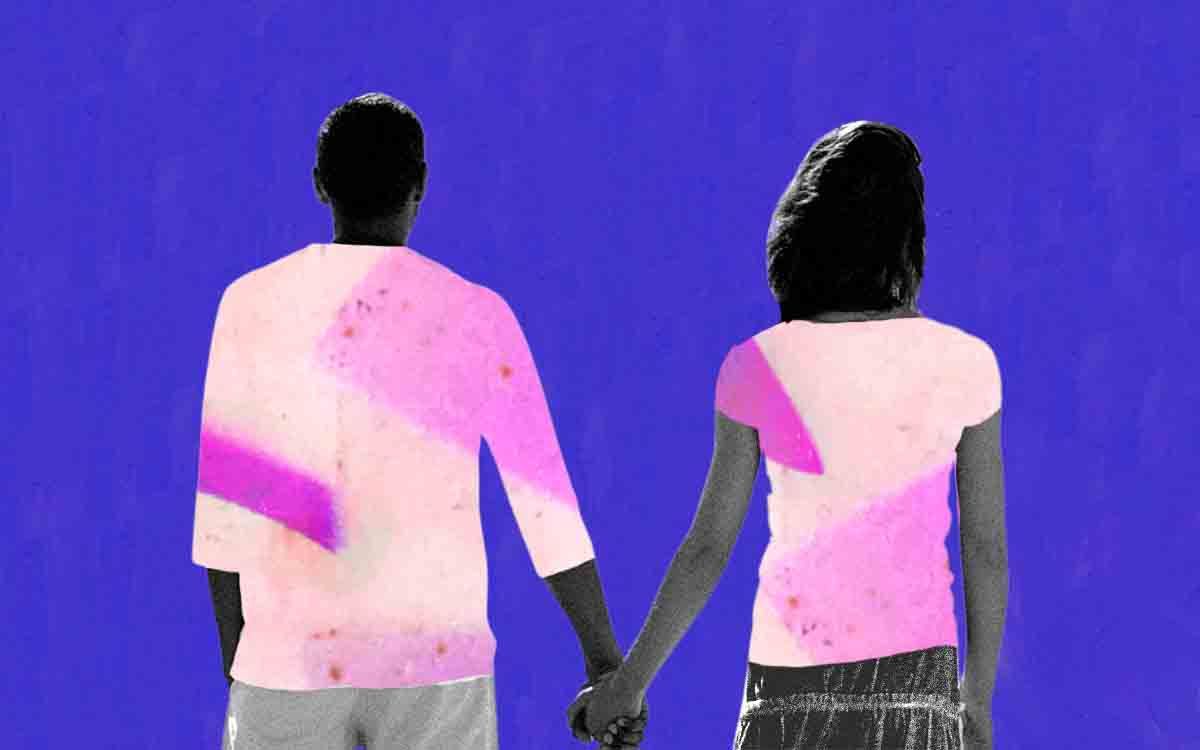
A lavender marriage is a union between a man and a woman, where one or both partners are LGBTQ+. It is formed to conceal their sexual orientation and escape social stigma, family pressure, or professional repercussions.
Common in early 20th-century Hollywood, these arrangements are still used today for companionship, shared financial benefits, or legal protection.
From a Zambian legal perspective, a lavender marriage would usually be treated as an ordinary marriage unless there was a legally relevant defect in consent, capacity, or disclosure that would support a claim for nullity or divorce.
Zambian marriage law recognizes marriages between a man and a woman, and the Matrimonial Causes Act allows a marriage to be challenged on specific grounds, such as nullity, where the legal requirements are not met.
Cultural norms in Zambia often emphasize marriage, children, and community reputation. Because of this pressure, lavender marriages have quietly become a survival strategy for some Zambians.
The stronger legal question is whether the concealment was tied to something that goes to the validity of consent, such as fraud, misrepresentation, lack of capacity, or an undisclosed fact that legally defeats the marriage relationship.
According to lawyer Pumulo Sitwala, concealing a sexual orientation, by itself, is not clearly listed as a standalone ground to invalidate a marriage in the materials she could verify.
“If the marriage was otherwise between a man and a woman and properly celebrated, the fact that one spouse was secretly gay or bisexual would not automatically make the marriage void under the materials reviewed,” she said.
“Zambia’s law is much clearer on same-sex unions themselves being outside recognition, but that is different from a mixed-sex marriage entered into while one spouse hides theirs.”
For many, entering a “marriage of convenience” feels like the only way to keep family ties, secure jobs, or avoid public shaming. In both urban areas like Lusaka and in rural communities, stories exist of individuals marrying to prove their respectability while living double lives.
Over time, this has normalized a culture of silence. The marriage looks normal on the outside, but inside it carries emotional distance, unspoken expectations, and constant fear of exposure.
She says that in Zambia, the safer view is that concealment of sexual orientation is not itself a statutory ground.
“Any relief would have to be sought through the existing Matrimonial Causes Act framework, especially nullity or divorce, depending on the facts,” she said.
“The concealment may be more useful as part of a divorce case than a nullity case. If the deception contributed to marital breakdown, refusal of marital relations, dishonesty serious enough to make cohabitation intolerable, or other conduct showing irretrievable breakdown, it could support a petition for divorce under the Matrimonial Causes Act framework.”
While some couples negotiate companionship and mutual respect, others struggle with loneliness, mental stress, and fractured relationships.
For Zambia, lavender marriages reveal a deeper conflict between cultural and religious expectations and personal truth. They show how traditions evolve under pressure — not always through open change, but through quiet adaptation behind closed doors.
In the end, lavender marriages force us to ask: Is a union that protects you from society worth the cost of hiding who you are? And as Zambia continues to debate identity, faith, and human rights, these hidden partnerships remind us that the search for acceptance often comes at a painful price.
But what psychological and emotional effects can a lavender marriage have on the individuals involved, especially where one or both partners are concealing their sexual orientation?
According to psychologist Racheal Chibvuri, human beings highly benefit from strong and genuine friendships and relationships, and marriage is no exception.
“For one to be found in a union built on something that is not true would be highly devastating, especially for the one not concealing the sexual orientation, if they did not know they were actually in this type of marriage. At discovery, it could lead to a number of mental health conditions like PTSD, anxiety disorder, depression, or even psychosis, as this discovery would be very traumatizing,” she said.
“Equally, the one trying to conceal their sexual orientation would also suffer anxiety, with fear of being discovered and of what life would be like if family and friends learnt the truth.”
Living under prolonged secrecy and pressure to maintain a lavender marriage can take a significant toll on a person’s mental and emotional health.
The constant need to conceal one’s true self and uphold a public image often leads to stress, fear of exposure, and emotional exhaustion.
Individuals trying to sustain a double life may experience panic attacks, anxiety, and depression as a result of pretending and suppressing their identity.




Community Feedback