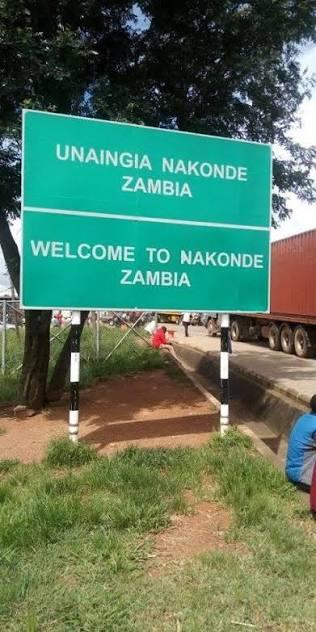
Nakonde accounts for 29% of imported general goods to Zambia in 2025

Breaking News Zambia
NewsAccording to the Zambia Compulsory Standards Agency […]
According to the Zambia Compulsory Standards Agency (ZCSA) 2025 Annual Report, Zambia cleared 98,131 import consignments of general goods through eight border offices in 2025, up from 68,297 consignments recorded in 2024.
A further check in the report by the Zambian Business Times – ZBT revealed that Nakonde accounted for 29% of the total consignments, translating to 28,946 shipments in 2025 compared to 20,880 recorded in 2024. The report also shows that ZCSA surpassed its 2025 target of clearing 72,000 general goods import consignments by 26,131 consignments.
Meanwhile, Ndola ranked second after recording 23,665 general goods import consignments in 2025, compared to 976 consignments recorded in 2024.
Speaking in an interview with Zambian Business Times – ZBT, economic expert, Enoch Hachibi said that Nakonde’s 29% share confirms the importance of the Dar es Salaam trade corridor to Zambia’s import market.
Hachibi indicated that the increase from 20,880 to 28,946 consignments shows growing movement of essential goods through Tanzania. “We can link the overall increase to expanded compulsory inspections and rising demand for goods to agriculture and infrastructure, and the 44% year-on-year increase reflects both stronger enforcement and increased economic activity,” he said.
However, Hachibi said Ndola’s rise to 23,665 could point to increased formalisation of Copperbelt and Democratic Republic of Congo-related trade. “Rapidly increasing imports could deepen Zambia’s dependence on foreign goods, particularly fuel and agricultural inputs, thereby exposing the economy to external price and foreign exchange shocks,” he said.
Hachibi further noted that the increased import data should instead be used as an opportunity to promote import substitution, arguing that Zambia should focus on producing more fertilizer, processed food and building materials locally so that some of the goods currently entering through its borders can eventually be replaced by “Made in Zambia” products.
By Philip Sinkala



Community Feedback