
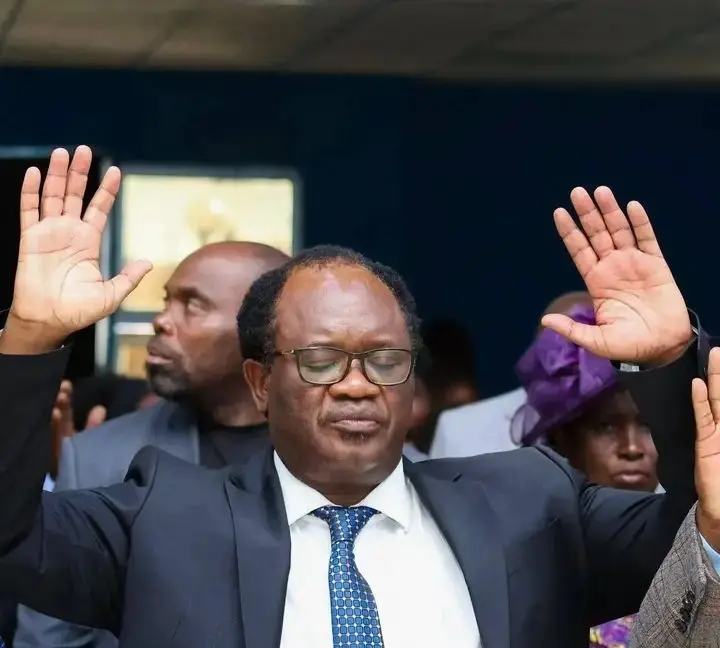
Mundubile: Energy, Momentum & the Credibility Gap

Breaking News Zambia
Music🇿🇲 THE CANDIDATE | Mundubile: Energy, Momentum & the Credibility Gap Brian Mundubile has emerged as the biggest political surprise of Zambia’s 2026 election campaign. Few expected the Tonse Alliance candidate to build momentum as quickly as he has. His rallies across the Copperbelt, Central, Eastern and Muchinga provinces have drawn sizeable crowds, fuelled by […]
🇿🇲 THE CANDIDATE | Mundubile: Energy, Momentum & the Credibility Gap
Brian Mundubile has emerged as the biggest political surprise of Zambia’s 2026 election campaign. Few expected the Tonse Alliance candidate to build momentum as quickly as he has. His rallies across the Copperbelt, Central, Eastern and Muchinga provinces have drawn sizeable crowds, fuelled by former Patriotic Front networks, popular musicians and a campaign style that relies heavily on direct engagement with supporters. Whatever one thinks of the Tonse Alliance, dismissing its mobilisation would be a political mistake.
Mr Mundubile is an energetic campaigner. He speaks rapidly, moves confidently across the stage and has developed an informal style that frequently refers to President Hakainde Hichilema as “my brother HH.” His speeches are delivered with conviction and often produce loud applause. It is a style designed to create momentum rather than policy discussion, and so far it has succeeded in keeping the opposition at the centre of the national conversation.
The challenge begins once the applause fades.
In less than two weeks on the campaign trail, Mr Mundubile has made an extraordinary range of commitments. They include cancelling student loans, increasing student meal allowances, introducing debt swaps for civil servants, raising miners’ salaries by 300 percent, creating dedicated banks for women and young people, establishing new ministries, expanding fertiliser support, providing heavy equipment to farmers and artisanal miners, redirecting the Zambia National Service into infrastructure development and accelerating the completion of stalled public projects.
Viewed individually, many of these proposals respond to genuine public concerns. Viewed collectively, they raise a more fundamental question: what fiscal framework binds them together?
That question has become sharper following Mr Mundubile’s remarks on foreign exchange reserves and inflation. While campaigning in Eastern Province, he argued that reserves matter little if citizens remain poor and suggested that his government would focus on improving livelihoods before celebrating macroeconomic indicators. The political message was clear. The economic explanation was not.
Foreign exchange reserves are not savings accumulated for political distribution. They are strategic assets held by the central bank to finance imports, support the exchange rate, reassure investors and protect the economy during periods of external stress. Zambia’s own experience with debt distress and currency instability illustrates why reserve adequacy matters. Criticising the pace at which macroeconomic gains reach households is a legitimate political argument. Suggesting that reserves themselves are of little value enters far more uncertain territory.
History also invites legitimate scrutiny.
Mr Mundubile served in the Patriotic Front administration during the period when Zambia accumulated unsustainable debt, defaulted on its external obligations and entered one of Africa’s most complex sovereign debt restructurings. This record does not automatically disqualify him from seeking higher office. It does, however, place a greater burden on him to explain how his economic philosophy differs from the one under which he previously served. Thus far, that explanation has remained incomplete.
The same pattern appears elsewhere in the campaign. In Petauke, Mr Mundubile suggested that former Member of Parliament Jay Jay Banda had already built dozens of health posts and that a Tonse government would complete them. In Mpika, he promised dedicated banks for women and young people but offered few details on how such institutions would be established, capitalised or regulated. At successive rallies, ambitious announcements have arrived faster than the policy architecture needed to support them
Politics rewards optimism. Government rewards preparation.
There is no doubt that Mr Mundubile has injected energy into the opposition. He has given former PF supporters a new political vehicle and forced the ruling party to respond more directly than many expected at the beginning of the campaign. Those are significant political achievements.
The presidency, however, is not won on momentum alone. It is an office that demands mastery of public finance, constitutional governance, economic management and institutional leadership. Campaigns invite candidates to inspire. Elections also require them to convince.
Mr Mundubile has demonstrated that he can command attention. The remaining weeks of the campaign will test whether he can also command competence.
📶 The Candidate is The People’s Brief’s election accountability series examining the record, proposals, communication and governing readiness of every major presidential candidate.
© The People’s Brief | Editors
Community Feedback