Kabimba Rules Out Run-Off, Cites UPND’s Nationwide Structure

Breaking News Zambia
News🇿🇲 BRIEFING | Kabimba Rules Out Run-Off, Cites UPND’s Nationwide Structure Economic Front president and UPND Alliance member Wynter Kabimba has dismissed suggestions that Zambia’s August 13 general election will proceed to a presidential run-off, arguing that the opposition Tonse Alliance lacks the organisational depth required to force a second round of voting. Speaking to […]
BRIEFING | Kabimba Rules Out Run-Off, Cites UPND’s Nationwide Structure
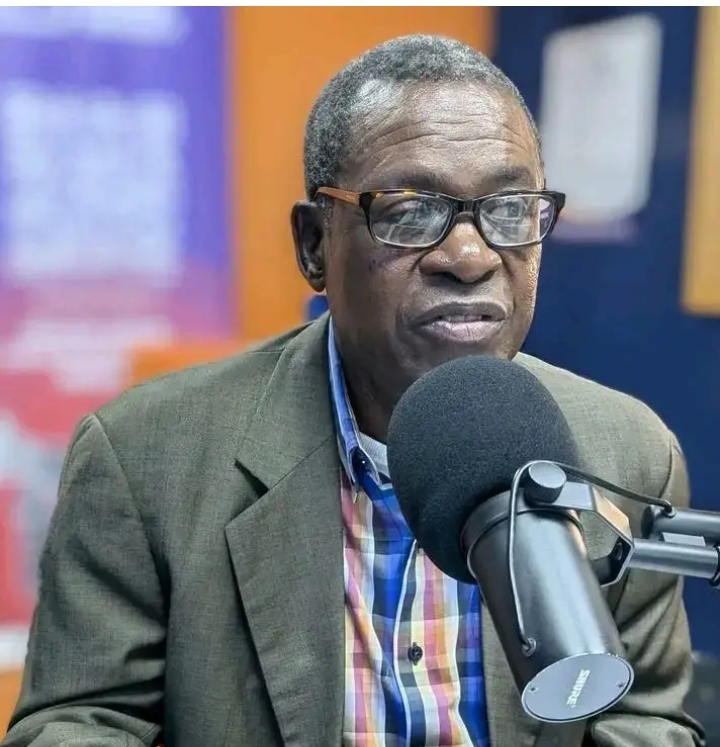
Economic Front president and UPND Alliance member Wynter Kabimba has dismissed suggestions that Zambia’s August 13 general election will proceed to a presidential run-off, arguing that the opposition Tonse Alliance lacks the organisational depth required to force a second round of voting.
Speaking to Phoenix News, Mr Kabimba said the alliance’s challenge extends beyond campaign messaging to electoral organisation. According to him, the Tonse Alliance has fielded only 154 parliamentary candidates out of 226 constituencies and has also failed to contest a significant number of mayoral, council chairperson and ward elections across the country.
Mr Kabimba further argued that the UPND entered the campaign with an organisational advantage after already securing seven parliamentary seats and six local authority chairperson positions unopposed before polling day. He said such outcomes reflected the governing party’s nationwide presence and provided an early electoral cushion heading into the final stretch of the campaign.
His remarks come as political debate increasingly shifts from rallies to campaign structures. While public attention has largely focused on crowd sizes and social media activity, election strategists continue to emphasise the importance of constituency networks, polling agents, ward mobilisation and local candidates in converting campaign support into votes on election day.
The issue has gained prominence following the expansion of Zambia’s electoral map, which increased the number of constituencies and local government positions. The larger electoral footprint has also raised the financial and logistical demands of running a national campaign, requiring political parties to deploy candidates and campaign teams across hundreds of electoral boundaries simultaneously.
Whether those structural differences will ultimately determine the presidential outcome remains to be seen. Under Zambia’s Constitution, a presidential candidate must secure more than 50 percent of valid votes cast to win outright.
If no candidate reaches that threshold, the election proceeds to a run-off between the top two candidates
With just days remaining before polling, the contest is increasingly being fought on two fronts: the visible campaign of rallies and public meetings, and the less visible campaign of organisation, logistics and election-day mobilisation. It is this second contest that Mr Kabimba believes will prove decisive.
© The People’s Brief | Francine Lilu





Community Feedback